Markets are entering the second half of the year with a different question than they started with. Instead of chasing the next rally, investors are reassessing where capital belongs.
Stay Updated
Follow us on Telegram to be notified whenever a new digest drops.
[Follow MEXC on Telegram]{https://t.me/MEXC_OfficialAnnouncements}
New and Noteworthy
More Stocks, More Stories: Four new U.S. Stock Futures—RIOT, ARWR, WAB, and NVD—have landed on MEXC with 0 trading fees. Whether you're betting on Bitcoin miners, biotech breakthroughs, or industrial giants, there's another ticker to watch this earnings season.
Meet the New AI INU: AI may be changing the world, but meme coins aren't giving up the spotlight just yet—trade the latest AI-themed token before everyone else catches on.
Fresh from Ondo: NETON, MXLON, AGON, and GFSON are now live on Spot. New tokens, fresh narratives, and one more excuse to update your watchlist.
[Get Early Access]{https://www.mexc.com/announcements/new-listings}
Five Things You Need to Know
The ECB did... nothing, on purpose. Rates held steady, deposit rate still sitting at 2.25%. Not because policymakers are stuck—because they'd rather wait and see what energy prices do to inflation before committing to anything. Boring meeting. The interesting part comes in autumn, when the data either gives them cover to move or doesn't.
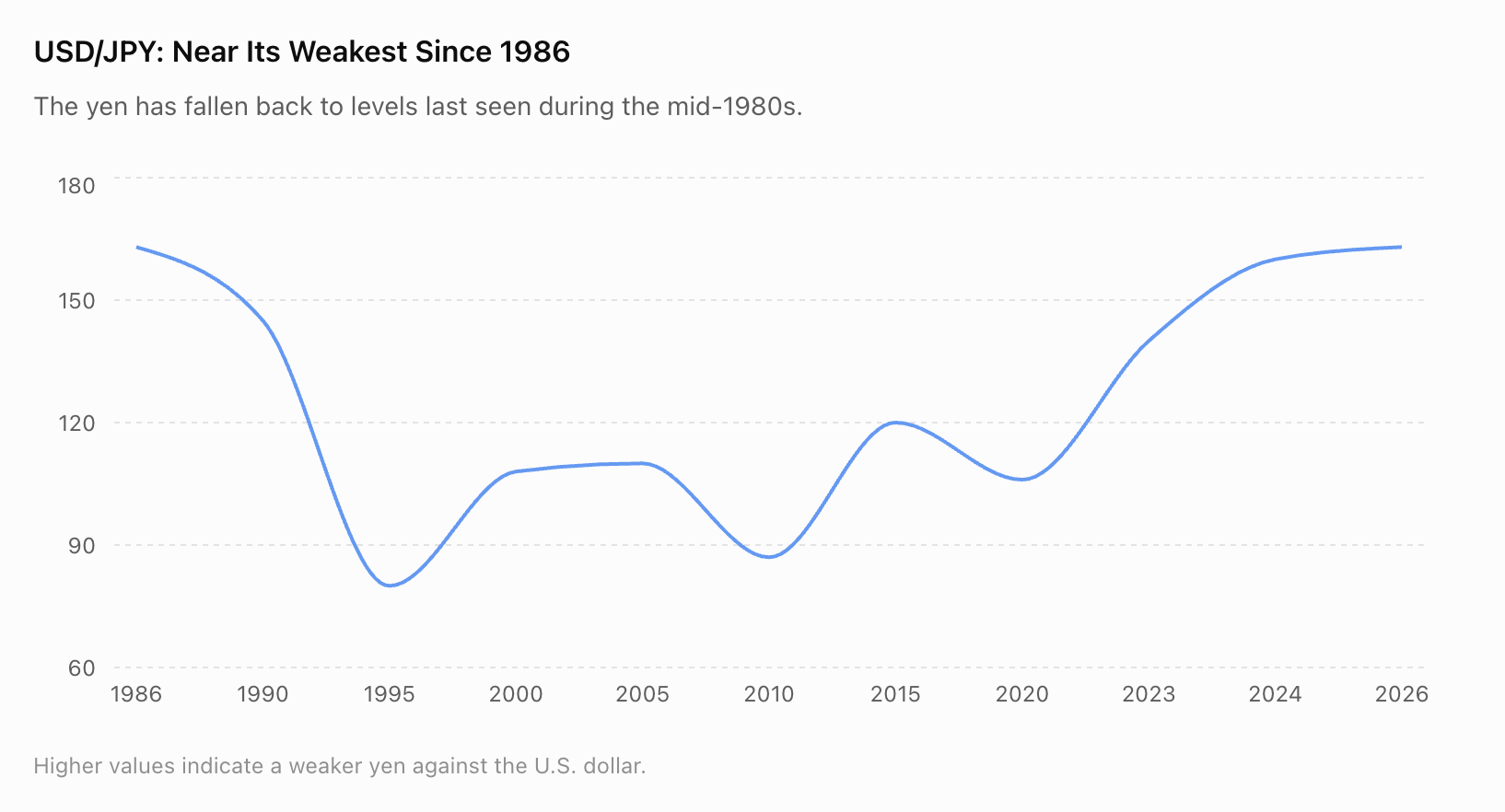
The yen just hit a level it hasn't seen since 1986. ¥163 to the dollar. We're talking Reagan-era weak. The "is the BOJ finally going to step in" rumor mill is spinning again, and for good reason—a yen this weak makes everything Japan imports more expensive, which is exactly the kind of inflation headache a central bank doesn't want while it's trying to gently unwind decades of ultra-loose policy.
Wall Street stopped taking AI spending on faith. Alphabet and Tesla headline earnings this week, and revenue isn't the number everyone's watching anymore. The real question is whether the AI spending spree can keep going without quietly wrecking cash flow, and that's not a hypothetical anymore. Both companies posted negative free cash flow as AI infrastructure spending kept accelerating, which is reviving a much bigger question: how exactly are hyperscalers planning to fund hundreds of billions more in capex from here? A year ago, investors basically wrote AI spending a blank check. This earnings season, they want to know when that spending starts paying them back.
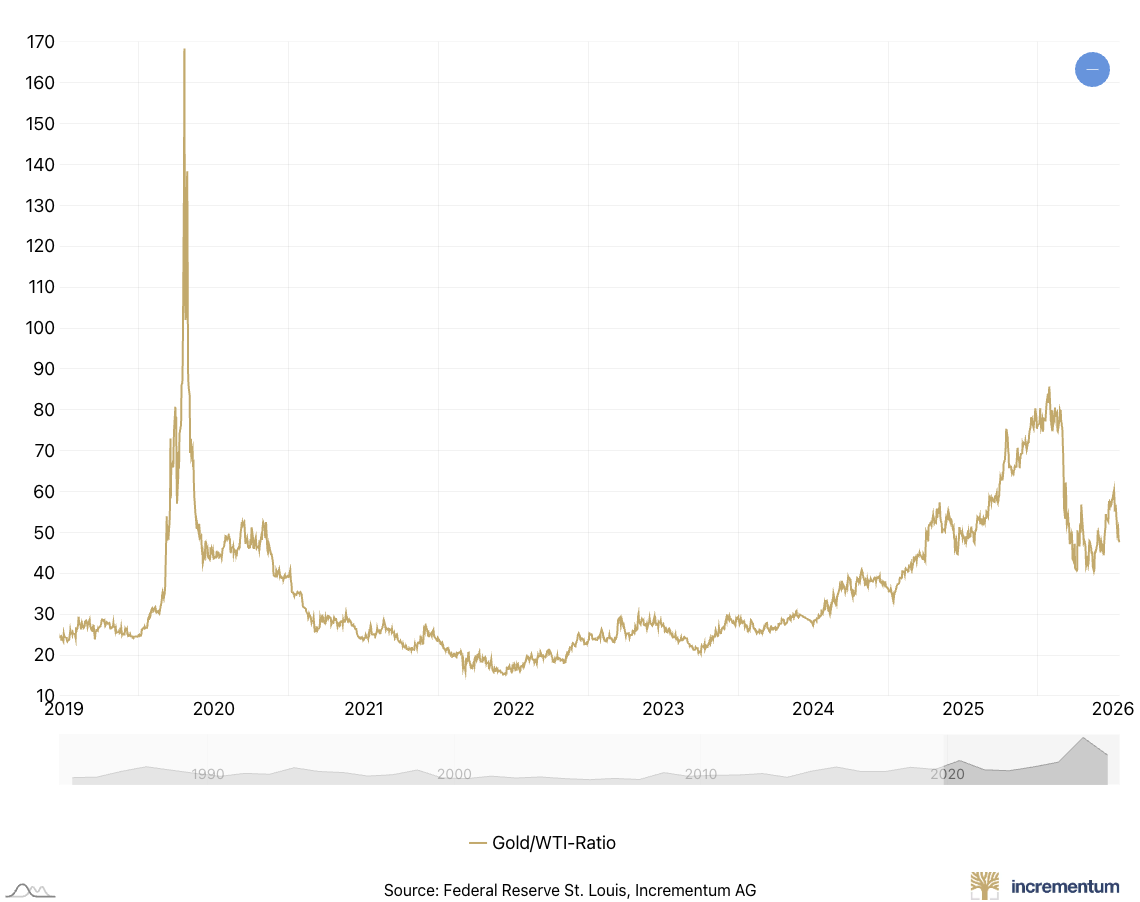
Oil is rising. Gold is cooling. At first glance, oil and gold appear to be moving in opposite directions. Oil's up on supply-disruption fears, adding fresh inflation pressure. Gold's just catching its breath after last year's monster run. That shouldn't necessarily be mistaken for weakening demand. Higher Treasury yields have reduced the appeal of non-yielding assets in the short term, while structural buyers—including central banks and, increasingly, stablecoin issuer Tether—continue accumulating physical gold. The result is a market adjusting to new interest-rate expectations rather than abandoning its long-term bullish thesis.
And safe assets are competing again. The 30-year yield has held above 5% for a while now, and "risk-free and pays well" is a pitch investors haven't heard in years. Combine that with heavier government borrowing and you get sustained upward pressure on long yields—which raises the bar for every growth stock, especially the AI names, to justify their price tags.
Unpopular Opinion
Quantum is back in crypto X's rotation, this time because Strategy, BlackRock, Coinbase and six other founding members just put $15 million behind quantum-proofing Bitcoin over the next three years. And honestly, the takeaway isn't "panic now." It's "someone finally started the stopwatch."
A survey covering 400+ studies in Computer Science Review made a point worth remembering: quantum computers probably won't "break" Bitcoin in some dramatic overnight event. The real risk is the industry dragging its feet on a fix that takes way longer to roll out than anyone expects.
Not everything's equally at risk, either. The blockchain itself—the hash functions securing the ledger—holds up fine against quantum attacks. Think of it like a vault with genuinely solid walls.
It's the key to the vault that's the problem. Wallets rely on digital signatures to prove who owns what, and a sufficiently powerful quantum computer could theoretically fake one, basically impersonating you and moving your assets without permission. Smart contracts have the same soft spot by association: the code isn't the issue, but if the wallets or oracles underneath aren't quantum-safe, nothing built on top of them is either.
Here's the good news: nobody has to invent anything. Quantum-resistant cryptography already exists. The hard part is getting it onto every wallet, exchange, custodian, and hardware device on Earth without breaking the system while people are still using it.
Which is why this move actually makes sense. It's an acknowledgment that the rollout itself is the slow, painful part—and slow, painful things need a head start. Everyone keeps asking when quantum computers will actually be powerful enough to matter. Wrong question. The real one is whether crypto will be ready by the time they are.
One Surprising Number
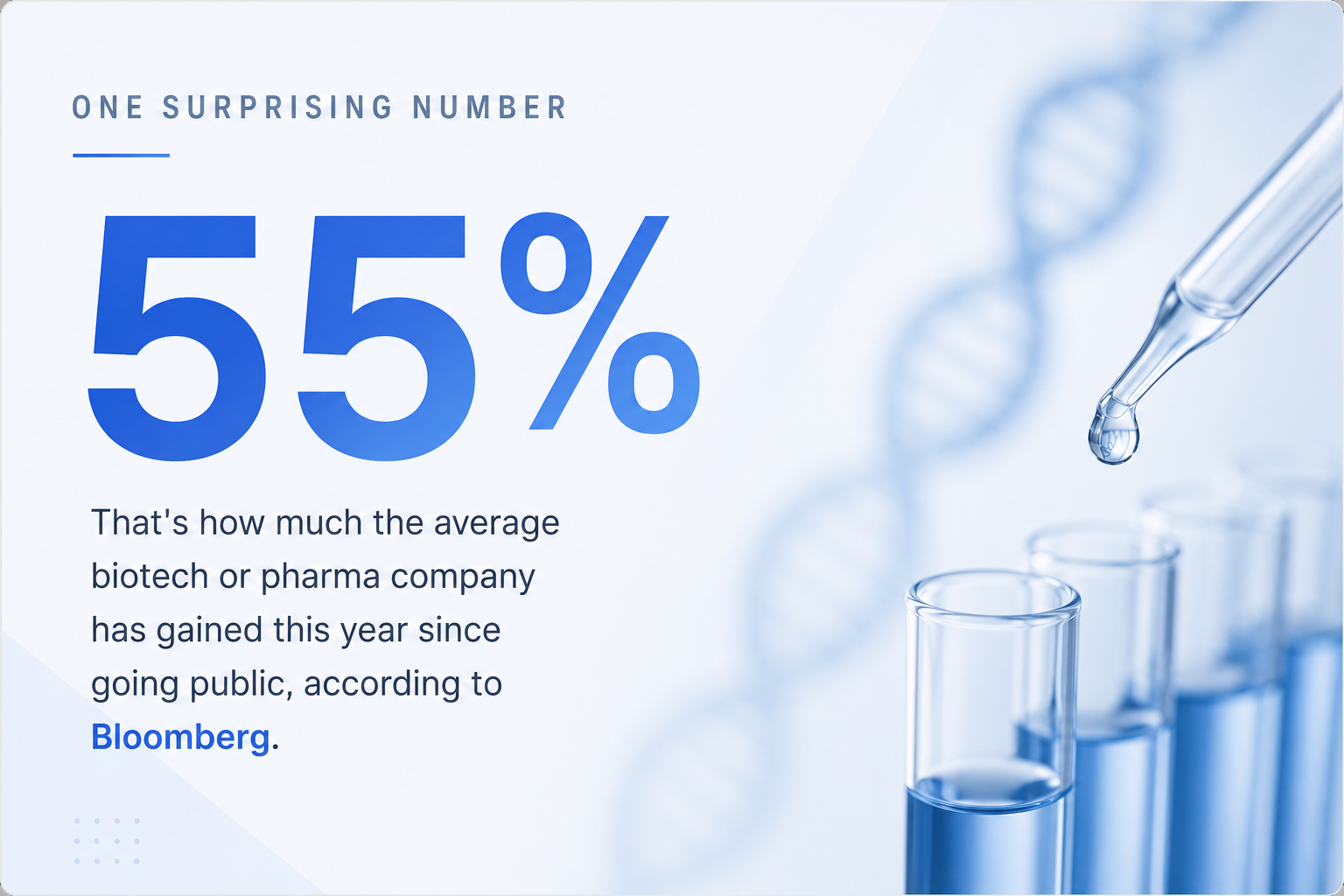
That's how much the average biotech or pharma company has gained this year since going public, according to Bloomberg. Not AI. Not semis.
Worth remembering next time it feels like every dollar in the market is chasing the same handful of AI names. It isn't.
Before You Go
Still hyped from the World Cup predictions? Keep the adrenaline going with Up/Down Crypto Events on Prediction Markets. Join the Up/Down Crypto Events Carnival Week and compete for a share of the $1 million prize pool.
[Predict Now]{https://www.mexc.com/campaigns/CryptoEventsCarnivalWeek?utm_source=mexc&utm_medium=ann}