

Ripple CTO Emeritus Details XRP’s Expanding Enterprise Use Cases
David Schwartz, the former Chief Technology Officer of Ripple, recently took part in a short video series called “$XRP in one minute,” where blockchain leaders answer pressing questions in 60 seconds or less.
In this particular episode, Schwartz explained how the utility of XRP has transformed over time. It started as a simple alternative to Bitcoin, but now it is seen as the foundation for tokenizing real-world assets.
Schwartz noted that Bitcoin laid the groundwork with a public blockchain where people could hold and transfer the digital currency. The XRP Ledger (XRPL) came next. It offered both a native digital asset, similar to Bitcoin, but also allowed for issued assets. These issued assets could represent things like stablecoins or any type of tokenized asset.
Enterprises and Real-World Assets
Today, the story has shifted. Companies are actively using the XRP Ledger to create tokenized real-world assets. Schwartz thinks this is just the beginning. In the near future, he expects to see tokenized securities, money market funds, and even tokenized stocks becoming common.
The conversation didn’t stop there. Schwartz also highlighted upcoming features like tokenized repos and tokenized loans. He believes that as enterprises roll out these services, they will build the necessary infrastructure to attract regular, everyday users.
This is where DeFi, or decentralized finance, plays its part. Schwartz suggested that once enterprise adoption reaches a certain point, DeFi on the XRP Ledger could actually fulfill its promise of replacing traditional finance, or TradFi. The goal is to provide financial services that everyone can access.
A Milestone Anniversary for XRP
This week, XRP marked a significant milestone. Fourteen years ago, on June 2, Arthur Britto wrote the code that created the 100 billion XRP tokens, which were originally called XNS.
There is also movement on the technical side. The XRP Ledger’s EVM Sidechain went live, and it now works with the Ripple USD (RLUSD) stablecoin. This is a key part of RLUSD’s plan to expand across multiple blockchains. The expansion is powered by Wormhole’s NTT standard, which allows RLUSD to move natively between different networks.
It seems like the XRP ecosystem is quietly evolving beyond simple payments into a more complex platform for digital assets. Whether that leads to mass retail adoption remains to be seen, but Schwartz appears confident about the direction.
The post Ripple CTO Emeritus Details XRP’s Expanding Enterprise Use Cases appeared first on TheCryptoUpdates.


You May Also Like
Bitcoin ETFs Rout Extends To June With $1.72 Billion Net Outflows In First Week

Crypto Just Had Its Worst Week in Years — Is it a Buying Opportunity?
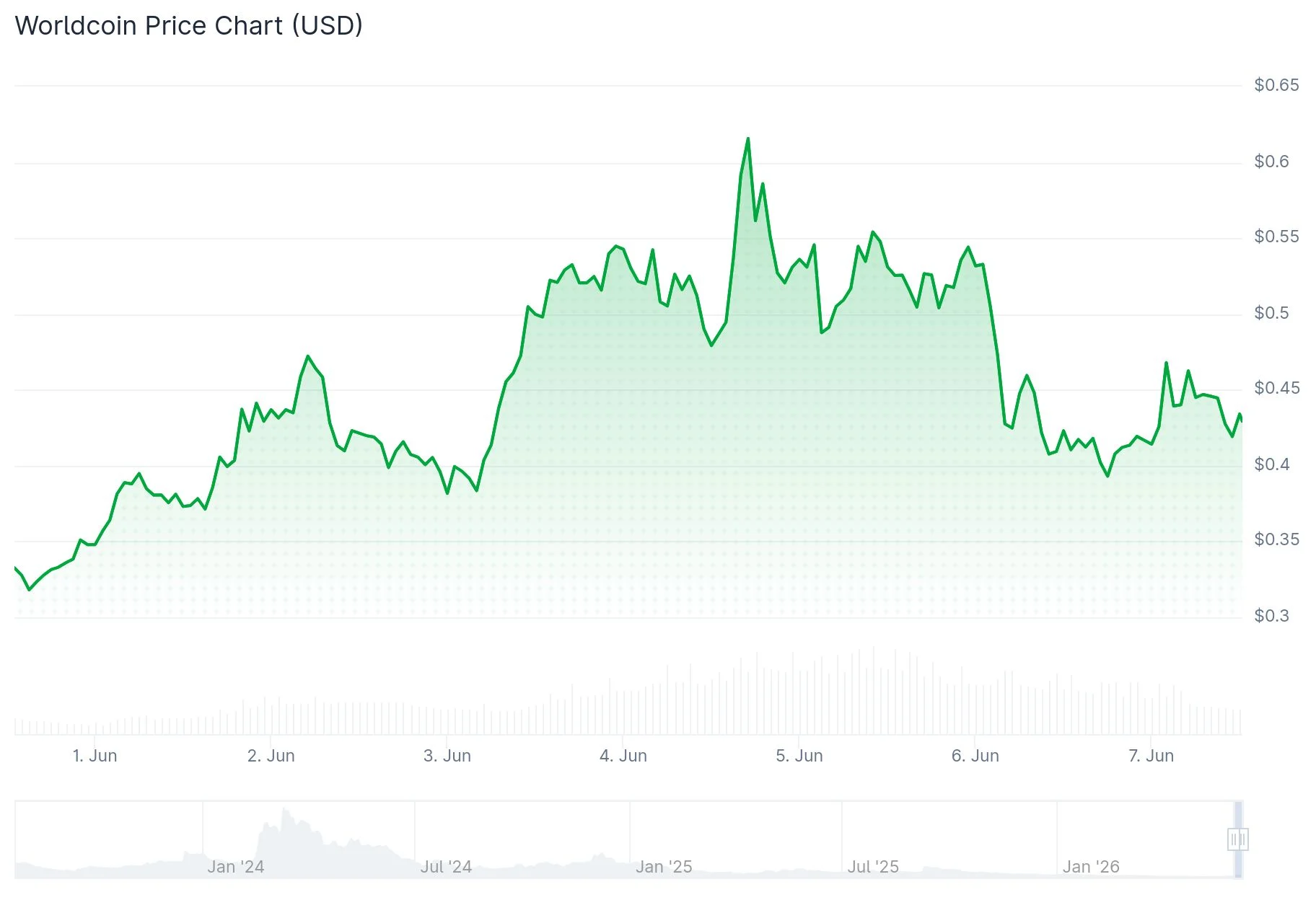
Worldcoin (WLD) Crashes 28% After Arthur Hayes Exits Entire Position



