

How President Tinubu’s big tech probe could reshape AI, copyright and digital policy in Nigeria
Nigerian President Bola Tinubu has directed the Federal Competition and Consumer Protection Commission (FCCPC) to investigate how Meta, Alphabet, X, and generative AI companies operate in Nigeria. This follows a joint petition by the Nigerian Press Organisation alleging anti-competitive practices and the unlawful exploitation of local news content.
The directive, communicated to the FCCPC today through a letter signed by Information Minister Alhaji Mohammed Idris, marks the first time Nigeria’s federal government has formally mobilised its competition regulator against global technology platforms on behalf of local media.
The NPO, which comprises the Newspaper Proprietors’ Association of Nigeria, the Nigeria Union of Journalists, the Broadcasting Organisations of Nigeria, and the Guild of Corporate Online Publishers, had submitted a joint petition to the Presidency raising concerns about practices they say are undermining the sustainability of Nigeria’s news ecosystem.
FCCPC Executive Vice Chairman Tunji Bello confirmed the investigation in a statement, stressing that no party was being presumed guilty.
“This inquiry is not directed at any entity by presumption of wrongdoing,” he said. “Rather, it is an opportunity to carefully examine the facts, hear from all affected parties, and determine whether any conduct has resulted in anti-competitive outcomes or unfair business practices.”
 FCCPC’s Executive Vice Chairman, Tunji Bello
What the FCCPC is really investigating
The investigation has three specific areas of focus, each of which carries significant implications for how global technology platforms operate in Nigeria.
- The main concern is whether the large platforms are using their size to eliminate competition, limit access, or make it hard for local businesses to compete fairly.
- The second is the unauthorised extraction, scraping, ingestion, or commercial use of copyrighted Nigerian news articles, broadcast materials, and original journalistic content for the development and training of generative AI models. These companies have been accused of using large amounts of text taken from the internet, like news articles and journalistic work, without permission or compensation.
Nigerian publishers are now formally claiming that their content was included in this process without their consent. This issue is particularly significant as it highlights the exploitation of creators’ work in developing generative AI models. - The third is the lack of equitable commercial engagement between global tech companies and Nigerian news publishers. The allegation is that affected media organisations have been denied meaningful opportunities to negotiate fair compensation or appropriate commercial arrangements for the use of their content.
These areas highlight one of the most contentious debates in global media and technology policy: who owns the value created by journalism, and whether platforms that benefit from this value owe anything to the organisations that produce it.
Why this matters and what South Africa, Australia got right
Nigeria is not the first country to have this fight, and the precedents set elsewhere are instructive.
In Australia, the government passed the News Media Bargaining Code in 2021, which gave news organisations the legal leverage to negotiate payment from digital platforms, or trigger mandatory arbitration if no deal could be reached. Google and Meta initially threatened to exit the Australian market rather than comply. Both eventually stayed and signed commercial deals with Australian publishers.
In South Africa, a similar process unfolded through the South African Competition Commission.
Following an investigation and sustained pressure from local media organisations, Google agreed to compensate South African news publishers R688 million, approximately $40 million, annually for three to five years. The FCCPC’s statement specifically referenced the South African outcome, signalling that Nigeria is watching that model closely.
The FCCPC is already not new to taking on Meta.
In 2025, the commission won a landmark case against the company for violations of the Federal Competition and Consumer Protection Act 2018, including data breach violations, resulting in a $220 million fine. Meta has appealed the fine, but the case demonstrated that Nigerian regulators are willing to pursue major outcomes against global technology companies and are capable of winning them.
 Artificial intelligence
What this signals for AI companies and the digital economy
The integration of generative AI platforms in the investigation is the most innovative aspect of this directive, and it has the greatest potential.
AI companies have created some of the most valuable products in history using data collected from the internet. This data often includes journalism, commentary, and analysis from media organisations in Nigeria and around the world. There are important legal and ethical questions about whether this use of data is theft of intellectual property.
Many people are debating whether publishers should be paid or at least allowed to opt out. These issues are currently being discussed in courts and legislatures in the United States, Europe, and now Africa.
Nigeria’s involvement in this discussion is important not only within its own borders but also as a message to the rest of the continent.
If the FCCPC investigation results in a regulatory framework that requires AI companies to negotiate with or compensate local publishers, even in a modest way, it could serve as a model for other African countries to follow.
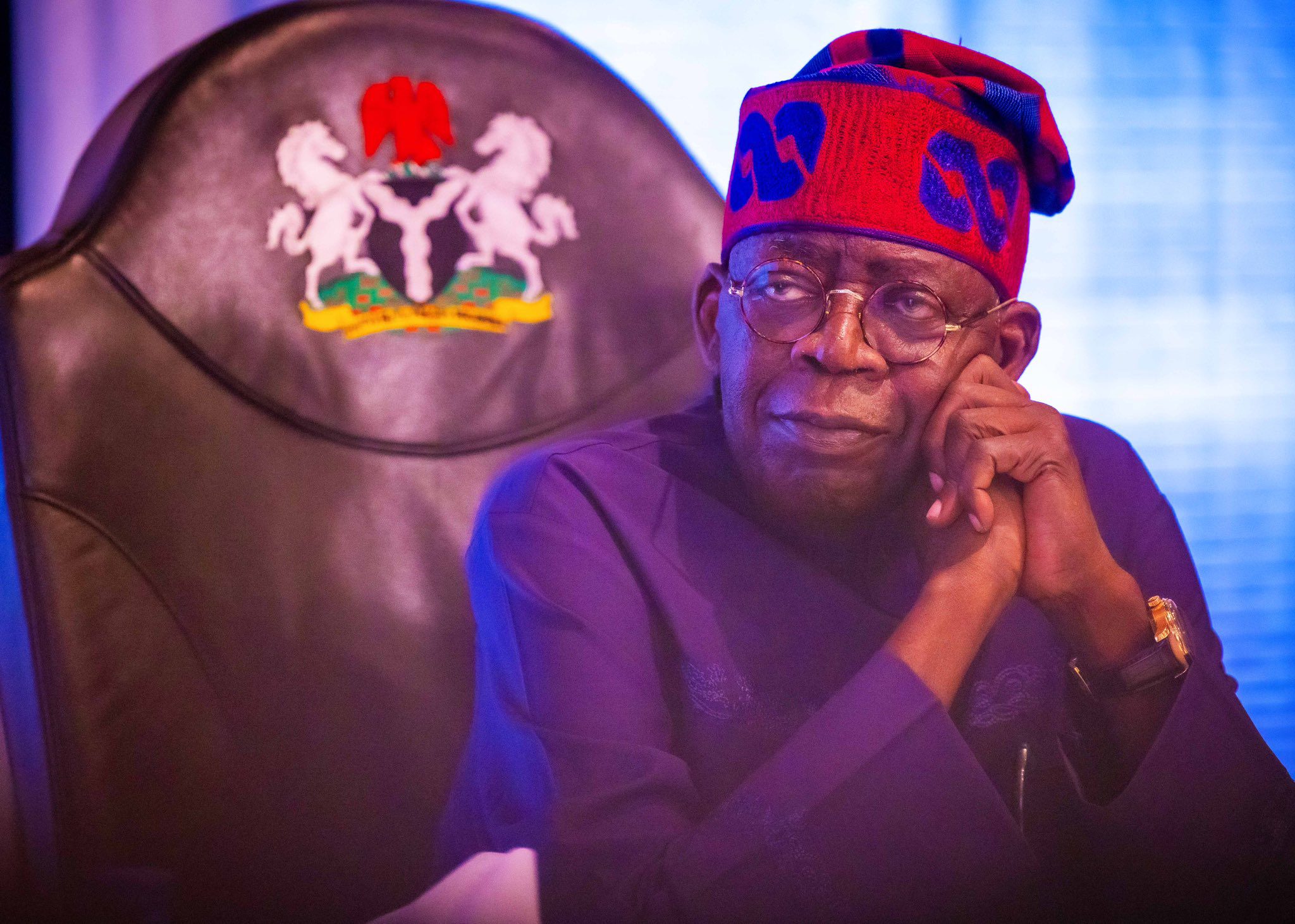 President Bola Ahmed Tinubu
Additionally, it would provide Nigerian media organizations with a revenue opportunity that currently doesn’t exist: a formal right to share in the commercial value generated by their content.
For startups and the larger Nigerian digital economy, the effects can be both positive and negative. Better accountability from platforms and fairer deals for content creators could help strengthen the media ecosystem that supports a healthy information environment.
However, if regulations are too broad or if smaller Nigerian AI startups are treated like huge US companies, it could place unfair burdens on local innovators who are already facing challenges.
Read also: FCCPC denies approving 48 new loan apps, cites court-ordered freeze


You May Also Like

Elon Musk trial on track as Washington securities case

Novartis’ $1.5B ADC Acquisition Highlights Growing Pharma Demand, Benefiting VERAXA Biotech

One Altcoin Is Allegedly Being Manipulated—It Has Been Falling Sharply for Three Days



