The post Thailand tightens ID checks; Bangladesh boosts data security appeared on BitcoinEthereumNews.com. Homepage > News > Business > Thailand tightens ID checks; Bangladesh boosts data security Thai authorities have signaled their intention to stifle the operations of bad actors using online platforms and mobile networks to defraud unsuspecting users, unveiling new ID verification systems. Digital Economy and Society Minister Chaichanok Chidchob hosted government agencies and private sector operators for a policy meeting to protect consumers. The high-level meeting included representatives from Google (NASDAQ: GOOGL), TikTok, and Line, with the discussions focusing on closing loopholes used by scam syndicates. The National Broadcasting and Telecommunications Commission (NBTC) received the green light to limit SIM card ownership to under five mobile numbers. The NBTC Board will review and roll out guidelines for the new SIM cap aimed at eliminating “ghost SIMS.” Apart from issuing a cap, the ministry has ordered stringent controls on SIM registrations nationwide, with only authorized distributors given the liberty to onboard new users. Under the new guidelines, the authorized distributors are required to use Dip Chip identity verification, while users in high-risk areas along the borders will be given enhanced monitoring. Furthermore, only the Department of Provincial Administration at the Interior Ministry will have the authority to issue “Survival SIMs” with global coverage and multi-network roaming. Plans to roll out guidelines for compensating scam victims and accelerating legal action against bad actors are also underway. The minister noted that local regulations and policies will not be a silver bullet against rising scam incidents, emphasizing the need for international cooperation. Chidchob disclosed that Thailand is inching toward joining the United Nations Convention against Cybercrime (UNCC), signed by nearly 75 countries in October. Social media platforms face scrutiny Meanwhile, Chidchob urged global digital platforms like Facebook and TikTok to adopt a tougher stance on scam syndicates operating on their services. He reiterated the… The post Thailand tightens ID checks; Bangladesh boosts data security appeared on BitcoinEthereumNews.com. Homepage > News > Business > Thailand tightens ID checks; Bangladesh boosts data security Thai authorities have signaled their intention to stifle the operations of bad actors using online platforms and mobile networks to defraud unsuspecting users, unveiling new ID verification systems. Digital Economy and Society Minister Chaichanok Chidchob hosted government agencies and private sector operators for a policy meeting to protect consumers. The high-level meeting included representatives from Google (NASDAQ: GOOGL), TikTok, and Line, with the discussions focusing on closing loopholes used by scam syndicates. The National Broadcasting and Telecommunications Commission (NBTC) received the green light to limit SIM card ownership to under five mobile numbers. The NBTC Board will review and roll out guidelines for the new SIM cap aimed at eliminating “ghost SIMS.” Apart from issuing a cap, the ministry has ordered stringent controls on SIM registrations nationwide, with only authorized distributors given the liberty to onboard new users. Under the new guidelines, the authorized distributors are required to use Dip Chip identity verification, while users in high-risk areas along the borders will be given enhanced monitoring. Furthermore, only the Department of Provincial Administration at the Interior Ministry will have the authority to issue “Survival SIMs” with global coverage and multi-network roaming. Plans to roll out guidelines for compensating scam victims and accelerating legal action against bad actors are also underway. The minister noted that local regulations and policies will not be a silver bullet against rising scam incidents, emphasizing the need for international cooperation. Chidchob disclosed that Thailand is inching toward joining the United Nations Convention against Cybercrime (UNCC), signed by nearly 75 countries in October. Social media platforms face scrutiny Meanwhile, Chidchob urged global digital platforms like Facebook and TikTok to adopt a tougher stance on scam syndicates operating on their services. He reiterated the…

Thailand tightens ID checks; Bangladesh boosts data security

Thai authorities have signaled their intention to stifle the operations of bad actors using online platforms and mobile networks to defraud unsuspecting users, unveiling new ID verification systems.

Digital Economy and Society Minister Chaichanok Chidchob hosted government agencies and private sector operators for a policy meeting to protect consumers. The high-level meeting included representatives from Google (NASDAQ: GOOGL), TikTok, and Line, with the discussions focusing on closing loopholes used by scam syndicates.

The National Broadcasting and Telecommunications Commission (NBTC) received the green light to limit SIM card ownership to under five mobile numbers. The NBTC Board will review and roll out guidelines for the new SIM cap aimed at eliminating “ghost SIMS.”

Apart from issuing a cap, the ministry has ordered stringent controls on SIM registrations nationwide, with only authorized distributors given the liberty to onboard new users. Under the new guidelines, the authorized distributors are required to use Dip Chip identity verification, while users in high-risk areas along the borders will be given enhanced monitoring.

Furthermore, only the Department of Provincial Administration at the Interior Ministry will have the authority to issue “Survival SIMs” with global coverage and multi-network roaming. Plans to roll out guidelines for compensating scam victims and accelerating legal action against bad actors are also underway.

The minister noted that local regulations and policies will not be a silver bullet against rising scam incidents, emphasizing the need for international cooperation. Chidchob disclosed that Thailand is inching toward joining the United Nations Convention against Cybercrime (UNCC), signed by nearly 75 countries in October.

Social media platforms face scrutiny

Meanwhile, Chidchob urged global digital platforms like Facebook and TikTok to adopt a tougher stance on scam syndicates operating on their services. He reiterated the need for an upgrade in user identification on the platform, pushing for real-name checks and face biometrics.

“Global platforms must play a stronger role in protecting Thai users – not just by providing services, but by sharing responsibility for preventing cybercrime,” said Chidchob.

Furthermore, he made a case for global platforms to verify the identities of advertisers to reduce scam incidents. Previously, Thailand had threatened to ban Facebook over rising scam cases in the country amid rebuttals by platform operators over “legally sensitive data requests.”

Bangladesh steps up digital defenses

Elsewhere, Bangladeshi authorities have unveiled new rules to protect the personal data of citizens in line with global standards ahead of plans for mainstream digitization.

The Bangladesh Council of Advisers has greenlit the Personal Data Protection Ordinance 2025 into operation, designed to improve the privacy, security, and ownership of personal data for citizens. Furthermore, the council gave its approval for the National Data Governance Ordinance 2025, with both regulatory playbooks receiving accelerated hearings.

A community reading of the Personal Data Protection Ordinance recognizes citizens as the rightful owners of their personal data. The regulation mandates that digital service providers obtain the express consent of citizens before collecting, storing, or transferring personal data.

Furthermore, citizens reserve the right to correct and delete access to their personal data while limiting automated decisions based on their data. The new rule makes special provision for sensitive data like health and financial information, with parental consent required for handling data belonging to minors.

Meanwhile, the National Data Governance Ordinance is considered Bangladesh’s foremost attempt to establish a data management authority. Under the regulation, a national data management authority will be in charge of rolling out data handling policies, ensuring compliance, and managing disputes.

The new body will confirm accountability between data processors and custodians while handling the additional responsibility of maintaining a National Source Code Repository. Both regulations make provision for administrative penalties and fines for violations of their provisions.

A bird’s-eye view indicates a similarity in Bangladesh’s data protection laws and the European Union’s GDPR and India’s Digital Personal Protection Act. Despite striving to align with global standards, the new rules take into account local nuance and the socio-legal context of Bangladesh.

The rules come amid plans by authorities to float a National Responsible Data Exchange (NRDEX), a platform designed to streamline data sharing between government agencies and enterprises. Meanwhile, the new data handling rules will play a key role in Bangladesh’s incoming digital ID system.

The slow and steady grind to digitization

Amid the push for data protection, Bangladesh has made impressive strides toward digitization, embracing artificial intelligence (AI) and blockchain. To deepen the local talent pool for emerging technologies, Bangladesh invested $208 million in training initiatives, sending promising university graduates abroad for upskilling.

The government has since turned its gaze to central bank digital currencies (CBDCs) to stifle the rise of private digital currencies. With AI, global organizations are keen on assisting Bangladesh in drafting watertight regulations for the emerging sector to protect consumers.

Watch: Blockchain could revolutionize cybersecurity

frameborder=”0″ allow=”accelerometer; autoplay; clipboard-write; encrypted-media; gyroscope; picture-in-picture; web-share” referrerpolicy=”strict-origin-when-cross-origin” allowfullscreen>

Source: https://coingeek.com/thailand-tightens-id-checks-bangladesh-boosts-data-security/

Market Opportunity
SPACE ID Logo
SPACE ID Price(ID)
$0.05858
$0.05858$0.05858
+1.19%
USD
SPACE ID (ID) Live Price Chart
Disclaimer: The articles reposted on this site are sourced from public platforms and are provided for informational purposes only. They do not necessarily reflect the views of MEXC. All rights remain with the original authors. If you believe any content infringes on third-party rights, please contact service@support.mexc.com for removal. MEXC makes no guarantees regarding the accuracy, completeness, or timeliness of the content and is not responsible for any actions taken based on the information provided. The content does not constitute financial, legal, or other professional advice, nor should it be considered a recommendation or endorsement by MEXC.

You May Also Like

Crypto News: Donald Trump-Aligned Fed Governor To Speed Up Fed Rate Cuts?

Crypto News: Donald Trump-Aligned Fed Governor To Speed Up Fed Rate Cuts?

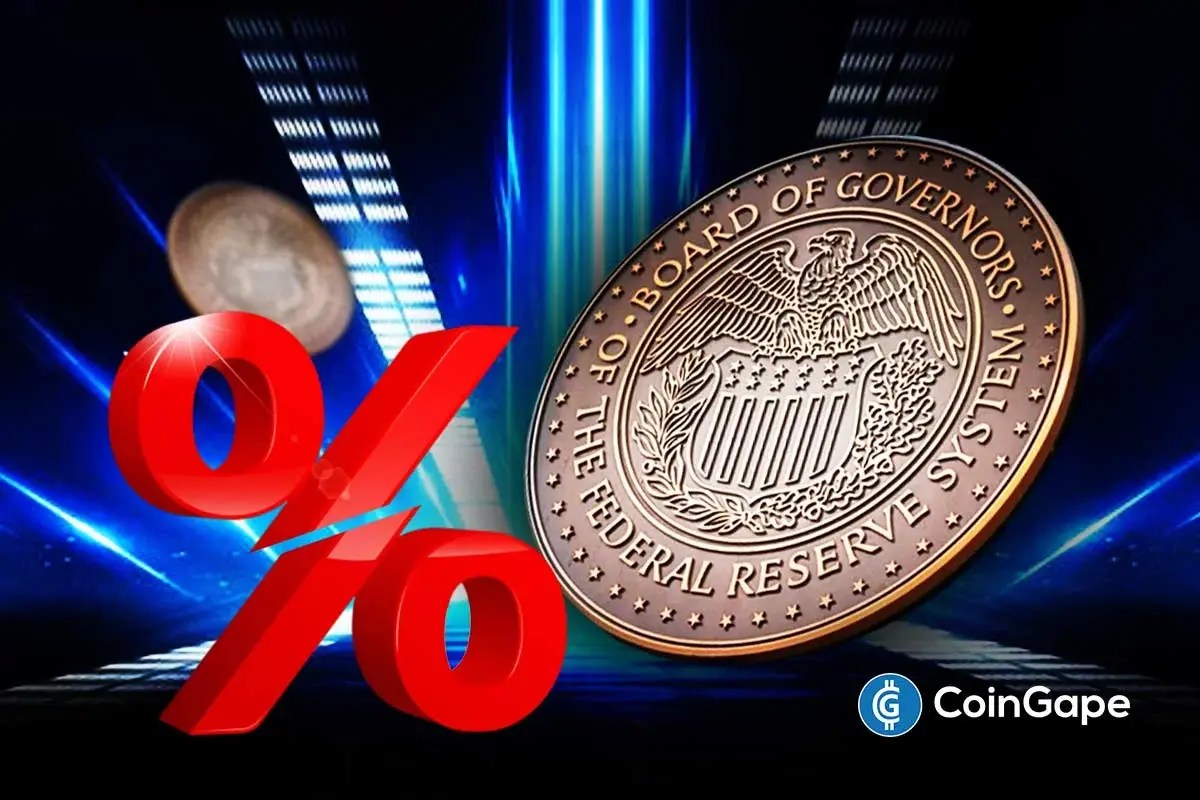
The post Crypto News: Donald Trump-Aligned Fed Governor To Speed Up Fed Rate Cuts? appeared on BitcoinEthereumNews.com. In recent crypto news, Stephen Miran swore in as the latest Federal Reserve governor on September 16, 2025, slipping into the board’s last open spot right before the Federal Open Market Committee kicks off its two-day rate discussion. Traders are betting heavily on a 25-basis-point trim, which would bring the federal funds rate down to 4.00%-4.25%, based on CME FedWatch Tool figures from September 15, 2025. Miran, who’s been Trump’s top economic advisor and a supporter of his trade ideas, joins a seven-member board where just three governors come from Democratic picks, according to the Fed’s records updated that same day. Crypto News: Miran’s Background and Quick Path to Confirmation The Senate greenlit Miran on September 15, 2025, with a tight 48-47 vote, following his nomination on September 2, 2025, as per a recent crypto news update. His stint runs only until January 31, 2026, stepping in for Adriana D. Kugler, who stepped down in August 2025 for reasons not made public. Miran earned his economics Ph.D. from Harvard and worked at the Treasury back in Trump’s first go-around. Afterward, he moved to Hudson Bay Capital Management as an economist, then looped back to the White House in December 2024 to head the Council of Economic Advisers. There, he helped craft Trump’s “reciprocal tariffs” approach, aimed at fixing trade gaps with China and the EU. He wouldn’t quit his White House gig, which irked Senator Elizabeth Warren at the September 7, 2025, confirmation hearings. That limited time frame means Miran gets to cast a vote straight away at the FOMC session starting September 16, 2025. The full board now features Chair Jerome H. Powell (Trump pick, term ends 2026), Vice Chair Philip N. Jefferson (Biden, to 2036), and folks like Lisa D. Cook (Biden, to 2028) and Michael S. Barr…
Share
BitcoinEthereumNews2025/09/18 03:14
Fed Makes First Rate Cut of the Year, Lowers Rates by 25 Bps

Fed Makes First Rate Cut of the Year, Lowers Rates by 25 Bps

The post Fed Makes First Rate Cut of the Year, Lowers Rates by 25 Bps appeared on BitcoinEthereumNews.com. The Federal Reserve has made its first Fed rate cut this year following today’s FOMC meeting, lowering interest rates by 25 basis points (bps). This comes in line with expectations, while the crypto market awaits Fed Chair Jerome Powell’s speech for guidance on the committee’s stance moving forward. FOMC Makes First Fed Rate Cut This Year With 25 Bps Cut In a press release, the committee announced that it has decided to lower the target range for the federal funds rate by 25 bps from between 4.25% and 4.5% to 4% and 4.25%. This comes in line with expectations as market participants were pricing in a 25 bps cut, as against a 50 bps cut. This marks the first Fed rate cut this year, with the last cut before this coming last year in December. Notably, the Fed also made the first cut last year in September, although it was a 50 bps cut back then. All Fed officials voted in favor of a 25 bps cut except Stephen Miran, who dissented in favor of a 50 bps cut. This rate cut decision comes amid concerns that the labor market may be softening, with recent U.S. jobs data pointing to a weak labor market. The committee noted in the release that job gains have slowed, and that the unemployment rate has edged up but remains low. They added that inflation has moved up and remains somewhat elevated. Fed Chair Jerome Powell had also already signaled at the Jackson Hole Conference that they were likely to lower interest rates with the downside risk in the labor market rising. The committee reiterated this in the release that downside risks to employment have risen. Before the Fed rate cut decision, experts weighed in on whether the FOMC should make a 25 bps cut or…
Share
BitcoinEthereumNews2025/09/18 04:36
UK Looks to US to Adopt More Crypto-Friendly Approach

UK Looks to US to Adopt More Crypto-Friendly Approach

The post UK Looks to US to Adopt More Crypto-Friendly Approach appeared on BitcoinEthereumNews.com. The UK and US are reportedly preparing to deepen cooperation on digital assets, with Britain looking to copy the Trump administration’s crypto-friendly stance in a bid to boost innovation.  UK Chancellor Rachel Reeves and US Treasury Secretary Scott Bessent discussed on Tuesday how the two nations could strengthen their coordination on crypto, the Financial Times reported on Tuesday, citing people familiar with the matter.  The discussions also involved representatives from crypto companies, including Coinbase, Circle Internet Group and Ripple, with executives from the Bank of America, Barclays and Citi also attending, according to the report. The agreement was made “last-minute” after crypto advocacy groups urged the UK government on Thursday to adopt a more open stance toward the industry, claiming its cautious approach to the sector has left the country lagging in innovation and policy.  Source: Rachel Reeves Deal to include stablecoins, look to unlock adoption Any deal between the countries is likely to include stablecoins, the Financial Times reported, an area of crypto that US President Donald Trump made a policy priority and in which his family has significant business interests. The Financial Times reported on Monday that UK crypto advocacy groups also slammed the Bank of England’s proposal to limit individual stablecoin holdings to between 10,000 British pounds ($13,650) and 20,000 pounds ($27,300), claiming it would be difficult and expensive to implement. UK banks appear to have slowed adoption too, with around 40% of 2,000 recently surveyed crypto investors saying that their banks had either blocked or delayed a payment to a crypto provider.  Many of these actions have been linked to concerns over volatility, fraud and scams. The UK has made some progress on crypto regulation recently, proposing a framework in May that would see crypto exchanges, dealers, and agents treated similarly to traditional finance firms, with…
Share
BitcoinEthereumNews2025/09/18 02:21