

Vintage Car Tokenization: Unlocking Liquidity in Automotive Heritage
Vintage and classic cars are more than machines-they are cultural artifacts, engineering milestones, and symbols of timeless design. Over the past two decades, rare Ferraris, Porsches, Aston Martins, and Mercedes-Benz classics have delivered returns rivaling fine art and vintage watches. Yet despite their value, vintage cars remain one of the most illiquid alternative assets.
This is changing rapidly. Vintage car tokenization is emerging as a powerful real-world asset (RWA) use case, transforming historically illiquid automotive heritage into digitally tradable, fractionalized investments. By combining blockchain infrastructure with regulated custody and valuation frameworks, tokenization is redefining how collectors and investors access classic cars.
What Is Vintage Car Tokenization?
Vintage Car Tokenization refers to the process of converting ownership rights of a physical vintage or classic car into blockchain-based digital tokens. Each token represents a fractional or full economic interest in the underlying vehicle, backed by legal structures and off-chain custody arrangements.
Instead of requiring a single buyer to acquire and maintain a multi-million-dollar asset, tokenization allows multiple investors to hold fractional ownership, trade positions, and gain exposure to the value appreciation of rare automobiles.
Closely related is Classic Car Tokenization, which focuses on historically significant vehicles-typically those older than 20–30 years-with documented provenance, rarity, and collector demand.
Why Vintage and Classic Cars Are Historically Illiquid
Despite strong long-term performance, vintage cars suffer from structural inefficiencies:
- High capital requirements: Entry prices often exceed $500,000-$5 million
- Limited buyer pools: Transactions depend on a small group of collectors
- Long holding periods: Sales can take months or years
- Opaque pricing: Valuations rely on auctions and private deals
- Operational complexity: Storage, insurance, restoration, and transport
These constraints have traditionally excluded institutional investors and most retail participants. Classic Car Tokenization directly addresses these barriers.
How Vintage Car Tokenization Works
While implementations vary by platform and jurisdiction, most tokenized vintage car structures follow a standardized lifecycle.
1. Asset Selection and Valuation
A vehicle is selected based on rarity, historical significance, condition, and market demand. Independent experts conduct professional valuations using auction data, comparable sales, and provenance records.
2. Legal Structuring
The car is typically placed into a Special Purpose Vehicle (SPV) or trust. Tokens represent economic rights or shares in this entity, ensuring clear legal ownership alignment between on-chain tokens and the physical asset.
3. Custody, Storage, and Insurance
The vehicle is stored in secure, insured facilities-often climate-controlled vaults or museum-grade storage-ensuring preservation and compliance.
4. Token Issuance
Digital tokens are minted on a blockchain, representing fractional ownership. Investors can acquire exposure with significantly lower minimum investment sizes compared to traditional ownership.
5. Secondary Market Trading
Subject to regulatory compliance, tokens may be traded on approved secondary markets, enabling liquidity previously unavailable in the classic car market.
Key Benefits of Vintage and Classic Car Tokenization
1. Unlocking Liquidity
Tokenization converts illiquid physical assets into digitally transferable instruments. Investors are no longer locked into multi-year holding periods to realize value.
2. Fractional Ownership
Vintage Car Tokenization enables global investors to gain exposure to rare vehicles without bearing full acquisition or maintenance costs.
3. Transparency and Provenance
Blockchain records provide immutable transaction histories, ownership trails, and provenance documentation-critical in high-value collectible markets.
4. Portfolio Diversification
Classic cars offer low correlation with traditional asset classes, making Classic Car Tokenization attractive for diversified portfolios and alternative investment strategies.
5. Preservation of Automotive Heritage
Tokenization encourages professional custody and long-term preservation, ensuring historically significant vehicles are maintained rather than liquidated.
Risks and Challenges to Consider
While promising, vintage car tokenization is not without risks:
- Valuation volatility driven by collector sentiment and economic cycles
- Regulatory complexity across jurisdictions
- Liquidity limitations in early-stage secondary markets
- Operational risks related to custody, restoration, or insurance
Investors should evaluate platforms carefully, prioritizing regulatory compliance, transparent governance, and audited asset backing.
Institutional and Market Use Cases
As infrastructure matures, several compelling use cases are emerging:
- Tokenized classic car funds offering diversified exposure
- Collector-led fractional offerings for rare vehicles
- Museum-backed collections monetizing heritage assets responsibly
- Family offices and HNIs seeking alternative, inflation-resistant assets
These models position Vintage Car Tokenization as a credible segment within the broader RWA ecosystem.
Market Outlook: The Future of Classic Car Tokenization
As real-world asset tokenization gains regulatory clarity and institutional adoption, Classic Car Tokenization is expected to follow the trajectory of tokenized art, gold, and collectibles.
Advances in compliance frameworks, custody standards, and on-chain marketplaces will be critical to scaling the market. Over time, tokenized automotive assets may become a recognized alternative investment class-bridging passion, heritage, and financial innovation.
FAQs: Vintage & Classic Car Tokenization
What is vintage car tokenization?
Vintage car tokenization is the process of converting ownership or economic rights of a vintage automobile into blockchain-based digital tokens. These tokens represent fractional or full ownership interests backed by legal structures and physical custody of the car, enabling liquidity and broader investor access.
How does classic car tokenization work?
Classic car tokenization typically involves valuing a historically significant vehicle, placing it into a legal entity such as an SPV, and issuing blockchain tokens that represent ownership or economic rights. Investors can buy, hold, or trade these tokens subject to regulatory compliance.
Is vintage car tokenization legal?
Vintage car tokenization can be legal when structured within applicable securities, asset ownership, and digital asset regulations. Compliance depends on jurisdiction, legal structuring, investor eligibility, and platform governance. Reputable platforms prioritize regulatory alignment and transparent ownership frameworks.
What are the benefits of classic car tokenization for investors?
Classic car tokenization offers investors fractional ownership, improved liquidity, transparent provenance, portfolio diversification, and access to high-value automotive assets without full acquisition or maintenance costs.
What risks are associated with vintage car tokenization?
Risks include valuation fluctuations, limited secondary market liquidity, regulatory uncertainty, operational risks related to custody or insurance, and market demand shifts. Investors should conduct due diligence on platforms and asset structures before investing.
Can tokenized vintage cars be traded?
Yes, depending on regulatory permissions and platform design, tokenized vintage cars can be traded on compliant secondary markets. This trading capability is what unlocks liquidity compared to traditional classic car ownership models.
Conclusion
Vintage and classic cars have always represented enduring value, but access has remained limited to a privileged few. Vintage Car Tokenization is changing that paradigm by unlocking liquidity, enabling fractional ownership, and preserving automotive heritage through modern financial infrastructure.
As blockchain technology continues to integrate with real-world assets, Classic Car Tokenization stands out as a compelling intersection of culture, capital, and innovation-bringing the past into the future of investing.
Vintage Car Tokenization: Unlocking Liquidity in Automotive Heritage was originally published in Coinmonks on Medium, where people are continuing the conversation by highlighting and responding to this story.
You May Also Like
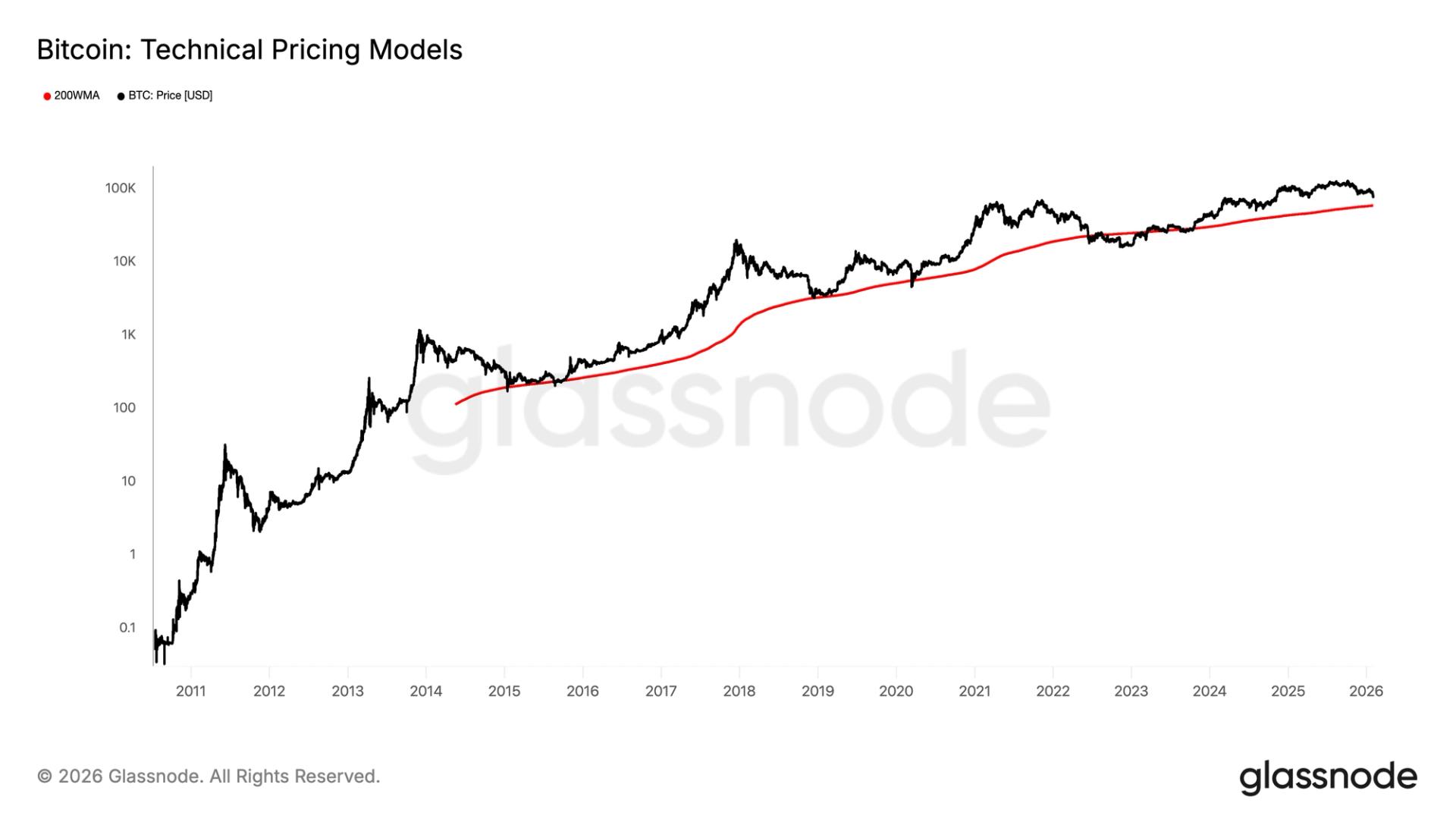
Why a $58,000 bitcoin is the key number for crypto investors right now
Copy linkX (Twitter)LinkedInFacebookEmail
Virtune AB (Publ) (“Virtune”) has completed the monthly rebalancing for January 2026 of its Virtune Crypto Altcoin Index ETP
