

US Dollar Soars: Safe Haven Demand Surges as Iran Conflict Intensifies
BitcoinWorld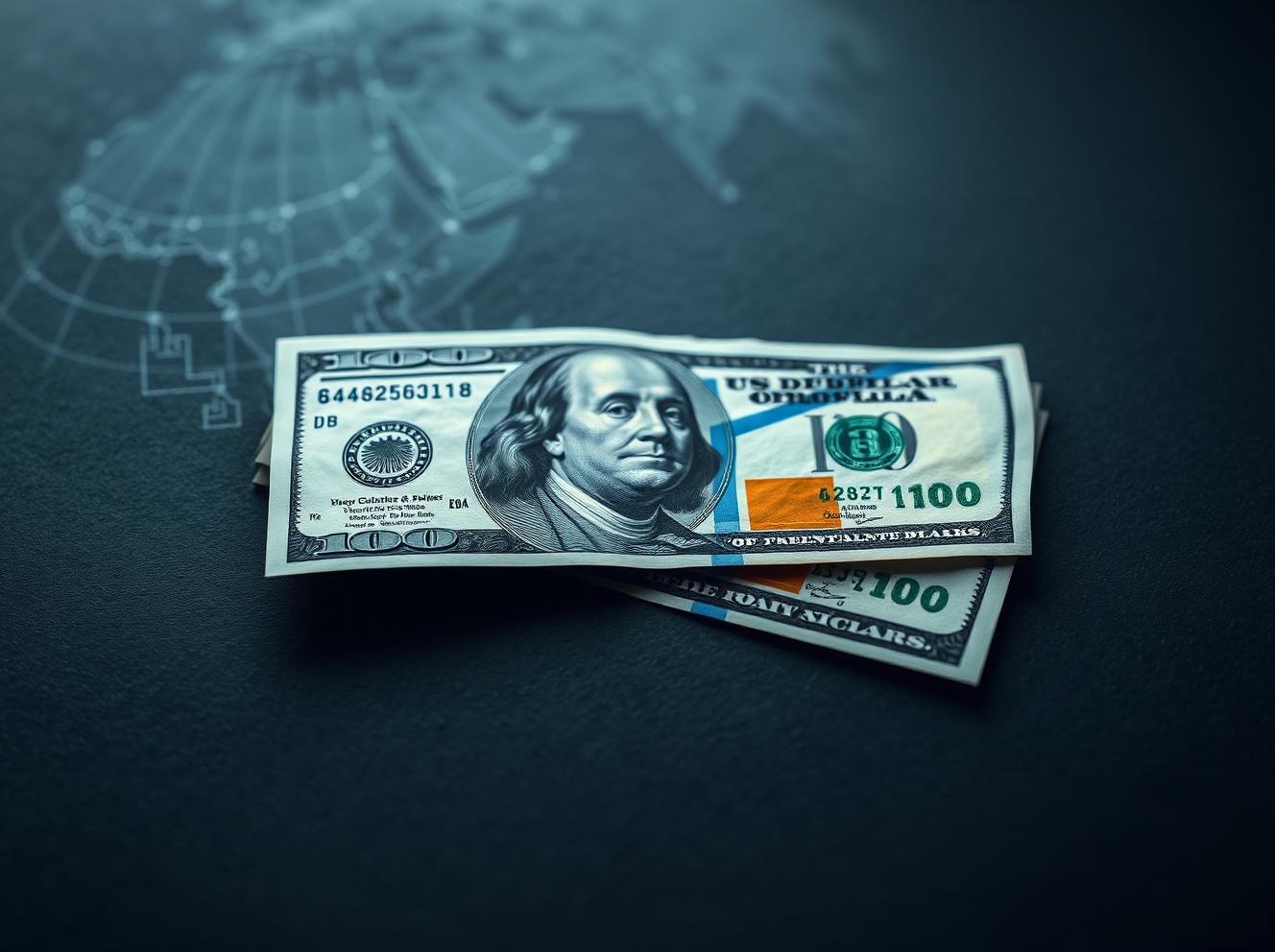
US Dollar Soars: Safe Haven Demand Surges as Iran Conflict Intensifies
LONDON, April 15, 2025 – The US dollar resumed a powerful climb against major global currencies this week, driven by escalating safe haven demand as military conflict between Israel and Iran intensifies. Consequently, investors globally are rapidly shifting assets into dollar-denominated holdings, seeking stability amid heightened geopolitical risk. This flight to safety underscores the dollar’s enduring role as the world’s primary reserve currency during periods of international crisis.
US Dollar Strength and Geopolitical Tensions
The Dollar Index (DXY), which measures the greenback against a basket of six major peers, surged past the 107.50 mark, reaching its highest level in over four months. This significant move follows a series of retaliatory airstrikes between Israel and Iran, which have dramatically increased uncertainty across Middle Eastern energy corridors and global trade routes. Market analysts immediately observed a classic risk-off pattern. For instance, traders are liquidating positions in emerging market currencies and commodities, funneling capital into US Treasuries and the dollar.
Historically, the US dollar benefits from its status as the world’s primary liquidity and settlement currency. During the 2022 Russia-Ukraine conflict, the DXY appreciated by nearly 9% in the first month. Similarly, the current Iran conflict triggers comparable dynamics. The Federal Reserve’s relatively higher interest rates, compared to other major central banks, further enhance the dollar’s yield appeal during turbulent times.
Expert Analysis on Market Sentiment
Dr. Anya Sharma, Chief Strategist at Global Macro Advisors, provided context on the currency movements. “We are witnessing a textbook flight to quality,” Sharma stated. “The dollar’s rally is not a reflection of US economic outperformance today, but rather a global scramble for security. When geopolitical fault lines rupture, the US Treasury market represents the deepest and most liquid safe harbor available.” Sharma’s analysis points to a surge in bids for 10-year Treasury notes, which has pushed yields lower even as the dollar strengthens—a correlation that often signals避险情绪 (safe-haven sentiment).
Impact on Global Currencies and Commodities
The dollar’s ascent exerts intense pressure on other major currencies. The euro fell below 1.0650 for the first time this year, while the Japanese yen weakened past 155 per dollar, prompting fresh speculation about potential intervention by Japanese authorities. Emerging market currencies, particularly those in oil-importing nations, faced steeper declines. The Indian rupee and the South African rand both hit multi-month lows.
Commodity markets exhibited a split reaction. While Brent crude oil prices initially spiked above $95 per barrel on supply disruption fears, gains were later capped by the stronger dollar, which makes oil more expensive for holders of other currencies. Conversely, gold—another traditional safe haven—saw robust buying, trading above $2,400 per ounce. The table below illustrates key market movements over the past five trading sessions:
| Asset | Price Change | Primary Driver |
|---|---|---|
| US Dollar Index (DXY) | +2.1% | Safe Haven Demand |
| Euro (EUR/USD) | -1.8% | Dollar Strength, ECB Policy Divergence |
| Brent Crude Oil | +4.5% | Geopolitical Risk Premium |
| Gold (XAU/USD) | +3.2% | Alternative Safe Haven Demand |
| US 10-Year Treasury Yield | -15 bps | Flight to Quality Bonds |
This environment creates significant challenges for global central banks. The European Central Bank and the Bank of England must now weigh stubborn inflation against the growth headwind of a stronger dollar. Meanwhile, central banks in Asia have reportedly engaged in verbal intervention to slow their currencies’ depreciation.
Historical Context and the Safe Haven Cycle
The current surge in safe haven demand for the US dollar fits a well-established historical pattern. Financial crises and geopolitical shocks consistently trigger capital flows into dollar assets. Key historical precedents include:
- The 2008 Global Financial Crisis: The DXY rose over 25% as credit markets froze.
- The Early 2020 COVID-19 Pandemic: A massive dollar shortage prompted global central bank swap lines.
- The 2022 Ukraine Invasion: The dollar appreciated sharply as sanctions disrupted global finance.
Each event reinforced the dollar’s structural dominance in the international monetary system. However, analysts note a nuanced shift in the current cycle. The widespread use of financial sanctions as a policy tool has spurred discussions about de-dollarization among some nations. Despite this, the immediate market reaction to the Iran conflict demonstrates that the dollar’s safe haven status remains preeminent during acute crises. The liquidity and depth of US financial markets continue to be unmatched.
The Federal Reserve’s Delicate Position
The Federal Reserve now operates in a complex policy landscape. Strong dollar appreciation helps dampen imported inflation, potentially giving the Fed more room to maneuver on interest rates. Conversely, excessive dollar strength could tighten global financial conditions, negatively impacting emerging markets and, eventually, the US economy through weaker external demand. Comments from Fed officials this week have been cautiously neutral, emphasizing data dependence while acknowledging global risks. This stance suggests the central bank is unlikely to directly counter the currency’s move in the near term.
Conclusion
The US dollar’s renewed climb is a direct consequence of intensifying safe haven demand as the Iran conflict rages on. This movement highlights the currency’s critical role as a global stabilizer during geopolitical upheaval. While the immediate flow is toward dollar strength, the longer-term implications include potential volatility in emerging markets, pressure on other central banks, and complications for global trade. The trajectory of the dollar will remain inextricably linked to developments in the Middle East, underscoring how geopolitical events continue to drive core financial market dynamics in 2025.
FAQs
Q1: Why does the US dollar strengthen during geopolitical conflicts?
The US dollar strengthens because it is considered the world’s primary safe haven asset. Investors seek the stability and liquidity of US Treasury bonds and dollar deposits when global risk rises, increasing demand for the currency.
Q2: How does a stronger dollar affect other countries?
A stronger dollar makes imports from the US more expensive for other nations and can increase the debt burden for countries and companies with dollar-denominated loans. It also puts downward pressure on other currencies, complicating monetary policy for their central banks.
Q3: What is the difference between the dollar and gold as safe havens?
Both are safe havens, but they serve different purposes. The US dollar offers liquidity and yield (via interest rates). Gold is a physical, non-yielding asset seen as a hedge against currency debasement and systemic financial risk. They often, but not always, rise together during crises.
Q4: Could this conflict lead to a sustained period of dollar strength?
The duration of dollar strength depends on the scale and longevity of the conflict. A prolonged crisis would likely sustain demand. However, a rapid de-escalation could see the dollar give back some gains as investors rotate back into riskier assets.
Q5: How does this impact the average American consumer?
A stronger dollar lowers the cost of imported goods, helping to curb inflation. It also makes foreign travel and purchasing foreign products cheaper. However, it makes US exports more expensive for foreign buyers, which can hurt American companies that rely on overseas sales.
This post US Dollar Soars: Safe Haven Demand Surges as Iran Conflict Intensifies first appeared on BitcoinWorld.
You May Also Like

WAR Token Surges 56% as On-Chain Activity Signals Growing Adoption in Gaming Sector

South Korea Consumer Price Index Growth (YoY) below forecasts (2.1%) in February: Actual (2%)
