What is Perceptron Network($PERC)? A Complete Guide to AI Incentives and Decentralized Data Pipelines
Key Takeaways
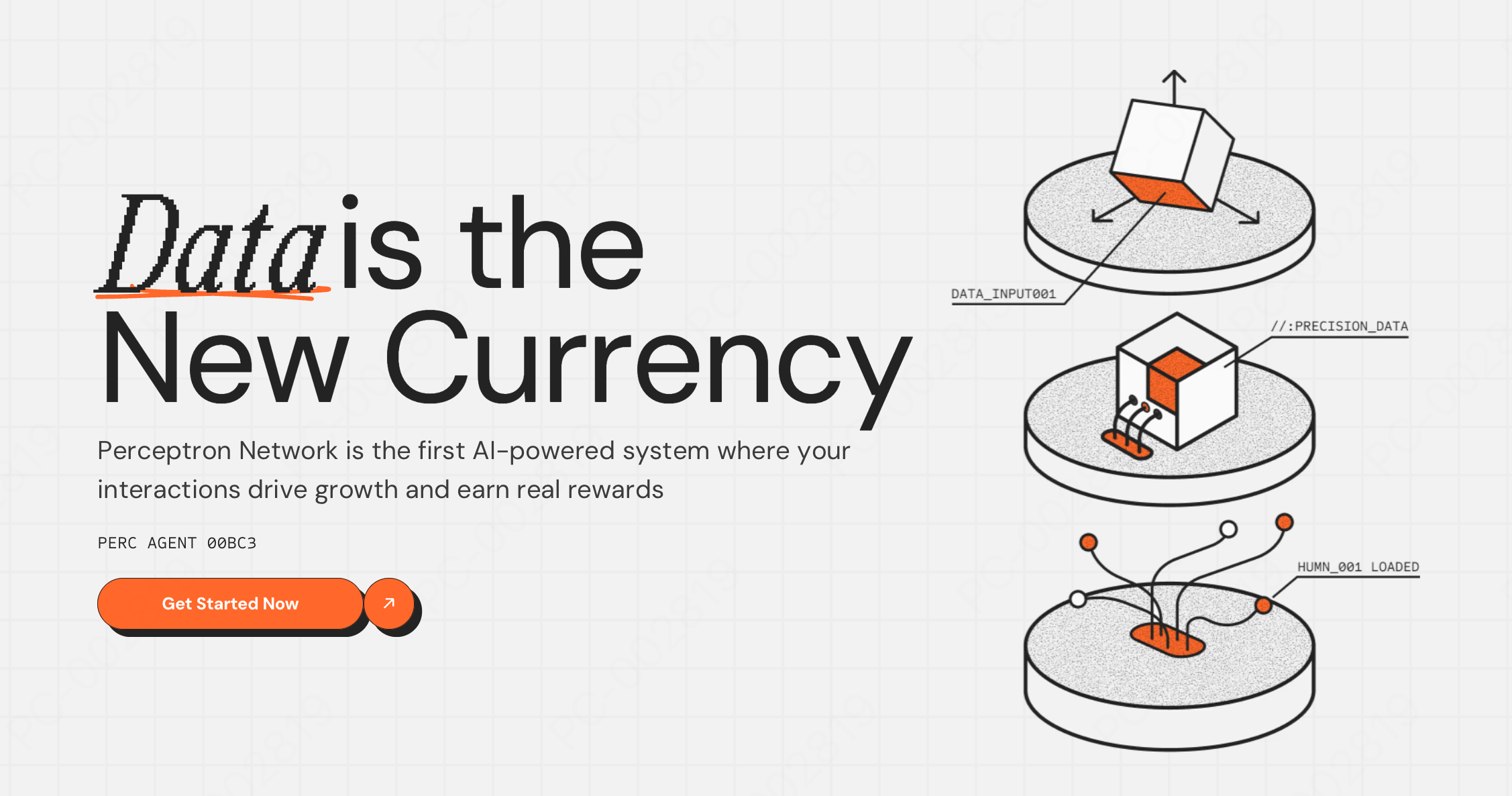
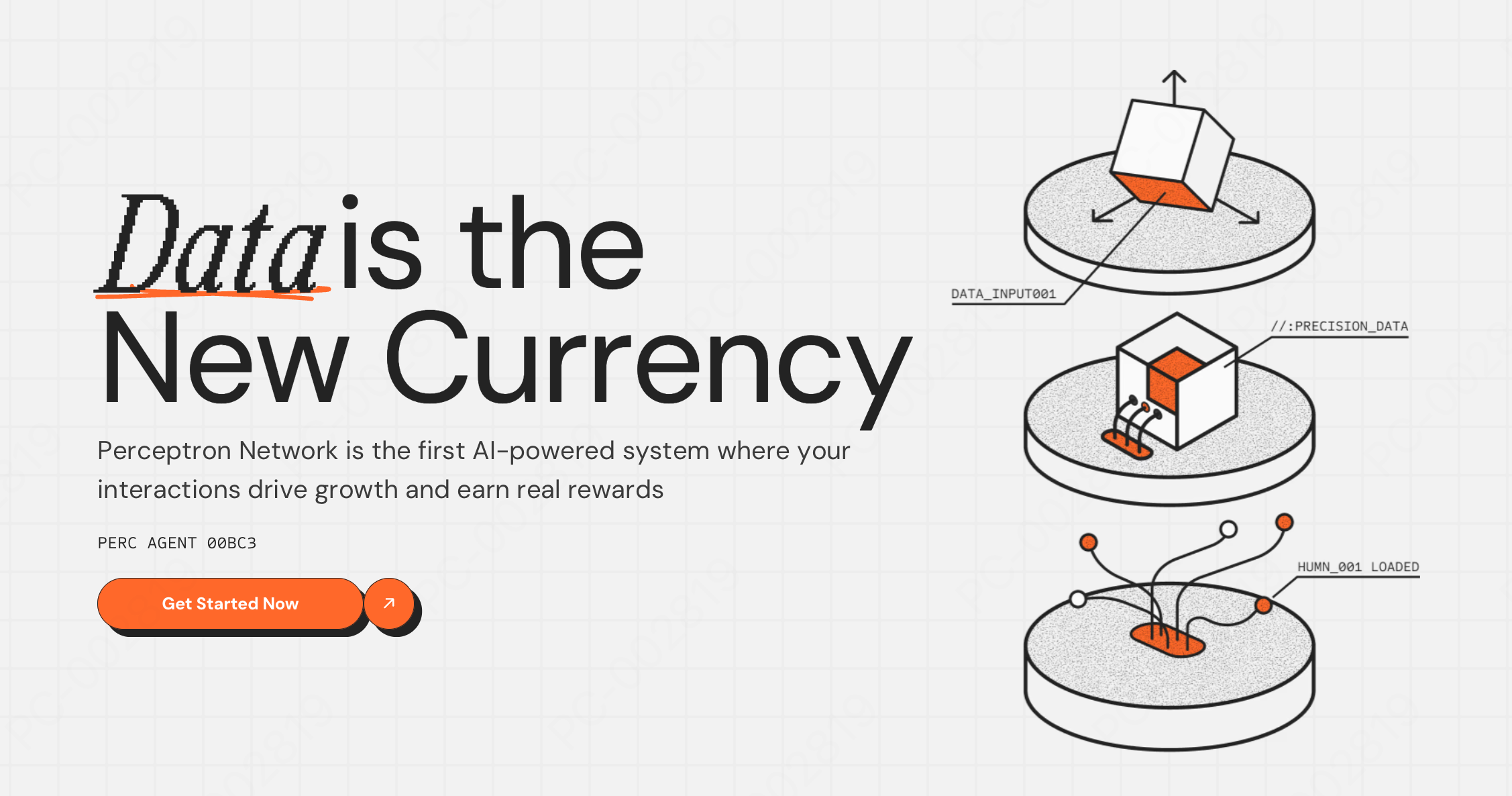
- Perceptron Network is positioned as an agent-managed incentive framework, where AI agents can mint and distribute PERCs (composable mini-NFTs) to reward useful community behavior.
- The project states that $PERC is the network token, and its documentation describes airdrop-based distribution tied to participation and/or PERC ownership.
- In 2025, BlockMesh announced it joined/merged into Perceptron Network, presenting a combined “node layer + agent layer” pipeline for AI-related data workflows.
- Real-time market metrics (price, liquidity, volume) can change quickly and may differ by venue; users should verify chain + contract + pair to avoid ticker collisions and lookalike tokens.
- Data provenance and quality are widely recognized as key factors for trustworthy AI systems, but no single protocol can “eliminate hallucinations” in all cases.
1.What is Perceptron Network($PERC)?
- Incentives: rewarding actions that help agents learn, improve, or scale
- Trust signals: tiered PERCs used as a lightweight reputation indicator
- Ecosystem coordination: guiding participation via measurable contributions rather than pure speculation

1.1 Background: BlockMesh Joined Perceptron Network
- BlockMesh contributes large-scale nodes for collecting and structuring public web data
- Perceptron provides the agent framework to coordinate incentives, interaction, and trust layers
2. How Perceptron Works (Conceptually
2.1 PERCs (Mini-NFTs) as Incentives
2.2 Tiered Trust Signals (“Reputation,” Not Guarantees)
2.3 Node Layer + Agent Layer (Post-Merge Narrative)
- Node layer: large-scale collection/structuring of public data
- Agent layer: community interaction, incentives, and coordination mechanisms
3. $PERC Token: Utility and Distribution
- $PERC as the network token
- Airdrop-based distribution (micro-NFT PERC holders and/or participants can qualify, depending on eligibility rules)
4. What Problem Is It Trying to Solve?
- Data reliability (noisy sources, weak provenance, unclear attribution)
- Coordination costs (getting humans to contribute consistently and honestly)
- Incentive misalignment (rewards that don’t map to real utility)
5. Market Data, Tracking, and Token Verification (No Listing Assumptions)
5.1 How to Track Price and Liquidity (Safely)
5.2 Liquidity and Slippage Reminder
- large spreads
- high slippage
- rapid price swings driven by small orders This is a market-structure reality, not specific to Perceptron.
6.0 Risks and Considerations
- Lookalike tokens & scams: verify contract and chain; avoid random airdrop links.
- Data and privacy: browser/node products may involve data collection. Always review permissions and disclosures before installing extensions or connecting wallets.
- Token distribution uncertainty: eligibility criteria and timelines can change; treat airdrops as non-guaranteed events.
- AI claims: improvements in data provenance can be meaningful, but “trustworthy AI” is multi-factor and context dependent.
7.0 FAQ
Popular Articles

Safeguarding Industry Growth Amid Crypto Compliance Trends
As cryptocurrencies become increasingly integrated into the traditional financial system, major digital assets are evolving beyond investment vehicles into important tools for payment and settlement.
MEXC Copy Trading Service Agreement
This MEXC Copy Trading Service Agreement ("Agreement") is a contract between you ("you", "your" or "User") and MEXC ("we", "our", "us" or "MEXC"). It sets out the terms and conditions that governs you
MEXC Copy Trading Service Agreement
This MEXC Copy Trading Service Agreement ("Agreement") is a contract between you ("you", "your" or "User") and MEXC ("we", "our", "us" or "MEXC"). It sets out the terms and conditions that governs you
How to Recover Funds Lost in ETH Transfer Scams? Step-by-Step Recovery Methods
Losing Ethereum to transfer scams is devastating, but recovery may still be possible if you act quickly.This guide walks you through the critical steps to take immediately after discovering fraud, fro
Related Articles
Dogecoin ETF: What We Know So Far and Whether It Could Happen
Key Takeaways:REX-Osprey Dogecoin ETF (DOJE) launched in September 2025 as the first U.S. product offering DOGE exposure via a mix of holdings and derivatives.Grayscale Dogecoin Trust ETF (GDOG) debut
Elon Musk and Dogecoin: How Much Influence Does He Still Have?
Key Takeaways:Musk’s Pivotal Role: Elon Musk’s influence on Dogecoin’s rise is profound, shaping the cryptocurrency’s trajectory through public endorsements and tweets.Price Influence: Musk’s tweets h
What is Dogecoin? Origins, Mechanism, Meme Culture, and Relevance
In crypto and blockchain, while much online discussion and investment debate center around technical articles, project-specific white papers, roadmaps, and complex language, Dogecoin stands out among
How to Buy Dogecoin (DOGE) on MEXC? Low Fees, Fast Execution & Safety Guide for Beginners
Dogecoin (DOGE), originally introduced as a memecoin in 2013, has come a long way from its playful beginnings to becoming one of the most recognized cryptocurrencies worldwide. Despite its inflationar