

US CPI Data Expected to Show Inflation Hit a Three-Year High, Fueled by Surging Oil Prices
BitcoinWorld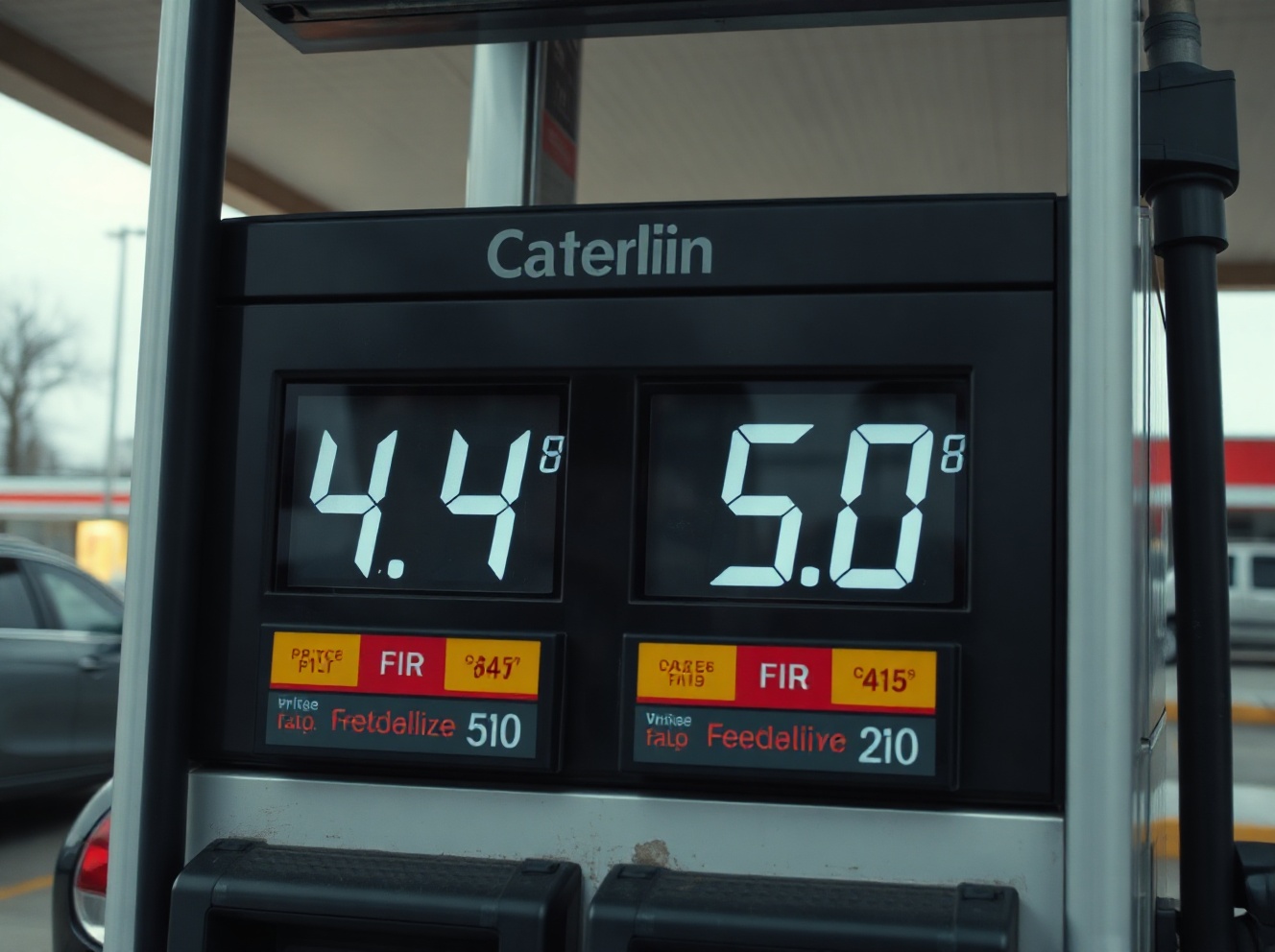
US CPI Data Expected to Show Inflation Hit a Three-Year High, Fueled by Surging Oil Prices
New data set to be released this week by the Bureau of Labor Statistics is expected to reveal that the US Consumer Price Index (CPI) has climbed to a three-year high, a surge largely attributed to the sustained rally in global oil prices. Economists project the headline inflation rate will surpass previous peaks, marking a significant milestone in the current economic cycle and raising fresh concerns about the cost of living for American households.
Oil Prices as the Primary Driver
The primary catalyst behind this anticipated inflation spike is the sharp increase in crude oil prices, which have been driven by a combination of supply constraints from OPEC+ production cuts, geopolitical tensions in key producing regions, and robust global demand. These factors have pushed gasoline prices at the pump to multi-year highs, directly feeding into the transportation and energy components of the CPI. Analysts note that energy costs have a cascading effect on other sectors, from shipping and manufacturing to retail prices, amplifying the overall inflationary pressure.
Broader Economic Implications
This expected reading presents a complex challenge for the Federal Reserve. While the central bank has been signaling a potential pivot toward easing monetary policy later this year, a sustained high inflation reading could delay or alter those plans. For consumers, the impact is immediate and tangible. Higher fuel costs are squeezing household budgets, reducing discretionary spending power, and disproportionately affecting lower-income families who spend a larger share of their income on transportation and energy. The data also has implications for financial markets, as traders will closely parse the numbers for clues about the Fed’s next moves.
What to Watch in the Report
Beyond the headline number, market observers will focus on core CPI, which excludes volatile food and energy prices. A significant divergence between headline and core readings would underscore the oil-driven nature of the current inflation. Additionally, month-over-month changes will be scrutinized to determine if the trend is accelerating or stabilizing. The data release is scheduled for [Date of Release], and its outcome is likely to dominate economic headlines and influence trading sessions across global markets.
Conclusion
The upcoming US CPI report is poised to confirm that inflation has reached a new peak in this cycle, with high oil prices acting as the primary accelerant. The data will provide critical insight into the health of the economy and the effectiveness of current policy measures, while directly affecting the financial well-being of millions of Americans. All eyes will be on the release for signs of whether this is a temporary spike or a more entrenched trend.
FAQs
Q1: What is the US CPI and why is it important?
The Consumer Price Index (CPI) measures the average change over time in the prices paid by urban consumers for a market basket of consumer goods and services. It is the most widely used indicator of inflation, directly affecting interest rates, social security payments, and household purchasing power.
Q2: How do oil prices specifically affect CPI?
Oil prices directly impact the ‘energy’ component of CPI, which includes gasoline, heating oil, and electricity. Because transportation costs are embedded in nearly every good, higher oil prices also indirectly raise the prices of food, manufactured goods, and services, creating a broad inflationary effect.
Q3: What could the Federal Reserve do in response to high CPI?
If inflation remains persistently high, the Federal Reserve may choose to keep interest rates higher for longer or delay planned rate cuts. This would make borrowing more expensive for businesses and consumers, potentially slowing economic growth as a trade-off for controlling inflation.
This post US CPI Data Expected to Show Inflation Hit a Three-Year High, Fueled by Surging Oil Prices first appeared on BitcoinWorld.


You May Also Like

USDC Treasury mints 250 million new USDC on Solana

Why Businesses Need Professional Machine Design and Development Services

Trump family crypto deal collapse proves why these are the leading cryptos to buy now



