

Google TV Gemini AI Features Transform Your Living Room With Powerful Creative Tools
BitcoinWorld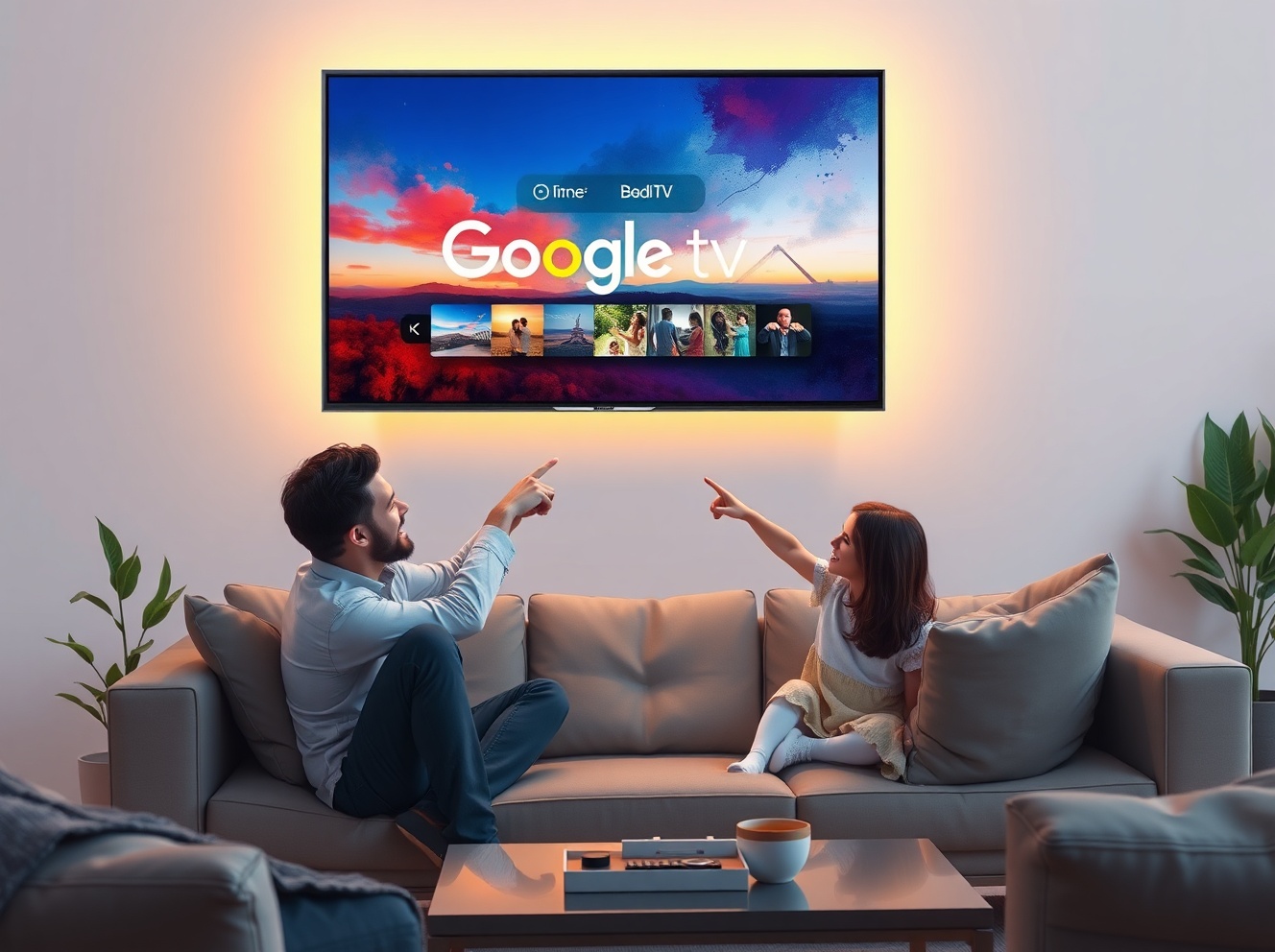
Google TV Gemini AI Features Transform Your Living Room With Powerful Creative Tools
Google TV is receiving a major upgrade centered on Google TV Gemini features, bringing powerful generative AI tools directly to the living room. The announcement, made on Wednesday, introduces a suite of AI-powered capabilities designed to transform how users interact with their televisions. At the heart of this update are two new creative tools: Nano Banana for image editing and Veo for video generation. These features are rolling out first on Gemini-enabled TCL TVs in the United States, with broader device support expected later this year.
Nano Banana: AI-Powered Image Editing on Google TV
Nano Banana, Google’s advanced image-generation and editing model, now allows users to transform photos using simple voice commands. This feature is positioned as a shared, living-room experience. Users can swap outfits, change backgrounds, or generate entirely new scenes by speaking a prompt. For example, a user might ask the AI to make “my dad wear a ridiculous outfit” to get a laugh from family and friends. The tool is accessible through a new “Create” button within the Gemini tab on the Google TV interface. This integration marks a significant step in making AI tools accessible to a broader audience, moving beyond smartphones and computers.
How Nano Banana Works
The technology behind Nano Banana leverages Google’s latest advancements in generative AI. It processes voice prompts in real-time, applying complex image transformations within seconds. The model understands context and can maintain the integrity of the original photo while making requested changes. This capability is designed for entertainment and creative expression, encouraging users to experiment with visual storytelling in a social setting.
Veo: Video Creation From Voice Prompts
Veo, another key component of the Google TV AI update, enables users to create short video clips from scratch or animate still images by describing a scenario. For instance, a user could say, “make my grandfather moonwalk in space,” and Veo will generate a corresponding video. This feature opens up new possibilities for personalized content creation, allowing users to produce unique videos for family gatherings, celebrations, or simply for fun. The tool is designed to be intuitive, requiring no prior video editing experience.
Technical Capabilities of Veo
Veo uses a diffusion-based model trained on a vast dataset of video clips. It can generate smooth, coherent motion from a single image or a text description. The AI handles complex actions, such as dancing or walking, with surprising accuracy. While the initial rollout is limited to specific hardware, Google plans to expand support to more devices over time. This move positions Google TV as a platform for both consumption and creation, blurring the lines between viewer and creator.
Google Photos Gets a Gemini-Powered Upgrade
Beyond creative tools, Gemini AI Google TV also enhances the Google Photos experience. With Gemini-powered search, users can quickly surface specific memories, like vacations or birthday parties, without digging through their entire library. Results are displayed in a browsable format, making it easy to view images full-screen or launch a slideshow. This feature addresses a common pain point for users with large photo collections, saving time and effort.
New Remix and Dynamic Slideshows
A new “Remix” feature allows users to apply artistic styles such as watercolor or oil painting to their photos. This adds a creative layer to personal memories, transforming ordinary snapshots into works of art. Additionally, “Dynamic Slideshows” introduces animated layouts, frames, and color treatments. Users can turn any Google Photos collection into a vivid, TV-ready slideshow by selecting Google Photos in the screensaver settings. These features make the television a central hub for family photo viewing, enhancing the emotional connection to digital memories.
Short-Form Video Feed Comes to Google TV
Google is also leaning into the growing popularity of short-form video. A new “Short videos for you” row will appear on the Google TV home screen, starting with content from YouTube Shorts. This move comes on the heels of YouTube recently introducing an option to hide Shorts on mobile, suggesting mixed user demand. Still, Google hints this could expand beyond Shorts in the future, potentially to other platforms. Instagram has already expanded its TV app to Google TV devices in the U.S. earlier this year, indicating a broader trend toward TV-optimized short-form content.
Impact on User Experience
The integration of a short-form video feed directly on the home screen changes how users discover content. It provides a continuous stream of engaging, bite-sized videos without requiring users to open a separate app. This feature is designed to increase time spent on the platform and offer a more dynamic browsing experience. However, the mixed reception on mobile suggests that Google will need to carefully balance user preferences with platform goals.
Timeline and Device Availability
The rollout of these features begins with Gemini-enabled TCL TVs in the United States. Google has not provided a specific timeline for broader device support, but industry analysts expect a gradual expansion throughout 2025. The initial focus on TCL hardware suggests a strategic partnership to ensure optimal performance and user experience. Other manufacturers, including Sony and Hisense, are expected to follow as the technology matures.
Hardware Requirements
These AI features require a TV with built-in Gemini processing capabilities. This means older Google TV devices may not support the full suite of tools. Users with compatible hardware will see the Gemini tab appear on their home screen, providing access to the Create button and other AI features. Google is likely to update its system requirements as the technology evolves, potentially making it available on more devices through cloud-based processing.
Expert Analysis and Industry Context
Industry experts view this update as a strategic move by Google to differentiate its TV platform in a competitive market. With rivals like Amazon Fire TV and Roku also investing in AI, Google’s focus on generative creativity sets it apart. Dr. Sarah Chen, a digital media analyst at TechInsights, notes, “Google is betting that the living room will become a new frontier for AI experimentation. By making tools like Nano Banana and Veo accessible on TV, they are lowering the barrier to entry for creative expression.” This perspective aligns with Google’s broader strategy of embedding AI into every aspect of its ecosystem.
Data Privacy Considerations
With the introduction of AI features that process personal photos and videos, data privacy becomes a critical concern. Google has stated that all processing is done locally on the device for Nano Banana and Veo, ensuring that user data does not leave the TV. For Google Photos search, queries are processed on-device using a local index. This approach aligns with Google’s commitment to privacy and helps mitigate potential regulatory scrutiny. Users can also manage their data preferences through the Google TV settings menu.
Comparison With Competitors
Amazon’s Fire TV has introduced AI-powered voice search and content recommendations, but lacks generative creation tools. Roku’s platform focuses on content aggregation and ad-supported streaming, with limited AI integration. Apple TV offers a polished user experience but has not yet introduced generative AI features. Google’s approach is more ambitious, aiming to transform the TV from a passive consumption device into an interactive creative hub.
| Platform | AI Features | Generative Tools | Device Support |
|---|---|---|---|
| Google TV | Voice search, recommendations, Nano Banana, Veo | Yes | Gemini-enabled TCL TVs (initial) |
| Amazon Fire TV | Voice search, AI recommendations | No | Fire TV devices |
| Roku | Content search, ad targeting | No | Roku devices |
| Apple TV | Siri voice search, recommendations | No | Apple TV hardware |
Conclusion
The introduction of Google TV Gemini features marks a significant evolution in how users interact with their televisions. With tools like Nano Banana for image editing, Veo for video creation, and enhanced Google Photos capabilities, Google is positioning its TV platform as a hub for both consumption and creativity. The addition of a short-form video feed further aligns with current content trends. As these features roll out to more devices, they have the potential to redefine the living room experience, making AI an integral part of everyday entertainment.
FAQs
Q1: What are the new Google TV Gemini features?
The new features include Nano Banana for AI-powered image editing, Veo for video creation from voice prompts, enhanced Google Photos search with Gemini, and a short-form video feed from YouTube Shorts.
Q2: Which devices support the new Gemini AI features on Google TV?
The features are initially rolling out on Gemini-enabled TCL TVs in the United States. Broader device support is expected later in 2025.
Q3: How does Nano Banana work on Google TV?
Nano Banana allows users to edit photos using voice commands. You can swap outfits, change backgrounds, or generate new scenes by speaking a prompt like “make my dad wear a ridiculous outfit.”
Q4: Is my data safe when using these AI features?
Yes. Google states that all processing for Nano Banana and Veo is done locally on the device. Photo search queries are also processed on-device, ensuring your data remains private.
Q5: Will older Google TV devices get these features?
Older devices without built-in Gemini processing capabilities may not support the full suite of features. Google has not announced a timeline for backward compatibility.
This post Google TV Gemini AI Features Transform Your Living Room With Powerful Creative Tools first appeared on BitcoinWorld.


You May Also Like

Gold Price Stages Resilient Recovery, Nears $4,650 Amid Market Uncertainty

Lululemon (LULU) Stock Plunges to 52-Week Low Amid Founder’s Support for Rivals
