

Beyond Starlink: Amazon Leo, Spacesail, Space24 seek entry into South Africa
South African Communications Minister Solly Malatsi has revealed that several satellite internet services, alongside Starlink, are seeking operating licences, indicating a wide range of Low-Earth-orbit (LEO) satellite operators.
The disclosure marks the latest attempt by Malatsi to distance himself from accusations of favouring the Elon Musk-owned company through private meetings with Starlink representatives and a push to bend local laws.
In a letter to ANC MP Khusela Diko, chairperson of the Portfolio Committee on Communications and Digital Technologies, headed “Setting the record straight” and dated Sunday, Malatsi mentioned that alongside Starlink, operators such as MzansiSat, Amazon Leo, China Satellite Network Company, Spacesail, and Space24 are actively seeking entry into South Africa.
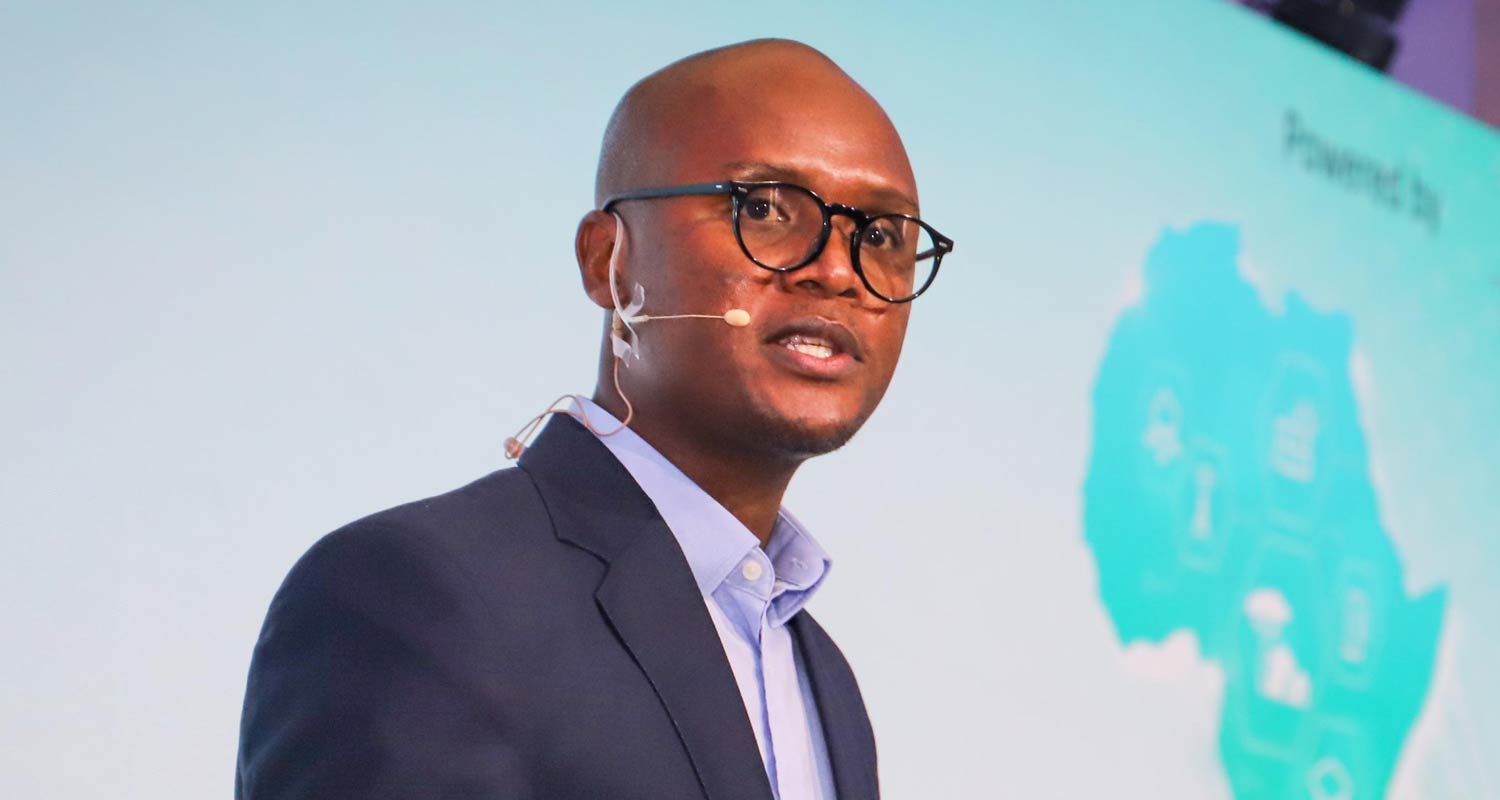 Solly Malatsi – South Africa’s Communications Minister
The South African internet space is currently dominated by mobile network operators and mobile virtual network operators, who are still struggling to provide over 65 million South Africans with the desired quality of experience, especially for those in rural settlements.
However, exploring high-speed internet through fibre and satellite internet services becomes a viable alternative. While the former has seen low coverage, with about 2.4 million active connections provided by MTN, Openserve, Vumatel and others, the latter still has stumbling blocks with local laws.
Satellite operators have been attempting to launch in the country, with Starlink making major headlines in this push. While it continues to expand across African countries (now at 27), efforts to launch in South Africa have been unyielding, largely due to the Broad-Based Black Economic Empowerment (BBBEE) Act, a rule that demands 30% local ownership in foreign businesses.
Other satellite operators are believed to be in the same wedge of hurdles Starlink is facing in South Africa. And Malatsi, in his latest statement, showed a number of LEO operators wanting to operate in South Africa.
 Low orbit satellite
Also Read: Namibia rejects Starlink’s appeal, leaving Elon Musk’s satellite service locked out of 2 major African markets.
Solly Malatsi’s latest stand on Starlink
While making a new attempt to distance himself from being an “insider” for Starlink through favouritism, the minister has shed more light on details surrounding his meeting with the company.
A central part of the clarification is an introductory meeting his Chief of Staff had with Starlink’s Senior Director of Market Access, Ryan Goodnight, in September 2024. Malatsi explained that engaging with operators may broaden his perspective on issues, but they do not dictate or influence his decision-making.
Recently, the consideration of equivalent investment programmes (EEIPs), a proposed alternative to the BBBE rule, has ignited the review of the South African ICT law. A move Diko tagged as an attempt by Malatsi to bend the country’s law.
Diko said the matter is “concerning historical precedents in our country, where private interests sought to direct government policy and executive decisions during the state capture era.”
In fact, Malatsi’s letter is a response to a formal demand from Diko, issued last Wednesday, that he should provide a comprehensive written account of his reported dealings with Resolve and Starlink by Monday, 6 July.
“As I am sure you would agree, it is impossible to be unduly influenced to do something one is already doing,” he wrote in the letter.
 Khusela Diko
In addition, Malatsi discredits the claim that Resolve, the public affairs firm chaired by former DA leader Leon, mediated his engagement with Starlink. Instead, he noted that “the meeting was facilitated directly between my office and Robert Appelbaum (a partner at law firm Webber Wentzel).”
Instead, he clarified that his two meetings with Resolve centred on discussions outside Starlink. The first, in November 2024, led to a meeting with Premium Ideas SA, a SIM card packaging and logistics company. The second, in June 2025, concerned Hot 102.7FM’s licence amendment application.
For Starlink, the wait to launch in South Africa is still on.
In its plan for equivalent investment programmes, the company revealed a project to invest almost R2 billion ($116 million USD) in South Africa. It also involves partnering with local internet service providers to install and maintain internet infrastructure in schools.


You May Also Like

Dow Jones Industrial Average Flirts With Historic Milestone Before Pulling Back

Was Michael Burry Right About Palantir? PLTR Is Still Down Over the Past Year
MAGA melts down as Bruce Springsteen torches Trump in new interview: 'He is a coward'



