

Jeffrey Epstein Invested $3M in Coinbase, DOJ Docs Reveal
A newly released trove of U.S. Department of Justice documents confirms that convicted financier Jeffrey Epstein made a $3 million investment in cryptocurrency exchange Coinbase through Blockchain Capital in 2014.
Key Takeaways
- Epstein invested $3 million in Coinbase via Brock Pierce’s Blockchain Capital, per DOJ documents.
- Emails suggest Coinbase co-founder Fred Ehrsam was aware of Epstein’s involvement and may have met him.
- The deal may have grown to $15 million in equity, though it remains unclear if it was fully finalized.
- The revelation revives scrutiny over early crypto funding practices and reputational risk oversight.
What Happened?
Recently unsealed DOJ documents and leaked emails have exposed that Jeffrey Epstein, through Blockchain Capital, invested in Coinbase during the crypto exchange’s early fundraising round in 2014. Internal communications suggest that Coinbase executives were aware of Epstein’s background, raising concerns about early due diligence and the crypto industry’s unchecked capital sources.
Epstein’s Early Bet on Coinbase
According to the DOJ files, Epstein’s $3 million contribution to Coinbase was made via Blockchain Capital, a venture firm co-founded by Tether’s Brock Pierce. At the time, Coinbase was valued at around $400 million, placing Epstein’s stake at approximately 0.75%. If retained, that investment would have been worth tens of millions by the time Coinbase went public in 2021.
An email trail indicates that Fred Ehrsam, co-founder of Coinbase, may have been aware of Epstein’s identity and possibly met with him. In one message, Ehrsam said:
The mention of “Jeff” and other context in the documents point to Epstein. Another email from 2018 confirmed that Epstein received his Coinbase allocation, and it appears he later sold half of it back to Blockchain Capital for about $11 million.
Conflicting Figures and Unclear Final Deal
The documents contain additional revelations suggesting the initial $3 million investment may have been increased to $15 million in equity. A leaked communication shows Brock Pierce informing Epstein that $15 million had been wired for Coinbase investment, and that Epstein would also receive $5 million in cash back, pending the deal’s completion. However, whether this expanded deal was finalized remains uncertain.
Ties to Blockstream Also Surface
Beyond Coinbase, Epstein was linked to Blockstream, a blockchain tech firm. DOJ files include a 2014 email from Blockstream co-founder Austin Hill to Epstein and Joi Ito (then MIT Media Lab director) about a seed round. Hill noted that their allocation had been increased from $50K to $500K at the request of another investor.
In response to these revelations, Blockstream CEO Adam Back stated, “Blockstream has no direct nor indirect financial connection with Jeffrey Epstein, or his estate.” He added that Ito’s fund, where Epstein was a limited partner, briefly held a minority stake in Blockstream before divesting due to potential conflict concerns.
Governance Gaps and Crypto’s “Wild West” Era
Epstein’s investment underscores the loose standards and limited regulatory scrutiny that defined early crypto fundraising. From 2012 to 2015, the crypto space was often referred to as a “wild west,” where venture deals were driven by connections and technology hype rather than structured vetting processes.
Key issues highlighted by experts include:
- Lack of comprehensive background checks on investors.
- Absence of strict AML and KYC protocols for investment fund sources.
- Heavy reliance on personal networks to raise capital quickly.
This case also raises questions for Coinbase, a publicly listed company that has since built a reputation around regulatory compliance. The presence of a convicted felon in its early cap table even indirectly could become a reputational flashpoint as scrutiny over past fundraising intensifies.
CoinLaw’s Takeaway
In my experience watching crypto’s evolution, stories like this are reminders that the early crypto boom was driven as much by speed and connections as by innovation. Epstein’s $3 million stake in Coinbase might have seemed like just another deal back in 2014, but now it casts a long shadow on how early capital shaped today’s crypto giants.
The fact that emails suggest Epstein’s identity and background were known adds a layer of discomfort. It tells us that reputational risk was not always taken seriously, even among companies like Coinbase that are now cornerstones of mainstream crypto adoption.
This isn’t just about Epstein. It’s about whether crypto is ready to face and own the uncomfortable parts of its origin story. For those of us who believe in the future of digital assets, accountability is not optional. It’s overdue.
The post Jeffrey Epstein Invested $3M in Coinbase, DOJ Docs Reveal appeared first on CoinLaw.
You May Also Like

The Stunning ASEAN Winner Emerges As Manufacturing Shifts Accelerate
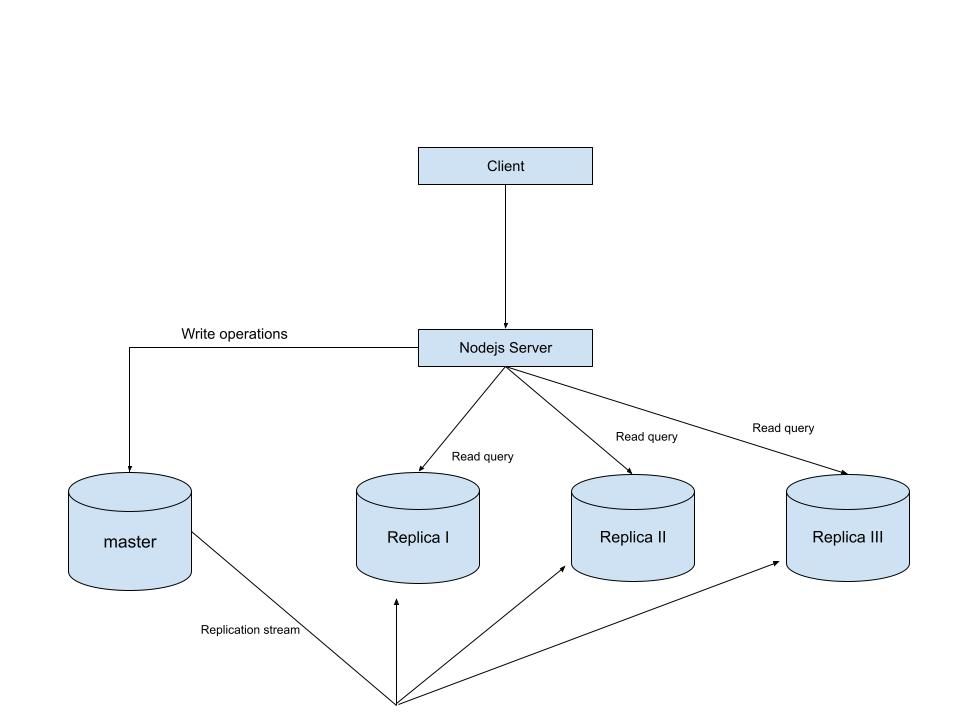
MySQL Single Leader Replication with Node.js and Docker
command: --server-id=1 --log-bin=ON The --server-id option gives each MySQL server in your replication setup its own name tag. Each one has to be unique and without it, replication won’t work at all. Another cool option not included here is binlog_format=ROW. This tells MySQL how to keep track of changes before passing them along to the replicas. By default, MySQL already uses row-based replication, but you can explicitly set it to ROW to be sure or switch it to STATEMENT if you’d rather log the actual SQL statements instead of row-by-row changes. \ Run our containers on docker Now, in the terminal, we can run the following command to spin up our database containers: docker-compose up -d \ Setting Up Our Master (Primary) Server To configure our master server, we would have to first access the running instance on docker using the following command docker exec -it mysql-master bash This command opens an interactive Bash shell inside the running Docker container named mysql-master, allowing us to run commands directly inside that container. \ Now that we’re inside the container, we can access the MySQL server and start running commands. type: mysql -uroot -p This will log you into MySQL as the root user. You’ll be prompted to enter the password you set in your docker-compose.yml file. \ Next, we need to create a special user that our replicas will use to connect to the master server and pull data. Inside the MySQL prompt, run the following commands: \ CREATE USER 'repl_user'@'%' IDENTIFIED BY 'replication_pass'; GRANT REPLICATION SLAVE ON . TO 'repl_user'@'%'; FLUSH PRIVILEGES; Here’s what’s happening: CREATE USER makes a new MySQL user called repl_user with the password replication_pass. GRANT REPLICATION SLAVE gives this user permission to act as a replication client. FLUSH PRIVILEGES tells MySQL to reload the user permissions so they take effect immediately. \ Time to Configure the Replica (Secondary) Servers a. First, let’s access the replica containers the same way we did with the master. Run this command in your terminal for each of the replica containers: \ docker exec -it <replica_container_name> bash mysql -uroot -p <replica_container_name> should be replace with the name of the replica container you are trying to setup b. Now it’s time to tell our replica where to get its data from. While inside the replica’s MySQL shell, run the following command to configure replication using the master’s details: CHANGE REPLICATION SOURCE TO SOURCE_HOST='mysql-master', SOURCE_USER='repl_user', SOURCE_PASSWORD='replication_pass', GET_SOURCE_PUBLIC_KEY=1; With the replication settings in place, let’s fire up the replica and get it syncing with the master. Still inside the MySQL shell on the replica, run: START REPLICA; This starts the replication process. To make sure everything is working, check the replica’s status with:
SHOW REPLICA STATUS\G; Look for Replica_IO_Running and Replica_SQL_Running — if both say Yes, congratulations! 🎉 Your replica is now successfully connected to the master and replicating data in real time.
Testing Our Replication Setup from the Node.js App Now that our replication is successfully set up, we can configure our Node.js server to observe the real-time effect of data being replicated from the master server to the replica server whenever we write to it. We start by installing the following dependencies:
npm i express mysql2 sequelize \ Now create a folder called src in the root directory and add the following files inside that folder connection.js, index.js and model.js. Our current directory should look like this We can now set up our connections to our master and replica server in the connection.js file as shown below
const Sequelize = require("sequelize"); const sequelize = new Sequelize({ dialect: "mysql", replication: { write: { host: "127.0.0.1", username: "root", password: "master", database: "replicaDb", }, read: [ { host: "127.0.0.1", username: "root", password: "slave", database: "replicaDb", port: 3307 }, { host: "127.0.0.1", username: "root", password: "slave", database: "replicaDb", port: 3308 }, { host: "127.0.0.1", username: "root", password: "slave", database: "replicaDb", port: 3309 }, ], }, }); async function connectdb() { try { await sequelize.authenticate(); } catch (error) { console.error("❌ unable to connect to the follower database", error); } } connectdb(); module.exports = { sequelize, }; \ We can now create a User table in the model.js file
const {DataTypes} = require("sequelize"); const { sequelize } = require("./connection"); const User = sequelize.define("User", { name: { type: DataTypes.STRING, allowNull: false, }, email: { type: DataTypes.STRING, unique: true, allowNull: false, }, }); module.exports = User \ and finally in our index.js file we can start our server and listen for connections on port 3000. from the code sample below, all inserts or updates will be routed by sequelize to the master server. while all read queries will be routed to the read replicas.
const express = require("express"); const { sequelize } = require("./connection"); const User = require("./model"); const app = express(); app.use(express.json()); async function main() { await sequelize.sync({ alter: true }); app.get("/", (req, res) => { res.status(200).json({ message: "first step to setting server up", }); }); app.post("/user", async (req, res) => { const { email, name } = req.body; let newUser = await User.build({ name, email, }); // This INSERT will go to the write (master) connection newUser = newUser.save({ returning: false }); res.status(201).json({ message: "User successfully created", }); }); app.get("/user", async (req, res) => { // This SELECT query will go to one of the read replicas const users = await User.findAll(); res.status(200).json(users); }); app.listen(3000, () => { console.log("server has connected"); }); } main(); When you make a POST request to the /users endpoint, take a moment to check both the master and replica servers to observe how data is replicated in real time. Right now, we are relying on Sequelize to automatically route requests, which works for development but isn’t robust enough for a production environment. In particular, if the master node goes down, Sequelize cannot automatically redirect requests to a newly elected leader. In the next part of this series, we’ll explore strategies to handle these challenges
