

Missouri Bitcoin Reserve Bill Clears Key Step in Legislature
Missouri lawmakers have advanced a revived proposal to create a state backed Bitcoin reserve, moving the legislation to the House Commerce Committee for further review.
Key Takeaways
- House Bill 2080 proposes the creation of a Bitcoin Strategic Reserve Fund within the state treasury.
- The Missouri State Treasurer would be allowed to invest, purchase, and hold Bitcoin using state funds, as well as accept donations.
- Bitcoin held by the state must remain in cold storage for at least five years before it can be sold or converted.
- The bill marks a second attempt after a similar proposal failed in committee last year.
What Happened?
Missouri lawmakers have referred House Bill 2080 to the House Commerce Committee after its first and second readings in January 2026. The bill, introduced by Representative Ben Keathley, outlines a framework for creating a Bitcoin Strategic Reserve Fund under the control of the Missouri State Treasurer.
If approved by the committee and later passed by both chambers, the measure would head to Governor Mike Kehoe for signature or veto. The proposed effective date is Aug. 28.
A Second Attempt at a State Bitcoin Treasury
House Bill 2080 represents the second effort by Representative Ben Keathley to establish a dedicated Bitcoin reserve for Missouri. His previous proposal, House Bill 1217, was introduced in February 2025 and received a hearing in the House Special Committee on Intergovernmental Affairs. However, it failed to advance and ultimately died in committee before the legislative session ended.
By reintroducing the concept and shifting the bill to the House Commerce Committee, lawmakers are reviving Missouri’s crypto treasury ambitions at a time when similar proposals are gaining traction across the United States.
The federal government itself created a national strategic Bitcoin reserve in 2025 following President Donald Trump’s executive order in March of that year, adding further momentum to state level discussions.
What the Bill Would Do?
Under the proposal, the Missouri State Treasurer would be authorized to:
- Accept gifts, grants, donations, bequests, or devises of Bitcoin from eligible Missouri residents or governmental entities.
- Invest, purchase, and hold cryptocurrency using state funds.
- Store Bitcoin in cold storage for at least five years from the date it enters state custody.
- Contract with a qualified, independent, United States based third party cryptocurrency entity to manage security and operations.
- Publish a biennial public report detailing fund activity.
After the five year holding period, the Bitcoin may be transferred, sold, appropriated, or converted into another cryptocurrency.
The legislation also includes a provision allowing Missouri government entities to accept digital assets approved by the Department of Revenue for payments such as taxes, fees, fines, and other obligations. However, transactions involving foreign countries or entities outside Missouri would be prohibited.
Legislative Path Forward
The House Commerce Committee will conduct a public hearing, hold a committee vote, and may recommend changes before the bill returns to the full House for debate and a final vote. If approved by the House, it would move to the Senate for committee review, floor consideration, and a vote before reaching the governor’s desk.
No date has yet been set for the public hearing.
Growing State Level Momentum
Missouri is not alone in exploring the concept of a Bitcoin reserve. Lawmakers in Kansas and Florida have advanced similar proposals, while Arizona, Texas, and New Hampshire have already passed crypto reserve legislation. In Texas and New Hampshire, public funds can be directly invested, while Arizona limits its reserve to Bitcoin obtained through seized and forfeited assets.
Asset manager VanEck previously estimated that strategic Bitcoin reserves across American states could generate more than $23 billion in demand if widely adopted.
CoinLaw’s Takeaway
In my experience covering crypto policy, this feels like more than just another symbolic bill. I see a growing shift where states are seriously exploring Bitcoin as part of long term financial strategy, not just as a speculative asset. Missouri’s requirement to hold Bitcoin in cold storage for five years shows a focus on long term value rather than short term trading.
If this bill advances further than its predecessor, it could position Missouri as a meaningful player in the evolving state level crypto movement. I believe this second attempt has stronger momentum, especially with broader national support for strategic reserves.
The post Missouri Bitcoin Reserve Bill Clears Key Step in Legislature appeared first on CoinLaw.
You May Also Like

The Stunning ASEAN Winner Emerges As Manufacturing Shifts Accelerate
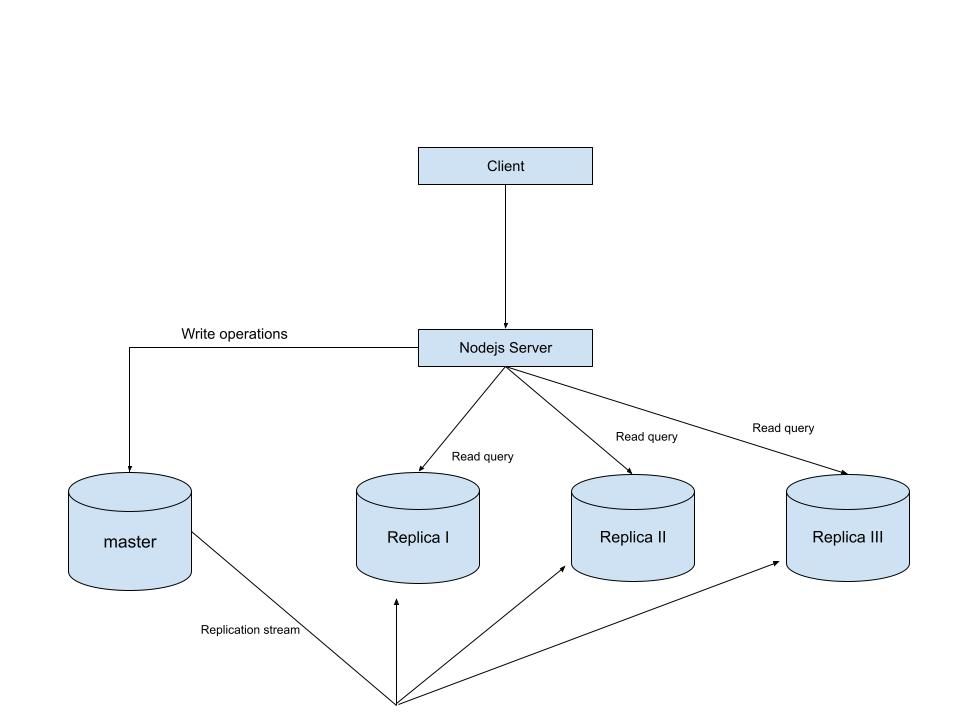
MySQL Single Leader Replication with Node.js and Docker
command: --server-id=1 --log-bin=ON The --server-id option gives each MySQL server in your replication setup its own name tag. Each one has to be unique and without it, replication won’t work at all. Another cool option not included here is binlog_format=ROW. This tells MySQL how to keep track of changes before passing them along to the replicas. By default, MySQL already uses row-based replication, but you can explicitly set it to ROW to be sure or switch it to STATEMENT if you’d rather log the actual SQL statements instead of row-by-row changes. \ Run our containers on docker Now, in the terminal, we can run the following command to spin up our database containers: docker-compose up -d \ Setting Up Our Master (Primary) Server To configure our master server, we would have to first access the running instance on docker using the following command docker exec -it mysql-master bash This command opens an interactive Bash shell inside the running Docker container named mysql-master, allowing us to run commands directly inside that container. \ Now that we’re inside the container, we can access the MySQL server and start running commands. type: mysql -uroot -p This will log you into MySQL as the root user. You’ll be prompted to enter the password you set in your docker-compose.yml file. \ Next, we need to create a special user that our replicas will use to connect to the master server and pull data. Inside the MySQL prompt, run the following commands: \ CREATE USER 'repl_user'@'%' IDENTIFIED BY 'replication_pass'; GRANT REPLICATION SLAVE ON . TO 'repl_user'@'%'; FLUSH PRIVILEGES; Here’s what’s happening: CREATE USER makes a new MySQL user called repl_user with the password replication_pass. GRANT REPLICATION SLAVE gives this user permission to act as a replication client. FLUSH PRIVILEGES tells MySQL to reload the user permissions so they take effect immediately. \ Time to Configure the Replica (Secondary) Servers a. First, let’s access the replica containers the same way we did with the master. Run this command in your terminal for each of the replica containers: \ docker exec -it <replica_container_name> bash mysql -uroot -p <replica_container_name> should be replace with the name of the replica container you are trying to setup b. Now it’s time to tell our replica where to get its data from. While inside the replica’s MySQL shell, run the following command to configure replication using the master’s details: CHANGE REPLICATION SOURCE TO SOURCE_HOST='mysql-master', SOURCE_USER='repl_user', SOURCE_PASSWORD='replication_pass', GET_SOURCE_PUBLIC_KEY=1; With the replication settings in place, let’s fire up the replica and get it syncing with the master. Still inside the MySQL shell on the replica, run: START REPLICA; This starts the replication process. To make sure everything is working, check the replica’s status with:
SHOW REPLICA STATUS\G; Look for Replica_IO_Running and Replica_SQL_Running — if both say Yes, congratulations! 🎉 Your replica is now successfully connected to the master and replicating data in real time.
Testing Our Replication Setup from the Node.js App Now that our replication is successfully set up, we can configure our Node.js server to observe the real-time effect of data being replicated from the master server to the replica server whenever we write to it. We start by installing the following dependencies:
npm i express mysql2 sequelize \ Now create a folder called src in the root directory and add the following files inside that folder connection.js, index.js and model.js. Our current directory should look like this We can now set up our connections to our master and replica server in the connection.js file as shown below
const Sequelize = require("sequelize"); const sequelize = new Sequelize({ dialect: "mysql", replication: { write: { host: "127.0.0.1", username: "root", password: "master", database: "replicaDb", }, read: [ { host: "127.0.0.1", username: "root", password: "slave", database: "replicaDb", port: 3307 }, { host: "127.0.0.1", username: "root", password: "slave", database: "replicaDb", port: 3308 }, { host: "127.0.0.1", username: "root", password: "slave", database: "replicaDb", port: 3309 }, ], }, }); async function connectdb() { try { await sequelize.authenticate(); } catch (error) { console.error("❌ unable to connect to the follower database", error); } } connectdb(); module.exports = { sequelize, }; \ We can now create a User table in the model.js file
const {DataTypes} = require("sequelize"); const { sequelize } = require("./connection"); const User = sequelize.define("User", { name: { type: DataTypes.STRING, allowNull: false, }, email: { type: DataTypes.STRING, unique: true, allowNull: false, }, }); module.exports = User \ and finally in our index.js file we can start our server and listen for connections on port 3000. from the code sample below, all inserts or updates will be routed by sequelize to the master server. while all read queries will be routed to the read replicas.
const express = require("express"); const { sequelize } = require("./connection"); const User = require("./model"); const app = express(); app.use(express.json()); async function main() { await sequelize.sync({ alter: true }); app.get("/", (req, res) => { res.status(200).json({ message: "first step to setting server up", }); }); app.post("/user", async (req, res) => { const { email, name } = req.body; let newUser = await User.build({ name, email, }); // This INSERT will go to the write (master) connection newUser = newUser.save({ returning: false }); res.status(201).json({ message: "User successfully created", }); }); app.get("/user", async (req, res) => { // This SELECT query will go to one of the read replicas const users = await User.findAll(); res.status(200).json(users); }); app.listen(3000, () => { console.log("server has connected"); }); } main(); When you make a POST request to the /users endpoint, take a moment to check both the master and replica servers to observe how data is replicated in real time. Right now, we are relying on Sequelize to automatically route requests, which works for development but isn’t robust enough for a production environment. In particular, if the master node goes down, Sequelize cannot automatically redirect requests to a newly elected leader. In the next part of this series, we’ll explore strategies to handle these challenges
