

Bitcoin Rally Faces Oil Shock as Inflation Fears Return

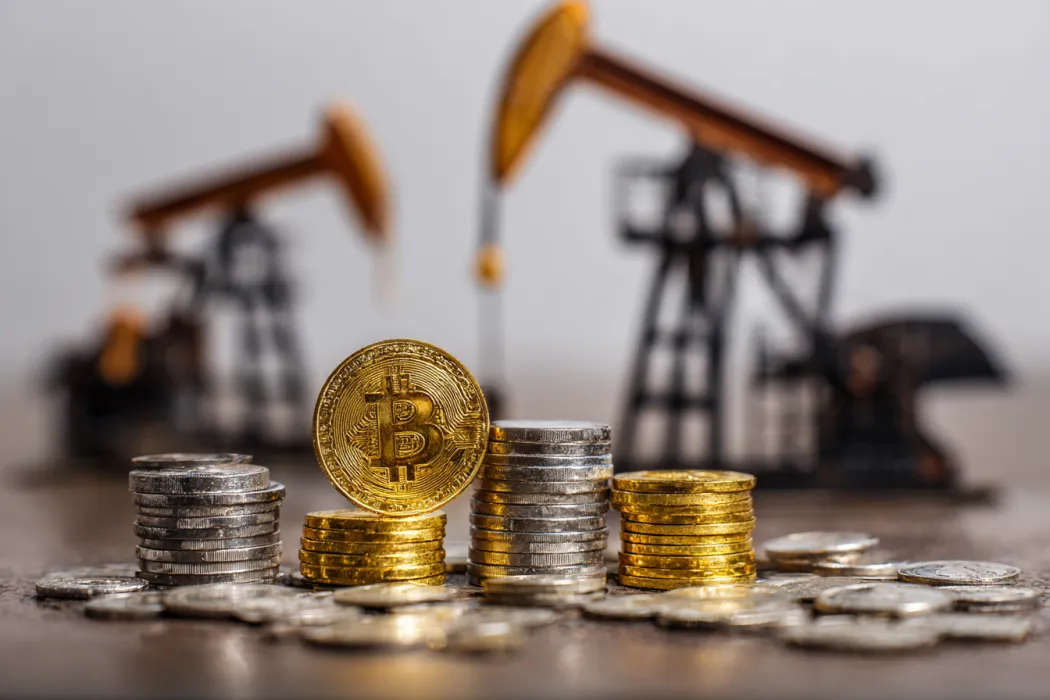
Bitcoin buyers are in control, but the wider economic picture has just changed drastically due to oil prices surging back above $100 per barrel.
The top crypto token has recovered 17% from its multi-year lows around $60,000, and according to analysts, is now seeing a relief rally. However, turning around the general downward trend requires a price of around $78,000.
There appears to be a revival of interest in Bitcoin derivatives, as recent data from CryptoQuant shows that the net taker volume for Bitcoin shows high activity from purchasers.
Since the start of the US-Iran conflict, the net taker volume, which represents the equilibrium between aggressive buyers and sellers in the futures markets, has been steadily rising.
It is plausible to infer that the futures markets have recently witnessed a resurgence of interest in cryptocurrency, given the recent jump in Bitcoin prices to $74,000.
Oil Surge Gets in the Way
But as oil prices climb to concerning levels amid rising geopolitical tensions, the recovery rally for this asset is losing momentum, with risk assets facing pressure from renewed inflation concerns.
As the market participants work to uphold the lower limits of the range, the journey towards achieving a new peak has unexpectedly grown more challenging.
The relationship between energy markets and the appetite for risk in the cryptocurrency space is becoming more pronounced, leading to a conflict between immediate demand and broader economic concerns.
However, there is one obstacle that continues to hinder progress.
According to analytics portal CryptoQuant, BTC is currently trading between $60,000 and $73,000, and this time is described as "the most frustrating phase in the cycle."
Apparent Demand showed early signs of recovery following the most recent sell-off, suggesting that astute purchasers were starting to capitalize on the price drop.
But this uptick was short-lived, and we're right back where we started in the negative.
The process hindering the resurgence of Bitcoin's value is clear-cut yet harsh. Increasing crude oil prices directly impact consumer expenses, contributing to persistent inflation.
The Federal Reserve has severely limited its options due to this week's spike in gasoline prices.
A reevaluation of the FOMC's stance in anticipation of the March meeting has been caused by the recent change in market expectations on interest rate decreases, which has had a cascade effect across risk-on assets.
All across the trade floor, you can feel the friction from this macro.
Experts have pointed out that the latest inflation figures show that the Fed has the green light to maintain interest rates higher for an extended period of time if there is any indication of sustained CPI pressure.
This has a history of reducing liquidity in the cryptocurrency markets.
This isn't just some abstract worry; the present "risk-off" trend in futures markets proves it.
Traders in the market are reacting in real time.
Crypto traders are increasingly looking for ways to reduce their exposure to physical commodities, and recent data shows that Hyperliquid saw a jump in activity following an uptick in oil trading.
As oil surpasses the significant $100/bbl mark, the ensuing volatility may diminish the momentum required to propel BTC past its overhead resistance levels.
Long-Term Investors Bet Big
Despite the challenging landscape depicted by macroeconomic indicators, the on-chain data indicate that a significant supply shock is quietly developing.
These days, long-term investors hold around 73% of the whole supply.
This shows that seasoned professionals are being more methodical in their approach, whereas novice folks are selling off their assets impulsively in response to the oil news.
The establishment of a significant support cluster is particularly noteworthy: approximately 8% of the circulating supply, or 1.558 million BTC, was obtained within the $60,000 to $70,000 range.
This creates a solid foundation that reduces the likelihood of a substantial correction compared to earlier cycles.
The dynamics of institutional flows add complexity to the bearish outlook.
Despite the fluctuations in oil prices affecting the S&P 500, Bitcoin has emerged since the US-Iran conflict, indicating a possible separation where BTC is recognized as a unique safeguard rather than merely a volatile tech asset.
That suggests astute investors are seeing past the short-term volatility and anticipating the eventual emergence of monetary growth in the wake of supply disruptions.
Sellers' pressure is also easing. There is less currency available to sell in case of a market panic, since current exchange reserves have hit their lowest levels in years.
Most of the doubtful investors have already left, leaving behind a group of people who are quite bullish on the market.
Currently, Bitcoin's price chart indicates a tactical battle within a narrowing range. The token is hovering near the $70,000 psychological threshold, yet the true turning point lies just beyond that mark.
At $71,600, BTC should be observed carefully as it represents an important threshold of resistance.
The ongoing short-term bearish divergence triggered by the oil shock has the potential to be reversed if buyers manage to sustain market closures above this level consistently each day.
On the other hand, if the broader economic challenges become overwhelming, not maintaining the $68,500 local support level could lead to significant consequences.
Falling below this threshold could potentially initiate a wave of long liquidations, pushing the price down to $60,000 and significantly testing the last local barrier for immediate support.
Amid geopolitical developments, Bitcoin has shown remarkable strength, surpassing gold and conventional stocks during the recent US-Israeli conflict involving Iran.
Cryptocurrency equities have seen gains, thanks to their capacity for trading around the clock, free from the constraints of traditional banking hours.
Blockcast – Licensed to Shill: Designing Decentralization: Governance, Power, and the Validator Problem
This episode examines what happens when decentralization moves from whitepaper language to operational reality. Tanisha Katara joins the discussion to unpack three structural tensions inside modern crypto governance: validator power concentration, voter apathy, and the emerging role of AI agents in decision-making systems.
If you enjoyed this episode, please like and subscribe to Blockcast on your favorite podcast platforms like Spotify and Apple.
Blockcast is hosted by Head of APAC at Ledger, Takatoshi Shibayama. Previous episodes of Blockcast can be found here, with guests like Fredrick Gregaard (Cardano Foundation), Daren Guo (Reap), Yat Siu (Animoca Brands), Kean Gilbert (Lido), Joey Isaacson (Nook), Kapil Dhiman (Quranium) Eric van Miltenburg (Ripple), Davide Menegaldo (Neon EVM), Anastasia Plotnikova (Fideum), Jeremy Tan (Singapore parliament candidate), Hassan Ahmed (Coinbase) and more on our recent shows.
Be at the heart of TradFi–DeFi collaboration at Money20/20 Asia 2026.

Are you looking to forge partnerships with banks and fintechs? To expand into new markets across Asia, or to secure funding from top-tier investors? This April, the world of digital assets, blockchain, and Web3 converges with the biggest players in APAC’s financial ecosystem at Money20/20 Asia 2026 and its brand new ‘Intersection’ zone, complete with a dedicated content stage, TradFi-Defi innovator showcase, and curated networking spaces. From traditional banking giants to decentralised innovators, private equity leaders, and cutting-edge fintech disruptors, this is where they meet to forge partnerships, spark dialogue, and shape the future of finance.
You May Also Like

Spot Demand Rises as Bull Flag Breaks

XRP Stabilizes After Correction While Open Interest Cools
