

US Forces Intercept Iranian Drones Targeting Shipping in the Strait of Hormuz
BitcoinWorld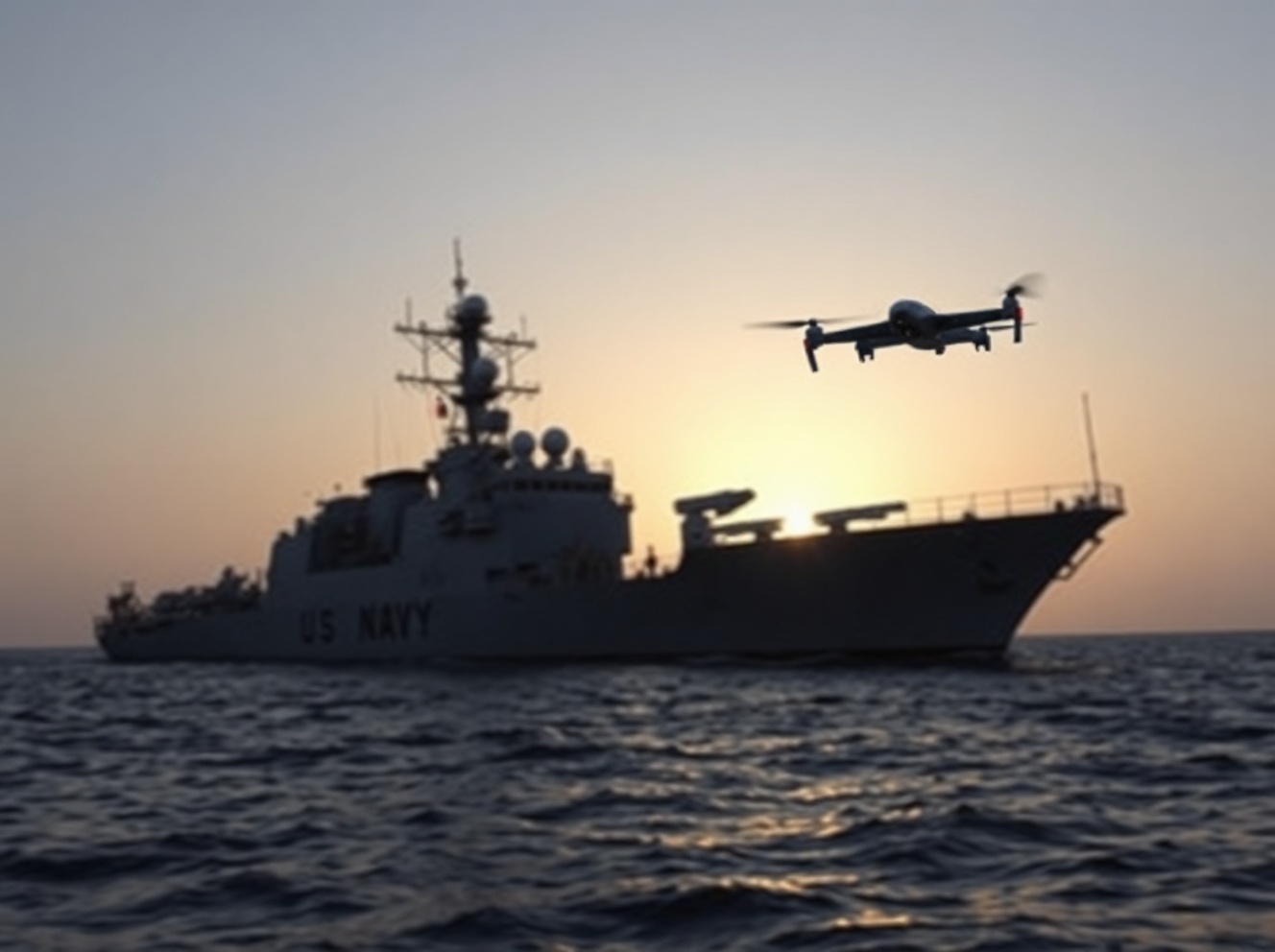
US Forces Intercept Iranian Drones Targeting Shipping in the Strait of Hormuz
In a significant escalation of maritime tensions, US military forces intercepted multiple Iranian drones that were actively targeting commercial shipping in the strategic Strait of Hormuz. The operation, confirmed by US Central Command, underscores the ongoing volatility in one of the world’s most critical chokepoints for global oil and gas transit.
Details of the Interception
According to official statements, US naval assets deployed in the region detected and tracked the unmanned aerial vehicles (UAVs) as they approached a convoy of merchant vessels. The drones, operated by Iran’s Islamic Revolutionary Guard Corps (IRGC) Navy, were assessed to be on a reconnaissance and potential attack mission. US forces employed electronic warfare measures and, where necessary, kinetic intercepts to neutralize the threat, ensuring no damage to commercial shipping or US assets.
Strategic Importance of the Strait of Hormuz
The Strait of Hormuz connects the Persian Gulf with the Gulf of Oman and the Arabian Sea. Approximately 20% of the world’s oil passes through this narrow waterway, making it a focal point for geopolitical tensions. Iran has periodically threatened to disrupt shipping through the strait as a lever in its regional disputes. The recent drone activity marks a notable shift from previous harassment tactics, such as speedboat swarms, to more sophisticated unmanned systems capable of persistent surveillance and precision strikes.
Implications for Regional Security
This incident is likely to heighten concerns among Gulf Cooperation Council (GCC) states and international maritime insurers. The use of drones against commercial shipping introduces a new layer of complexity for naval forces operating in the region. It also raises questions about the effectiveness of existing naval patrols and the need for enhanced counter-UAV capabilities. For global energy markets, any sustained disruption to shipping in the strait could lead to price volatility and supply chain uncertainties.
Conclusion
The US interception of Iranian drones in the Strait of Hormuz represents a clear demonstration of force protection and commitment to freedom of navigation. While no casualties or damage were reported, the incident serves as a stark reminder of the fragile security environment in the region. Continued monitoring and diplomatic efforts will be essential to prevent further escalation and ensure the safe passage of commercial traffic through this vital waterway.
FAQs
Q1: What exactly happened in the Strait of Hormuz?
US military forces intercepted several Iranian drones that were targeting commercial shipping. The drones were neutralized using electronic warfare and, in some cases, kinetic measures, preventing any attack on merchant vessels.
Q2: Why is the Strait of Hormuz so important?
It is a critical maritime chokepoint through which about 20% of the world’s oil and a significant share of LNG pass. Any disruption to shipping there can have major impacts on global energy prices and supply chains.
Q3: How does this affect global shipping and oil markets?
While the immediate impact was contained, the incident increases risk premiums for shipping insurance and could lead to higher oil price volatility if such threats become more frequent. Markets will watch for any signs of sustained disruption.
This post US Forces Intercept Iranian Drones Targeting Shipping in the Strait of Hormuz first appeared on BitcoinWorld.


You May Also Like

Crypto Futures Liquidations Spike: $77 Million in BTC Shorts Wiped Out in 24 Hours

GOP election expert slams top MAGA election demand: 'Asinine in the extreme'

Robotics Automation Prototyping: Engineering Kinetic Agility into End-Effectors



