

Tom Lee’s BitMine Adds $98M in ETH, Now Holds 3.66% of Supply
BitMine Immersion Technologies has purchased another 51,162 Ethereum, pushing its total holdings to 4.42 million ETH even as prices fall sharply.
Key Takeaways
- BitMine bought 51,162 ETH worth about $98 million last week.
- Total holdings now stand at 4,422,659 ETH, or 3.66% of Ethereum’s total supply.
- The company holds $9.6 billion in combined crypto, cash, and strategic investments.
- Despite more than $8 billion in unrealized losses, the firm continues to accumulate.
What Happened?
BitMine Immersion Technologies announced that it acquired 51,162 ETH over the past week, increasing its total Ethereum holdings to 4,422,659 tokens as of February 22, 2026. The purchase comes as Ethereum trades near a two week low, reflecting continued pressure across the broader crypto market.
The company now controls approximately 3.66% of Ethereum’s circulating supply, reinforcing its position as the largest Ethereum treasury in the world.
BitMine Doubles Down During Market Weakness
Ethereum has fallen sharply in recent weeks. The asset declined more than 4% over the past seven days and recently dropped to $1,855 before rebounding slightly to trade around $1,905 to $1,918. The token is now down more than 61% from its August 2025 all time high of $4,946 and 35% over the past month.
Despite the downturn, BitMine continues to buy.
BitMine Chairman Thomas Lee said:
The latest purchase brings the company’s Ethereum stash to 4,422,659 ETH. At roughly $1,958 per token, that holding is valued near $8.4 billion to $8.6 billion depending on market price fluctuations.
However, data from DropsTab shows BitMine has accumulated more than $16 billion worth of ETH over time, meaning unrealized losses now exceed $8 billion.
$9.6 Billion in Total Holdings
Beyond Ethereum, BitMine’s broader balance sheet shows substantial liquidity and strategic investments. As of February 22, 2026, the company reports:
- 4,422,659 ETH
- 193 Bitcoin
- $691 million in cash
- $200 million investment in Beast Industries
- $17 million stake in Eightco Holdings
In total, BitMine’s crypto, cash, and what it calls “moonshots” amount to approximately $9.6 billion.
The company has also staked 3,040,483 ETH, representing about $6.0 billion at recent prices. Annualized staking revenues are currently around $171 million. At full scale deployment of its Made in America Validator Network, known as MAVAN, projected for early 2026, staking rewards could reach approximately $249 million annually based on recent yield rates.
BitMine reports that 69% of its ETH holdings are currently staked, generating a 7 day yield of 2.89%, slightly above the Composite Ethereum Staking Rate of 2.81%.
Long Term Vision for Ethereum
Lee has repeatedly expressed confidence that Ethereum is positioned for long term growth, citing tokenization efforts on Wall Street, the rise of artificial intelligence agents operating on blockchain networks, and the expansion of the creator economy as key drivers.
He has previously described 2026 as a defining year for Ethereum as it becomes further integrated into traditional finance.
CoinLaw’s Takeaway
In my experience, conviction during downturns often separates bold strategies from cautious ones. What stands out here is not just the size of BitMine’s Ethereum bet, but the speed and persistence of its accumulation. Buying aggressively while sitting on billions in unrealized losses is not for the faint of heart.
I found it especially notable that nearly 70% of its ETH is already staked, generating meaningful yield even in a weak market. That tells me this is not a short term trade. It is a structured treasury strategy built around long term belief in Ethereum’s role in finance.
Whether that conviction pays off will depend largely on how Ethereum performs in 2026 and beyond. For now, BitMine is clearly betting big that the current downturn is temporary.
The post Tom Lee’s BitMine Adds $98M in ETH, Now Holds 3.66% of Supply appeared first on CoinLaw.
You May Also Like

The Stunning ASEAN Winner Emerges As Manufacturing Shifts Accelerate
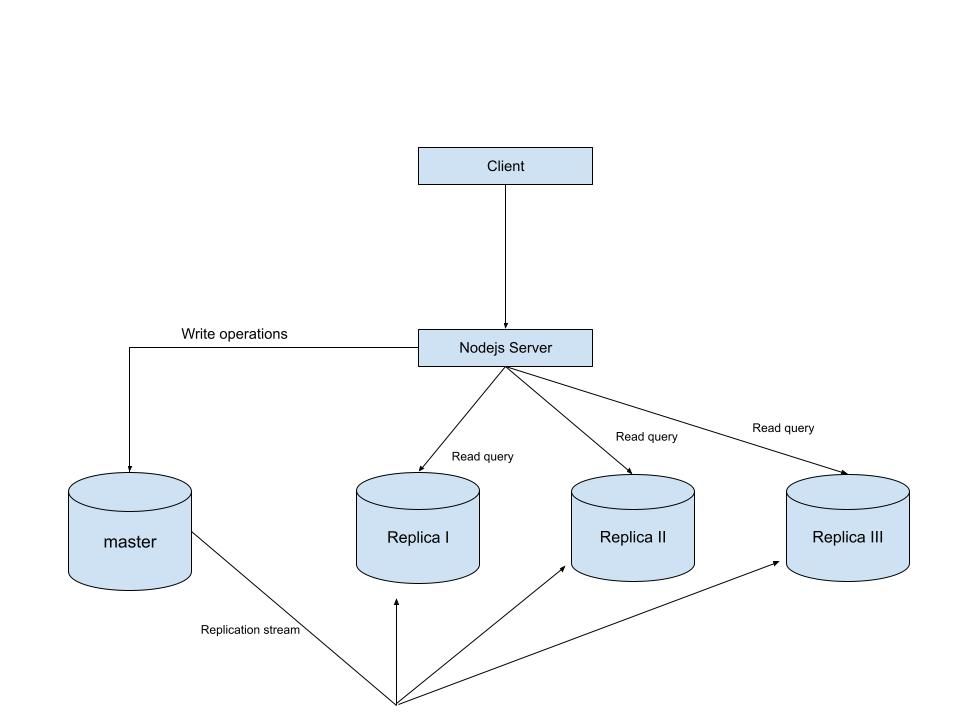
MySQL Single Leader Replication with Node.js and Docker
command: --server-id=1 --log-bin=ON The --server-id option gives each MySQL server in your replication setup its own name tag. Each one has to be unique and without it, replication won’t work at all. Another cool option not included here is binlog_format=ROW. This tells MySQL how to keep track of changes before passing them along to the replicas. By default, MySQL already uses row-based replication, but you can explicitly set it to ROW to be sure or switch it to STATEMENT if you’d rather log the actual SQL statements instead of row-by-row changes. \ Run our containers on docker Now, in the terminal, we can run the following command to spin up our database containers: docker-compose up -d \ Setting Up Our Master (Primary) Server To configure our master server, we would have to first access the running instance on docker using the following command docker exec -it mysql-master bash This command opens an interactive Bash shell inside the running Docker container named mysql-master, allowing us to run commands directly inside that container. \ Now that we’re inside the container, we can access the MySQL server and start running commands. type: mysql -uroot -p This will log you into MySQL as the root user. You’ll be prompted to enter the password you set in your docker-compose.yml file. \ Next, we need to create a special user that our replicas will use to connect to the master server and pull data. Inside the MySQL prompt, run the following commands: \ CREATE USER 'repl_user'@'%' IDENTIFIED BY 'replication_pass'; GRANT REPLICATION SLAVE ON . TO 'repl_user'@'%'; FLUSH PRIVILEGES; Here’s what’s happening: CREATE USER makes a new MySQL user called repl_user with the password replication_pass. GRANT REPLICATION SLAVE gives this user permission to act as a replication client. FLUSH PRIVILEGES tells MySQL to reload the user permissions so they take effect immediately. \ Time to Configure the Replica (Secondary) Servers a. First, let’s access the replica containers the same way we did with the master. Run this command in your terminal for each of the replica containers: \ docker exec -it <replica_container_name> bash mysql -uroot -p <replica_container_name> should be replace with the name of the replica container you are trying to setup b. Now it’s time to tell our replica where to get its data from. While inside the replica’s MySQL shell, run the following command to configure replication using the master’s details: CHANGE REPLICATION SOURCE TO SOURCE_HOST='mysql-master', SOURCE_USER='repl_user', SOURCE_PASSWORD='replication_pass', GET_SOURCE_PUBLIC_KEY=1; With the replication settings in place, let’s fire up the replica and get it syncing with the master. Still inside the MySQL shell on the replica, run: START REPLICA; This starts the replication process. To make sure everything is working, check the replica’s status with:
SHOW REPLICA STATUS\G; Look for Replica_IO_Running and Replica_SQL_Running — if both say Yes, congratulations! 🎉 Your replica is now successfully connected to the master and replicating data in real time.
Testing Our Replication Setup from the Node.js App Now that our replication is successfully set up, we can configure our Node.js server to observe the real-time effect of data being replicated from the master server to the replica server whenever we write to it. We start by installing the following dependencies:
npm i express mysql2 sequelize \ Now create a folder called src in the root directory and add the following files inside that folder connection.js, index.js and model.js. Our current directory should look like this We can now set up our connections to our master and replica server in the connection.js file as shown below
const Sequelize = require("sequelize"); const sequelize = new Sequelize({ dialect: "mysql", replication: { write: { host: "127.0.0.1", username: "root", password: "master", database: "replicaDb", }, read: [ { host: "127.0.0.1", username: "root", password: "slave", database: "replicaDb", port: 3307 }, { host: "127.0.0.1", username: "root", password: "slave", database: "replicaDb", port: 3308 }, { host: "127.0.0.1", username: "root", password: "slave", database: "replicaDb", port: 3309 }, ], }, }); async function connectdb() { try { await sequelize.authenticate(); } catch (error) { console.error("❌ unable to connect to the follower database", error); } } connectdb(); module.exports = { sequelize, }; \ We can now create a User table in the model.js file
const {DataTypes} = require("sequelize"); const { sequelize } = require("./connection"); const User = sequelize.define("User", { name: { type: DataTypes.STRING, allowNull: false, }, email: { type: DataTypes.STRING, unique: true, allowNull: false, }, }); module.exports = User \ and finally in our index.js file we can start our server and listen for connections on port 3000. from the code sample below, all inserts or updates will be routed by sequelize to the master server. while all read queries will be routed to the read replicas.
const express = require("express"); const { sequelize } = require("./connection"); const User = require("./model"); const app = express(); app.use(express.json()); async function main() { await sequelize.sync({ alter: true }); app.get("/", (req, res) => { res.status(200).json({ message: "first step to setting server up", }); }); app.post("/user", async (req, res) => { const { email, name } = req.body; let newUser = await User.build({ name, email, }); // This INSERT will go to the write (master) connection newUser = newUser.save({ returning: false }); res.status(201).json({ message: "User successfully created", }); }); app.get("/user", async (req, res) => { // This SELECT query will go to one of the read replicas const users = await User.findAll(); res.status(200).json(users); }); app.listen(3000, () => { console.log("server has connected"); }); } main(); When you make a POST request to the /users endpoint, take a moment to check both the master and replica servers to observe how data is replicated in real time. Right now, we are relying on Sequelize to automatically route requests, which works for development but isn’t robust enough for a production environment. In particular, if the master node goes down, Sequelize cannot automatically redirect requests to a newly elected leader. In the next part of this series, we’ll explore strategies to handle these challenges
