Strait of Hormuz Fees: Iran’s Controversial $2M Passage Charge Shakes Global Shipping
BitcoinWorld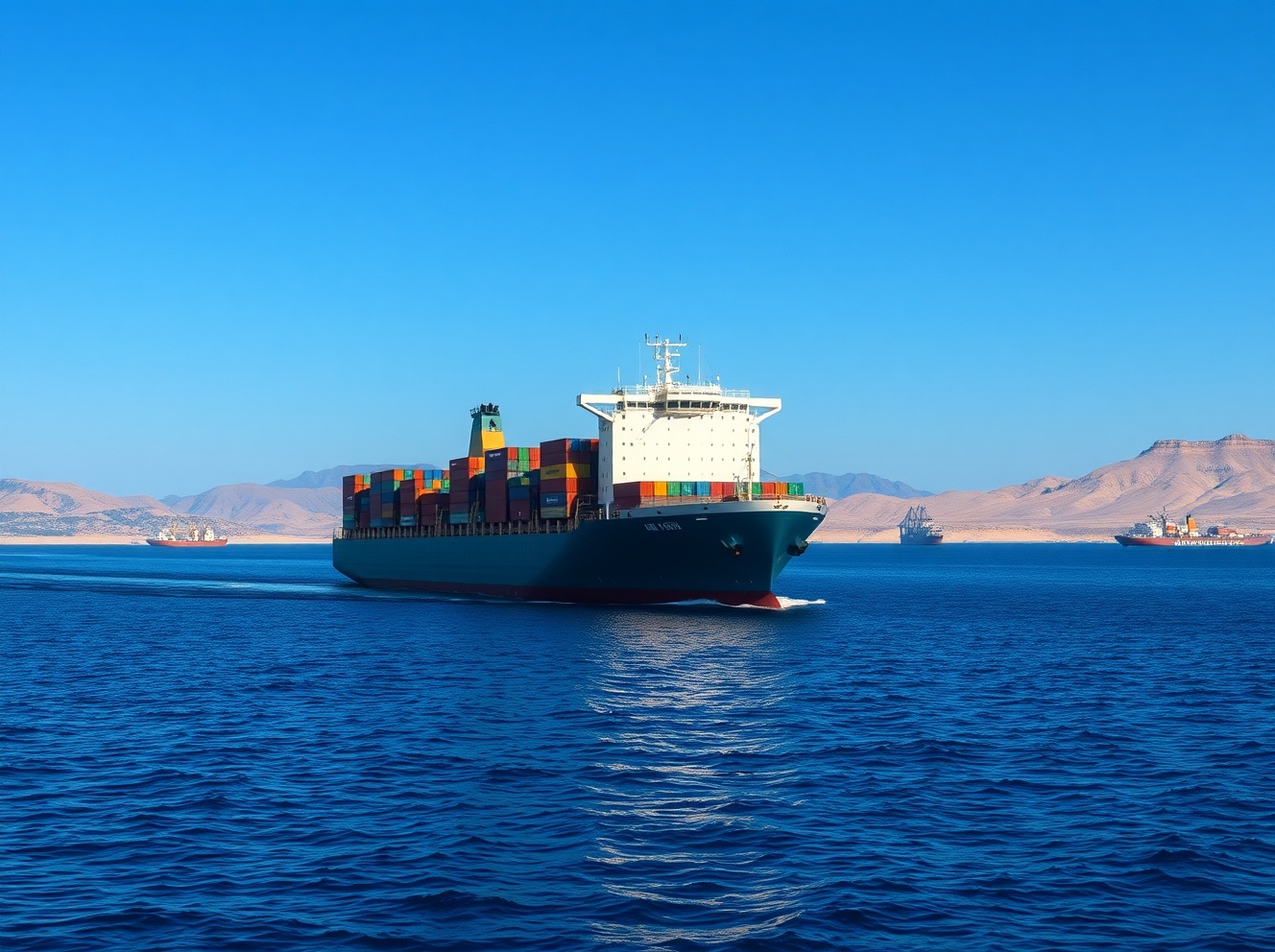
Strait of Hormuz Fees: Iran’s Controversial $2M Passage Charge Shakes Global Shipping
TEHRAN, Iran – March 2025 – Iran has begun imposing passage fees of up to $2 million on select commercial vessels transiting the Strait of Hormuz, according to a recent report by Walter Bloomberg. This strategic waterway, often described as the world’s most important oil transit chokepoint, now faces new financial barriers that could significantly impact global energy markets and maritime trade. The fees, reportedly demanded on an arbitrary, case-by-case basis rather than through a formalized tariff system, introduce substantial uncertainty for shipping companies navigating these crucial waters.
Strait of Hormuz Fees: Understanding the New Financial Barrier
The Strait of Hormuz represents a narrow maritime passage between the Persian Gulf and the Gulf of Oman. Furthermore, this 21-mile wide channel serves as a transit route for approximately 21 million barrels of oil daily. Consequently, this volume represents about 21% of global petroleum consumption. Iran’s new fee structure, reaching up to $2 million per vessel, creates a significant additional cost for energy transportation.
Shipping industry analysts confirm that the fees appear selective rather than universal. For instance, tankers carrying crude oil from Gulf Cooperation Council countries might face different assessments than container ships or liquefied natural gas carriers. The required payment currency remains undisclosed, though regional experts speculate transactions might involve Iranian rials, euros, or cryptocurrencies to circumvent international sanctions.
Key aspects of the new fee system include:
- Case-by-case assessment without published criteria
- Maximum reported fee of $2 million per transit
- Unclear payment mechanisms and currency requirements
- Selective application to specific vessel types and operators
Historical Context of Maritime Transit in the Persian Gulf
Iran’s relationship with international shipping through the Strait of Hormuz has experienced multiple tensions over decades. Previously, the United Nations Convention on the Law of the Sea established transit passage rights through international straits. However, Iran has historically claimed broader territorial waters than internationally recognized. This legal ambiguity now provides context for the current fee implementation.
Maritime law experts reference the 1982 UNCLOS treaty, which guarantees innocent passage through territorial seas. Nevertheless, the convention allows coastal states to adopt laws relating to transit safety and environmental protection. Iran potentially leverages these provisions to justify its new financial requirements. Regional precedents include Egypt’s Suez Canal Authority, which charges standardized transit fees based on vessel size and type, creating a transparent system unlike Iran’s current approach.
Economic Impacts on Global Energy Markets
The Strait of Hormuz serves as the primary export route for petroleum from Saudi Arabia, Iran, the United Arab Emirates, Kuwait, and Iraq. Therefore, additional transit costs inevitably translate to higher global oil prices. Energy economists project that sustained $2 million fees could add $0.50 to $1.50 per barrel of oil, depending on vessel size and routing alternatives.
Shipping companies currently face difficult calculations. They must decide whether to absorb the costs, pass them to consumers, or reroute vessels around the Arabian Peninsula. The latter option involves significantly longer journeys through the Bab el-Mandeb Strait and around Africa, increasing both time and fuel expenses. Major energy corporations, including Saudi Aramco and ExxonMobil, monitor the situation closely as they evaluate supply chain adjustments.
| Waterway | Managing Authority | Typical Fee Range | Fee Transparency |
|---|---|---|---|
| Strait of Hormuz | Iran (partial control) | Up to $2M (new) | Low |
| Suez Canal | Suez Canal Authority (Egypt) | $200K-$700K | High |
| Panama Canal | Panama Canal Authority | $100K-$500K | High |
| Strait of Malacca | Indonesia/Malaysia/Singapore | Pilotage fees only | High |
Geopolitical Implications and Regional Security Concerns
Iran’s unilateral fee implementation occurs against a backdrop of ongoing regional tensions. The United States Fifth Fleet, based in Bahrain, maintains a continuous presence in the Persian Gulf. Additionally, regional powers like Saudi Arabia and the United Arab Emirates have previously expressed concerns about freedom of navigation. International response remains measured, with diplomatic channels reportedly active behind the scenes.
Naval analysts note that Iran’s Islamic Revolutionary Guard Corps Navy maintains significant assets near the strait. These include fast attack craft, missile batteries, and surveillance systems. Consequently, commercial vessels might perceive pressure to comply with fee demands despite legal questions. The International Maritime Organization has yet to issue formal guidance, though member states likely discuss the matter during private consultations.
Regional stakeholders monitoring the situation:
- Gulf Cooperation Council member states
- International Energy Agency members
- Lloyd’s of London insurance market
- International Chamber of Shipping
- United Nations Security Council members
Legal Perspectives on Transit Passage Rights
Maritime law specialists emphasize that customary international law generally prohibits unilateral tolls on transit passage through international straits. The 1982 UNCLOS specifically addresses this issue in Part III. However, Iran has signed but not ratified the convention, creating legal ambiguity. Precedent cases, including the Corfu Channel dispute of 1949, established that states cannot arbitrarily interfere with innocent passage.
Legal experts suggest affected shipping companies might challenge the fees through international arbitration. Alternatively, flag states could pursue diplomatic protection for their vessels. The International Tribunal for the Law of the Sea possesses jurisdiction over such disputes if both parties accept its authority. Meanwhile, practical compliance often precedes legal resolution in tense maritime environments.
Operational Challenges for Commercial Shipping
Shipping companies now face operational uncertainty when planning Persian Gulf transits. The arbitrary nature of the fee assessment complicates voyage budgeting and contract negotiations. Charter parties typically include clauses addressing unexpected port charges, but unprecedented transit fees create contractual gray areas. Insurance providers similarly evaluate whether war risk premiums should reflect this new financial exposure.
Vessel tracking data indicates normal traffic volumes continue through the strait currently. However, shipping executives report increased contingency planning for alternative routes. The Cape of Good Hope diversion adds approximately 15 days to Asia-Europe voyages, significantly increasing fuel consumption and delaying deliveries. Container shipping, already facing schedule reliability challenges, might experience further disruptions from rerouting decisions.
Conclusion
Iran’s imposition of up to $2 million in Strait of Hormuz fees represents a significant development for global maritime trade and energy security. The arbitrary, case-by-case application without transparent procedures creates uncertainty for commercial shipping through this vital chokepoint. While the immediate impact on oil prices remains moderate, sustained implementation could reshape routing decisions and supply chain logistics. The international community continues monitoring the situation as diplomatic, legal, and commercial responses develop. Ultimately, the stability of this crucial waterway affects global economic stability, making resolution of these transit fee issues imperative for all trading nations.
FAQs
Q1: Why is the Strait of Hormuz so important for global trade?
The Strait of Hormuz serves as the primary maritime passage for petroleum exports from the Persian Gulf. Approximately 21 million barrels of oil transit daily through this narrow waterway, representing about one-fifth of global oil consumption and one-third of seaborne traded oil.
Q2: What legal authority does Iran have to charge these transit fees?
International law governing transit passage through straits remains contested. While customary law and the UN Convention on the Law of the Sea generally prohibit unilateral tolls, Iran has not ratified the convention and claims broader territorial waters than internationally recognized, creating legal ambiguity.
Q3: How are shipping companies responding to these new fees?
Shipping companies currently evaluate multiple responses, including absorbing costs, passing them to consumers, rerouting vessels, or challenging the fees legally. Most continue transiting the strait while increasing contingency planning for alternative routes around Africa.
Q4: What alternative routes exist for avoiding the Strait of Hormuz?
The primary alternative involves sailing around the Arabian Peninsula and Africa via the Cape of Good Hope. This adds approximately 15 days to Asia-Europe voyages and significantly increases fuel consumption, making it economically viable only with sustained high fees or security concerns.
Q5: How might these fees affect global oil prices?
Energy economists estimate that sustained $2 million fees could add $0.50 to $1.50 per barrel of oil, depending on vessel size and routing decisions. The impact remains moderate initially but could increase if fees become standardized or if significant rerouting occurs.
This post Strait of Hormuz Fees: Iran’s Controversial $2M Passage Charge Shakes Global Shipping first appeared on BitcoinWorld.
You May Also Like

Why It Could Outperform Pepe Coin And Tron With Over $7m Already Raised
Trump sets stage for a 'post-America world': NYT reporter