

Uber drivers in South Africa demand fare adjustment, reduced commission amid fuel price hike
Uber and Bolt drivers operating under the umbrella of the National e-hailing Federation of South Africa (NEFSA), have demanded an increase in fare prices to reflect fluctuating fuel prices across the globe.
This was disclosed in a chat with Technext by the spokesperson of the federation, Tella Makasale.
Read also: A chat with SA e-hailing leader, Uhuru Lekgokwane, about racism in vehicle financing
The NEFSA is also demanding a percentage reduction in the commissions charged by e-hailing companies as the reality of fuel prices has put the drivers under immense pressure. Replying to what the way forward is, the spokesperson said the solution is not only about increasing fares but also about fairness and what is sustainable.
“Our key demands typically include a transparent fare adjustment model linked to fuel price fluctuations, reduced commission percentages during high fuel cost periods, inclusion of driver representatives in pricing discussions, and protection mechanisms for drivers against extreme cost volatility,” Mr Makasale said.
 Tella Masakale
He also pointed out that in practice, previous fare increases in South Africa have not consistently or proportionally matched the sharp rise in fuel prices. While platforms like Uber and Bolt occasionally introduce minor adjustments — often through surge pricing or temporary fare tweaks — these are algorithm-driven and demand-based, not structured responses to fuel hikes.
He explained that for drivers, this creates a disconnect. Fuel prices increase steadily and globally but fares remain largely controlled by platform algorithms with limited transparency. As a result, many drivers feel that fare adjustments lag behind real operating costs, leaving them to absorb the difference.
“The issue of rising global fuel prices is not theoretical, it is deeply personal, immediate, and financially straining for drivers. While passengers may see fluctuating fares on their apps, drivers experience the real cost at the pump every single day,” he said.
Global fuel prices’ toll on drivers vs Uber and Bolt apathy
Mr Makasale went on to describe the energy situation as deeply worrying, stating that the concern is widespread across the industry.
He noted that this is because fuel is one of the largest operating expenses for e-hailing drivers, and exorbitant fuel prices cut to the core of driver sustainability.
“When fuel prices rise daily profit margins shrink immediately and drivers are forced to work longer hours just to break even. Vehicle wear-and-tear increases without corresponding income growth. This has led to reduced take-home earnings, increased debt pressure, especially for financed vehicles, and growing frustration with platform commission structures. In simple terms: drivers are earning less while working more,” he said.
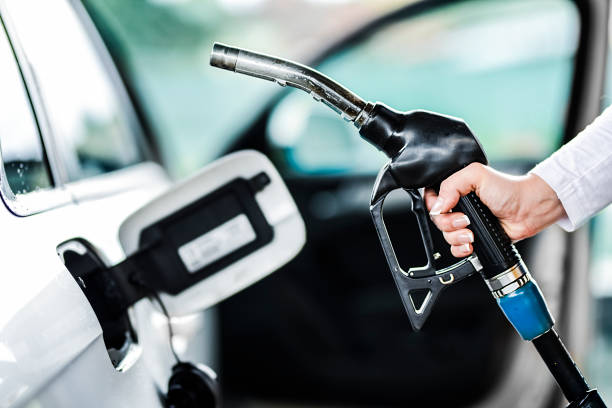 A hand holding a pistol or nozzle pump prepares to refuel a car with gasoline.
He noted that from a NEFSA standpoint, the situation raises three major risks. The first is the risk of driver attrition as many drivers are leaving the platforms because the model is becoming unsustainable.
The other risk pertains to service instability because as a result of the exodus of drivers, fewer drivers means longer wait times and reduced service quality. Finally, there is industry tension as growing dissatisfaction is increasing the likelihood of protests and organised action.
The NEFSA spokesperson said there have been attempts to engage platforms such as Uber and Bolt through driver associations and unions, organised shutdowns and protests. He said they have also tried formal communications requesting fare reviews and reduced commission rates. However, drivers often feel that engagement is slow, non-transparent and not resulting in meaningful change.
“The rising cost of fuel is not just an economic issue. It is a livelihood crisis for e-hailing drivers in South Africa. While passengers may absorb occasional fare increases, drivers are absorbing sustained financial pressure,” Mr Makasale said.
 NEFSA logo
He noted that without meaningful intervention from app companies, Uber and Bolt, regulators, and industry stakeholders, the current model risks becoming unsustainable, not just for drivers, but for the entire e-hailing ecosystem.
“From the ground level, the message is clear: If fuel prices rise, fares must respond — or the system will eventually fail the very people who keep it running,” he concluded.
The post Uber drivers in South Africa demand fare adjustment, reduced commission amid fuel price hike first appeared on Technext.
You May Also Like

USDC Treasury mints 250 million new USDC on Solana
Sneak peek: blockchain meets contemporary art at Tezos Berlin


