

NCC appoints Princess Emiko as the Interim Chairman of Digital Bridge Institute
The Nigerian Communications Commission (NCC) has appointed Princess Oforitsenere Emiko as Interim Chairman of the governing board of the Digital Bridge Institute (DBI). The reorganisation seeks to reposition the institute’s direction in the wake of technological advancement.
According to a disclosure made via NCC’s press statement on Monday, the development will refocus the DBI for the next era of Nigeria’s communications sector. It also comes when Nigeria is aiming for a $1 trillion digital economy.
Princess Emiko, who takes over from Rt. Hon. Olusegun Bolanle Gbeleyi, will be joined on the governing board by Engr. Abraham Oshadami, Executive Commissioner, Technical Services, and Ms Rimini Makama, Executive Commissioner, Stakeholder Management, who joined as interim Board members.
While interim, the members will work alongside the President/CEO, Mr David Daser, and the remaining board members whose tenures are unexpired, to drive the Institute’s transformation.
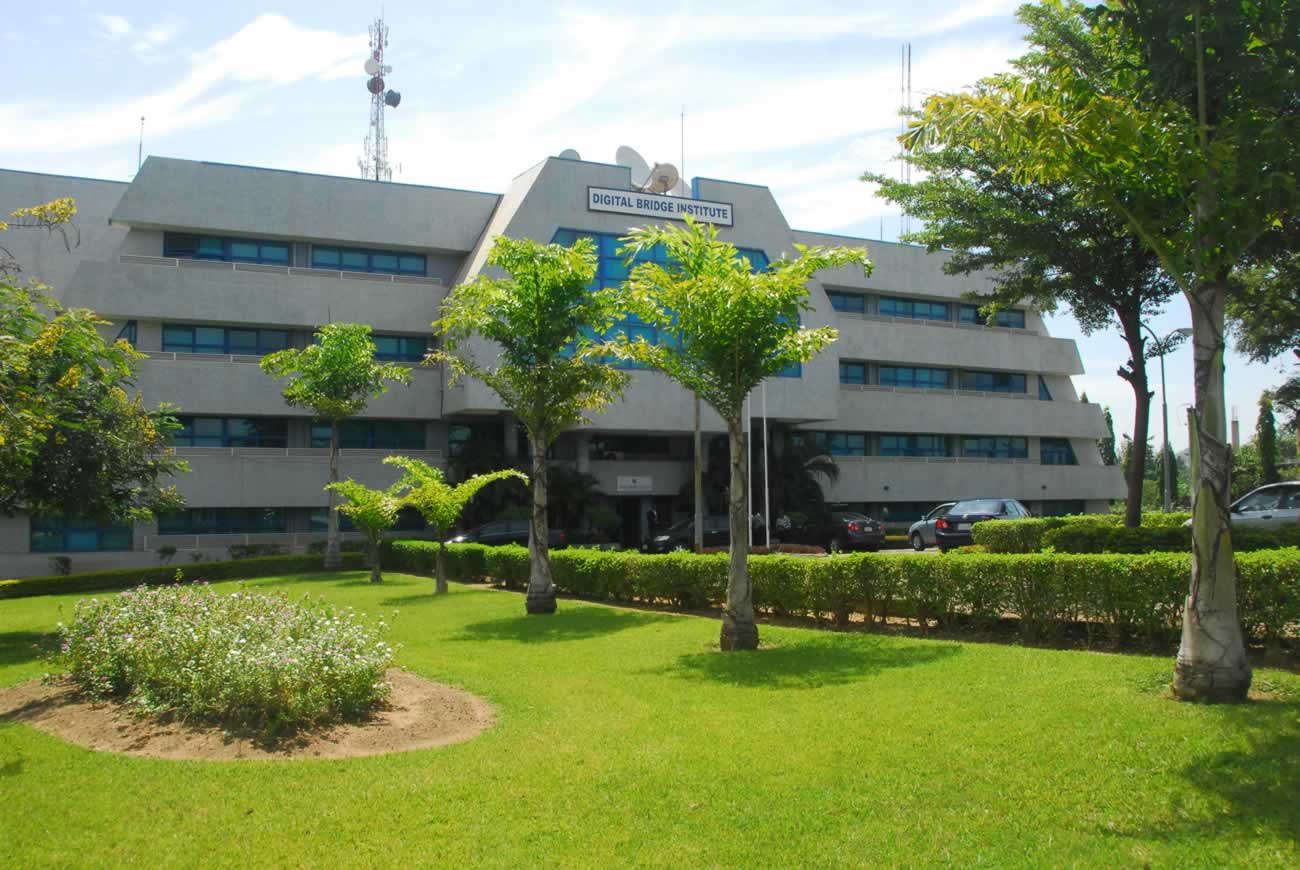 Digital Bridge Institute, Abuja
When the DBI was created in May 2005 by the NCC, the focus was a centre for training in information technology and telecoms. While the industry it serves has witnessed drastic change driven by technology shifts over the past two decades, it becomes necessary to align its model to current trends.
The commission said current needs required continuous specialised training, where communications infrastructure has become a matter of national sovereignty and oversight. Notably, the change comes when the industry is reviewing its policy for the first time in 26 years.
“Securing and advancing the future of communications and the digital economy is now a clear national and economic priority,” it added.
The development is also an attempt to secure Nigeria’s future in impacting technology and telecoms skills. The NCC mentioned that 70% of Nigerians are under the age of 30, making DBI the pathway to equip young ones with advanced technical skills and close the capability gap.
 Nigerian youths interacting with tech
With about two decades of experience, DBI is globally recognised as an ICT Training “Centre of Excellence” by the International Telecommunications Union (ITU).
According to DBI, it has trained 250,000 young Nigerians across more than 100 industry-acclaimed courses. DBI campuses and centres cut across FCT Abuja, Lagos, Kano and Yola.
Also Read: Rudman retains Internet Protocol Chairmanship as NCC inaugurates new IPv6 board.
NCC refines DBI’s focus
In the DBI revised goals, the NCC noted that the institute will now concentrate on five areas: Education and Training, Research and Development, Innovation, Economic Impact and Growth, and Emerging Policy and Regulation.
According to the commission, the focus areas were shaped to meet new emerging global demands and reflect engagement outside the commission and the Federal Ministry of Communications, Innovation and Digital Economy.
The decision includes consultations with the Federal Ministry of Education and TETFund, the Federal Ministry of Science and Technology, and the National Agency for Science and Engineering Infrastructure (NASENI).
 AI flitered NCC Building
In the DBI’s recent milestone, it launched a training programme to equip 31 participants from 10 African and European countries with critical fibre optic infrastructure skills. The project is in collaboration with ITU and sponsored by the European Union (EU) under its Global Gateway Initiative.
In terms of impact, the initiative is expected to contribute to Nigeria’s goal of deploying 90,000 kilometres of fibre optic cables nationwide, a project aimed at improving connectivity across all 774 local government areas.


추천 콘텐츠

Lexston Mining Engages Dentons Delany to Explore Mineral Opportunities in Guyana

Iran attacks gulf aluminum sites, escalating US-linked conflict

BitGo Launches Stablecoin Minting and Redemption Service for Institutions



