In Futures trading, changes in the trading volume and open interest of a Futures pair over a given period often reflect fluctuations in investor activity and capital flow. These are important marketIn Futures trading, changes in the trading volume and open interest of a Futures pair over a given period often reflect fluctuations in investor activity and capital flow. These are important market
Learn/Trading Guide/Futures/How to View...res Account

How to View Positions and Funds in MEXC Futures Account

Sep 28, 2025MEXC
0m
4
4$0.00893+4.86%
BULLISH
BULLISH$----%
7
7$----%

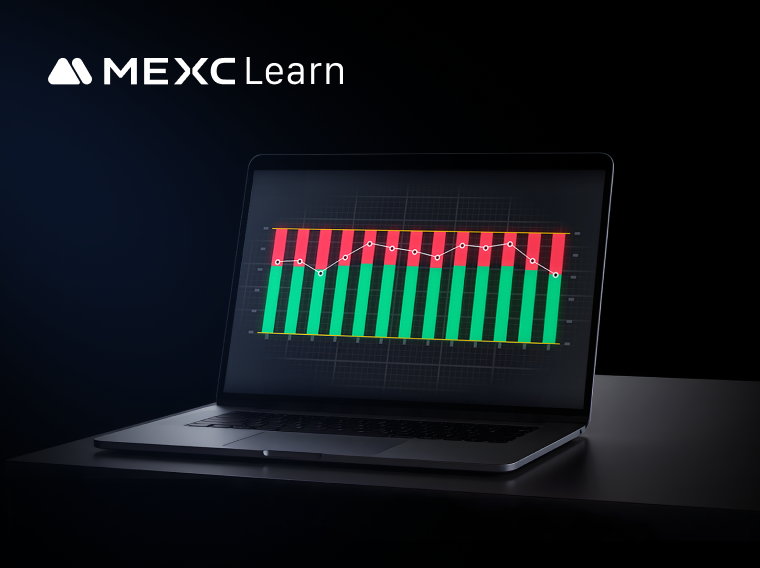
In Futures trading, changes in the trading volume and open interest of a Futures pair over a given period often reflect fluctuations in investor activity and capital flow. These are important market indicators that help investors analyze market sentiment, price trends, and potential risks. Interpreting this data correctly can provide valuable guidance for investors in Futures trading and help optimize trading strategies.

1. What Is Futures Trading Volume?


Futures trading volume refers to the number of contracts executed (total of buys and sells) within a specific time period. It reflects the market's level of activity and trading intensity. For a particular Futures pair, it also shows the level of investor attention on that pair.

The greater the trading volume within a given time, the more active the market is. A sudden surge in trading volume often signals imminent market volatility. Traders commonly use both trading volume and open interest to assess current market sentiment and to develop their investment strategies.


2. What Is FuturesOpen Interest?


Open interest refers to the total number of outstanding contracts that have not yet been settled. It represents the scale of capital invested by market participants and the level of trading interest. An increase in open interest indicates that more capital is flowing into the market, showing that investors are interested in the current price or trend. A decrease in open interest means capital is leaving the market, suggesting that investors are closing positions or exiting, and overall market interest is declining.

3. What Is the Significance of Changes in Futures Trading Volume and Open Interest?


3.1 Significance of Futures Trading Volume


Changes in trading volume can signal market activity and trend strength. When trading volume rises, it shows increased market participation. Specifically, if volume rises during a price uptrend, it can confirm bullish momentum. If volume rises during a downtrend, it can confirm bearish momentum. Conversely, falling trading volume indicates reduced market activity, which may suggest a weakening or reversal of the current trend.

3.2 Identifying Breakouts vs. False Breakouts


When the price of a Futures pair experiences significant fluctuations, trading volume can be used to validate the reliability of a breakout.
High-volume breakout: If the price breaks a key support or resistance level with strong volume, the breakout is usually more reliable.
Low-volume breakout: If the breakout occurs with weak volume, it may be a false breakout, and the price could soon retrace.

3.3 Significance of Open Interest


Changes in open interest help assess the direction of capital flows and the strength of a trend. Increasing open interest suggests more capital is entering the market, indicating strong interest in future price trends. If open interest rises alongside price increases, it signals strong bullish sentiment. If open interest rises while prices fall, it signals strengthening bearish sentiment.

Decreasing open interest indicates capital is exiting the market as traders close positions. This often signals a weakening or potential end of the current trend.

3.4 Combining Trading Volume and Open Interest for Sentiment Analysis


If both open interest and trading volume rise, it suggests rising activity from both the bulls and bears, with the potential for higher volatility ahead. If open interest rises but trading volume falls, it indicates a wait-and-see market, possibly a preparation phase for a continued trend.


4. Combined Analysis of Trading Volume and Open Interest


Looking at trading volume together with open interest provides a more complete picture of market sentiment and trend strength.

1) Rising Volume + Rising Open Interest: Usually indicates an active market with capital inflows, suggesting the trend may continue or accelerate. Example: In a bull market, if prices rise alongside both trading volume and open interest, it shows strong bullish sentiment and inflows of new capital.

2) Rising Volume + Falling Open Interest: Indicates market activity but with capital outflows, which may signal the end of a trend. Example: At the late stage of a bull market, if prices surge quickly while open interest declines, it suggests long positions are being closed for profit-taking.

3) Falling Volume + Rising Open Interest: Shows reduced market activity but with capital inflows, which may signal an accumulation phase. Example: During sideways consolidation, rising open interest suggests investors are positioning for a potential breakout.

4) Falling Volume + Falling Open Interest: Indicates weak market activity and declining interest, suggesting the trend may stall. Example: In a bear market, if prices drop while both trading volume and open interest fall, it reflects low sentiment and reduced participation.

5. Practical Guide: How to Use Trading Volume and Open Interest to Inform Futures Trading


5.1 Confirming Trend Strength


When prices are rising:
1) Rising trading volume and rising open interestindicate a strong trend, suitable for adding to long positions.
2) Rising volume but falling open interestmay signal profit-taking by longs, so beware of a potential reversal.

When prices are falling:
1) Rising trading volume and rising open interestindicate strong bearish sentiment, and the downtrend may continue.
2) Falling volume but rising open interestsuggests shorts may still be building positions, requiring caution.

5.2 Distinguishing Breakouts From False Breakouts


When prices break key levels:
1) Rising trading volume and open interest together suggest a reliable breakout, suitable for following the move.
2) Rising volume but falling open interest suggests a possible false breakout, and it's safer to wait.

5.3 Analyzing Bullish and Bearish Sentiment


When open interest rises sharply:
1) If prices surge, it shows bullish dominance.
2) If prices plunge, it shows bearish dominance, potentially leading to a deeper decline.

When open interest falls sharply:
1) If prices rise, it suggests longs are closing positions, and a pullback may follow.
2) If prices fall, it suggests shorts are closing positions, and a rebound may follow.

5.4 Risk Management and Strategy Adjustments


  • Extremely High Open Interest: When open interest reaches very high levels, the market becomes prone to sharp volatility (e.g., liquidations or short/long squeezes). Lower leverage is advised to manage risk.
  • Extremely Low Open Interest: When open interest is very low, the market trend may be weak, making short-term trades or staying on the sidelines more appropriate.

By effectively leveraging these indicators, investors can better capture trend opportunities, manage risks, and improve returns in futures trading.

6. How to Track Changes in Open Interest


By using professional third-party data platforms, you can easily monitor changes in Futures open interest for different tokens, for example, CoinGlass.

Let's take SHIB as an example. On CoinGlass, you can view SHIB's open interest changes over a selected time period, clearly displayed in chart form. You can also compare open interest across different exchanges.


7. How to Check Your Positions


On the MEXC platform, if you want to view your current Futures positions, you can find them below the candlestick chart on the Futures trading interface.


If you want to review your past trades, go to the top right corner and select Orders → Position History.


The cryptocurrency market is highly volatile and full of uncertainties. Users should constantly monitor their positions, adjusting by adding to or reducing positions as needed to avoid losses from liquidations due to market fluctuations.


  • Why Choose MEXC Futures? Gain an in-depth understanding of MEXC Futures trading advantages and features to help you seize opportunities in the Futures market.
  • How to Trade Futures on MEXC App Learn the detailed trading process on the App, allowing you to get started easily and master Futures trading.

Currently, MEXC is running a 0-Fee Trader's Fest, allowing users to significantly reduce trading costs and allowing users to spend less, trade more, and earn more. On MEXC, users can enjoy low-cost trading while staying closely aligned with market trends, capturing every fleeting opportunity, and starting a journey to financial independence.

Disclaimer: This information does not provide advice on investment, taxation, legal, financial, accounting, consultation, or any other related services, nor does it constitute advice to purchase, sell, or hold any assets. MEXC Learn provides information for reference purposes only and does not constitute investment advice. Please ensure you fully understand the risks involved and exercise caution when investing. MEXC is not responsible for users' investment decisions.

Market Opportunity
4 Logo
4 Price(4)
$0.00893
$0.00893$0.00893
+6.29%
USD
4 (4) Live Price Chart

Popular Articles

View More
Highest Leverage Crypto Exchanges in 2026: Only Two Survive the 500x Test

Highest Leverage Crypto Exchanges in 2026: Only Two Survive the 500x Test

Two major crypto exchanges currently sit at the top of the leverage ladder: MEXC and BTCC both list futures contracts at up to 500x, while most large rivals cap out between 100x and 125x. MEXC pairs

Can You Trade Stocks and Crypto in One App? Best Platforms Compared (2026)

Can You Trade Stocks and Crypto in One App? Best Platforms Compared (2026)

Yes, you can trade stocks and crypto in one app, but your real options depend on where you live. US residents can pick from Robinhood, Coinbase, Kraken, or Crypto.com. UK and EU investors have eToro

How to Buy Stocks Online Without a Broker: 6 Ways Banks Won't Tell You About

How to Buy Stocks Online Without a Broker: 6 Ways Banks Won't Tell You About

Yes, you can buy stocks online without a broker. US investors can use direct stock purchase plans, dividend reinvestment plans, or employer plans, while zero-commission apps remove the human

MSFT Price Target: Zero Sell Ratings and a $100 Billion Azure Year, So Why Won't Microsoft Stock Close the Gap?

MSFT Price Target: Zero Sell Ratings and a $100 Billion Azure Year, So Why Won't Microsoft Stock Close the Gap?

Microsoft (NASDAQ: MSFT) just closed its fiscal year with a quarter that beat Wall Street on every headline number — and the stock still trades roughly 24% below where the average analyst says it

Hot Crypto Updates

View More
Microsoft FY2026 Q4 Earnings Beat Estimates as Azure Growth Accelerates and MSFT Stock Jumps

Microsoft FY2026 Q4 Earnings Beat Estimates as Azure Growth Accelerates and MSFT Stock Jumps

When Were the Microsoft Q4 FY2026 Earnings Released? Microsoft announced its fiscal fourth-quarter 2026 earnings after the U.S. market closed on Wednesday, July 29, 2026. The quarter covered the

SPY Price Prediction 2026–2030: Bull, Base and Bear Market Scenarios

SPY Price Prediction 2026–2030: Bull, Base and Bear Market Scenarios

Summary SPY closed at $740.86 on July 28, 2026. State Street reported a forward P/E of 21.59x and estimated three-to-five-year portfolio earnings growth of 17.38%. The following ranges are

STM Stock Price Prediction 2026–2030: Bull, Base and Bear Scenarios

STM Stock Price Prediction 2026–2030: Bull, Base and Bear Scenarios

Summary STM closed near $53.45 on July 27, 2026 after falling sharply following Q2 earnings. The stock had previously reached approximately $81.42 in early June, illustrating the unusually wide range

All Eyes on the Fed: What Today’s Interest Rate Decision Could Mean for Bitcoin and Crypto

All Eyes on the Fed: What Today’s Interest Rate Decision Could Mean for Bitcoin and Crypto

The Federal Reserve will announce its interest rate decision today at 2:00 PM ET, and crypto markets are holding their breath. The federal funds rate has sat at 3.50%–3.75% since December 2025, and

Trending News

View More
Samsung Q2 Profit Jumps 19x, But Shares Fall: Why AI Memory Stocks Face a Higher Bar

Samsung Q2 Profit Jumps 19x, But Shares Fall: Why AI Memory Stocks Face a Higher Bar

Samsung Electronics recently guided its Q2 2026 revenue at approximately KRW 171 trillion with an operating profit of KRW 89.4 trillion—an astonishing 19-fold jump from a year earlier. On paper, this

Tesla Q1 2026 Earnings Review: Deliveries Rebounded, But Margin Quality Remains the Real Test

Tesla Q1 2026 Earnings Review: Deliveries Rebounded, But Margin Quality Remains the Real Test

Tesla reported its Q1 2026 financial results on April 22, 2026, after the U.S. market close. The company delivered 358,023 vehicles in the quarter, generated total revenue of $22.4 billion, and report

Apple FY2026 Q2 Earnings Review: iPhone Revenue and Services Growth Keep EPS Story Intact

Apple FY2026 Q2 Earnings Review: iPhone Revenue and Services Growth Keep EPS Story Intact

Apple reported fiscal 2026 second-quarter results on April 30, 2026, covering the quarter that ended March 28, 2026. Revenue reached $111.2 billion, up 17% year over year, while diluted EPS rose 22% t

Hyperliquid Open Interest Hits $11.5 Billion: Are On-Chain Perpetuals Expanding into U.S. Equity Markets?

Hyperliquid Open Interest Hits $11.5 Billion: Are On-Chain Perpetuals Expanding into U.S. Equity Markets?

Hyperliquid’s open interest has reached approximately $11.5 billion, a new high for 2026, with HIP-3 markets contributing nearly $4 billion. The S&P 500-linked contract has become the largest HIP-3 ma

Related Articles

View More
Zero Threshold, Zero Slippage: How to Trade U.S. Stock Futures on MEXC

Zero Threshold, Zero Slippage: How to Trade U.S. Stock Futures on MEXC

Recently, AI concept stocks have surged dramatically, with tech giants' valuations reaching record highs, placing the U.S. stock market firmly in the spotlight for global investors. However, most cryp

How to Rearrange the Open Position Information Columns in Futures Trading

How to Rearrange the Open Position Information Columns in Futures Trading

In Futures trading, once you have opened a position, it will appear under Open Position. The Open Positions list includes Trading Pair, Position, Avg Entry Price, Fair Price, Est. Liq Price, Margin Ra

How to Export Futures Position History Data

How to Export Futures Position History Data

In futures trading, mastering and analyzing your historical trade data is the first step toward becoming a more experienced trader. MEXC's newly launched Futures Position History data export feature p

What is Add Margin?

What is Add Margin?

Understanding the mechanism of margin calls is a required lesson for every futures trader, from beginner to expert. A margin call is not only a passive requirement set by the platform, but also a crit

Sign Up on MEXC
Sign Up & Receive Up to 10,000 USDT Bonus
Is Your Stablecoin Truly Safe?
Is Your Stablecoin Truly Safe?Is Your Stablecoin Truly Safe?
Know the risks of USDT, USDC, OpenUSD & USD1