Marcos sees fuel supply opening from 2-week Strait of Hormuz ceasefire
By Chloe Mari A. Hufana, Reporter
PHILIPPINE PRESIDENT Ferdinand R. Marcos, Jr. said a two-week truce reopening the Strait of Hormuz gives the Philippines a brief chance to secure fuel supplies amid surging fuel prices tied to the Middle East war.
“We will take full advantage of the two weeks to increase our supply and continue to make whatever arrangements are possible,” he said in a video interview with Palace Press Officer Clarissa A. Castro shared with reporters.
The President said the truce would allow vessels carrying Philippine cargo to resume passage, enabling delayed shipments to move through one of the world’s key oil routes.
A net oil importer, the Philippines has faced sharp price pressure since fighting erupted on Feb. 28, leaving fuel prices exposed to global supply disruptions.
Diesel prices have risen by P100.05 per liter since the conflict began, while gasoline and kerosene prices increased by about P52.30 and P82.40 per liter, respectively.
Energy Secretary Sharon S. Garin earlier described the surge as the fastest and steepest rise in domestic oil prices, prompting the government to seek authority to suspend or reduce fuel excise taxes to cushion consumers.
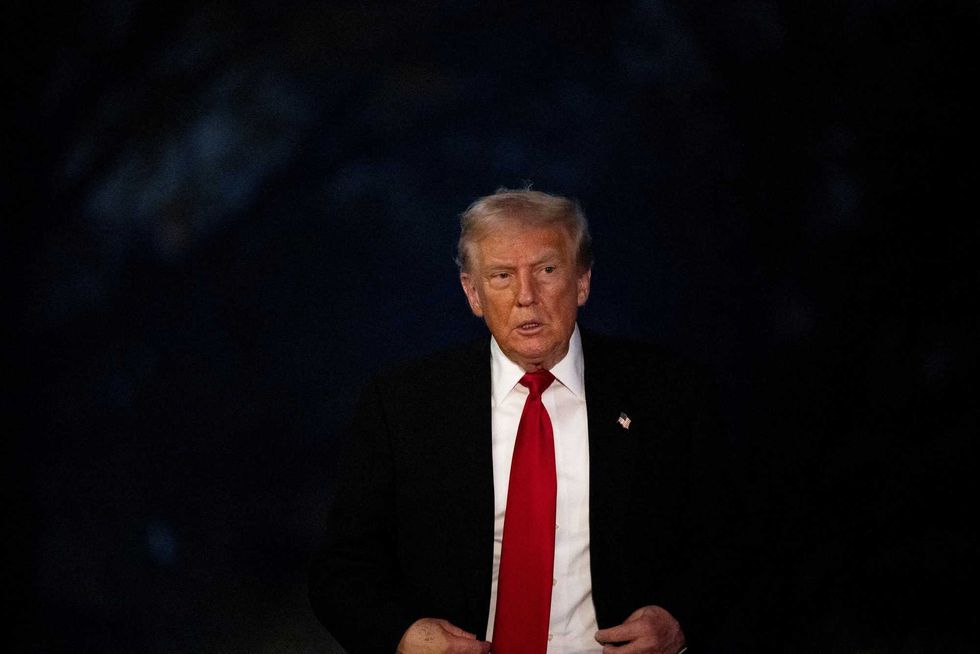
US President Donald J. Trump agreed to the two-week ceasefire with Iran, contingent on the reopening of the Strait of Hormuz to commercial traffic.
Meanwhile, Malacañang told business and oil industry leaders it plans to cut logistics costs, ease port congestion, accelerate renewable energy adoption, and push trade facilitation reforms to counter price pressures from the war.
Executive Secretary Ralph G. Recto outlined the measures during meetings on April 6 with 22 business group leaders and, separately, with 25 executives from 14 oil companies.
“Since day one of this conflict, the President’s instruction was to reach out to business, civic leaders, local government executives and get their views, and many, in fact, have been inputted in our response,” Mr. Recto said in a statement on Wednesday.
Fuel prices have risen since war involving Iran broke out on Feb. 28, adding to price pressures across the economy. Inflation accelerated to 4.1% in March, the fastest in almost two years.
Mr. Recto told business leaders that assistance would be extended to vulnerable small companies through targeted measures, adding that the government would keep communication channels open with the private sector.
Malacañang said it expects “oil diplomacy” efforts to help build fuel stockpiles, after the Department of Energy said inventories were sufficient until mid‑year.
Mr. Marcos has said the Philippines is negotiating with nontraditional oil partners to secure more supplies, adding that discussions have been positive.
Proposals raised by business groups were elevated as Office of the President directives and referred to agencies including the Department of the Interior and Local Government and the Philippine Economic Zone Authority for action.
Business leaders also called on the government to clear logistical bottlenecks and speed up trade facilitation, citing rising costs and shipment delays.
On port congestion, Mr. Recto endorsed a proposal to open container yards outside Metro Manila and referred it to the Bureau of Customs for immediate action. He also forwarded a recommendation to review truck ban hours to the Metropolitan Manila Development Authority for urgent consideration.
Participants urged wider use of online document transactions to reduce energy consumption and improve efficiency. Mr. Recto said he would fast‑track the proposal.
“With or without this conflict, we should be removing friction costs across the supply chain,” he said. “This includes unnecessary checkpoints, especially for travelers carrying perishable foods,” he added in Filipino.
He also urged the private sector to support energy‑saving measures, including flexible work arrangements, while warning against unfair pricing practices.
Ms. Garin, Economy Secretary Arsenio M. Balisacan and Press Secretary Dave M. Gomez attended the meetings.
Business groups represented included Semiconductor and Electronics Industries in the Philippines Foundation, Inc.; Philippine Chamber of Commerce and Industry, Inc.; Management Association of the Philippines, Inc.; Federation of Filipino‑Chinese Chambers of Commerce and Industry, Inc.; IT and Business Process Association of the Philippines; Makati Business Club, Inc.; and Ease of Doing Business Foundation, Inc.
The Philippines, a net importer of oil, remains exposed to geopolitical shocks. Despite a two‑week ceasefire involving the US, Israel and Iran, fuel prices are unlikely to ease immediately.
The government has rolled out subsidies and transport discounts to soften the impact of higher fuel costs, even as workers face higher prices for basic goods amid stagnant wages.


You May Also Like

XRP Price Prediction Faces Key Weeks as CLARITY Act Returns and Pepeto Presale Fills

Why Businesses Need Professional Machine Design and Development Services