US Navy Defiantly Transits Strait of Hormuz Without Iranian Coordination in First Post-Conflict Passage
BitcoinWorld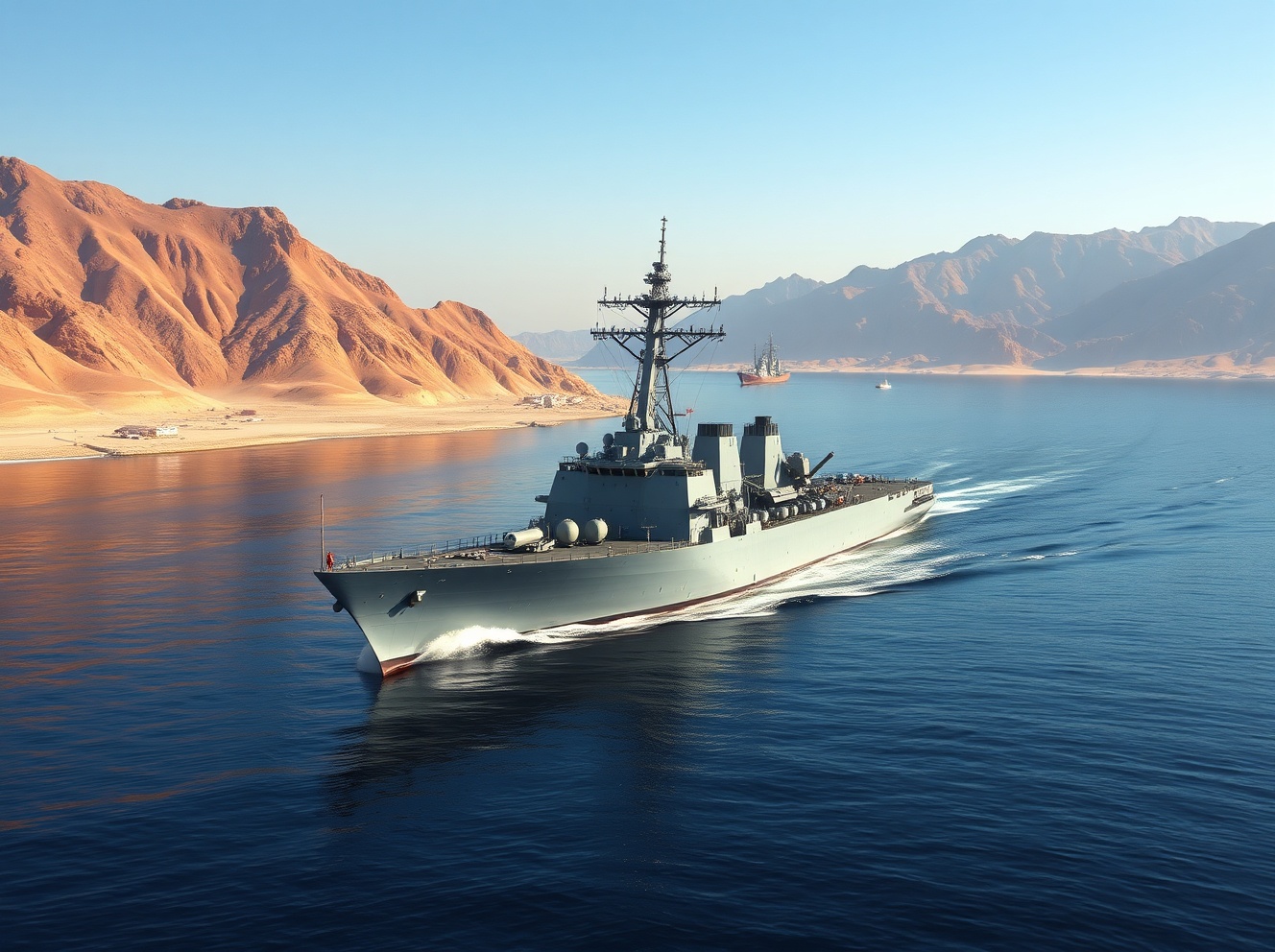
US Navy Defiantly Transits Strait of Hormuz Without Iranian Coordination in First Post-Conflict Passage
Multiple U.S. Navy warships conducted a significant transit through the strategic Strait of Hormuz on April 11, 2025, deliberately operating without prior coordination with Iranian authorities. This passage represents the first such naval movement since hostilities between the United States and Iran began, marking a critical development in Persian Gulf security dynamics. The transit occurred amid ongoing regional tensions and carries substantial implications for international shipping, energy markets, and military protocols in one of the world’s most vital maritime chokepoints.
US Navy Strait of Hormuz Transit Details
The naval group included several guided-missile destroyers from the U.S. Fifth Fleet, according to official statements. These vessels navigated through the narrow waterway separating the Persian Gulf from the Gulf of Oman. Typically, naval transits through this strategic passage involve communication protocols between regional powers. However, U.S. officials confirmed the deliberate absence of coordination with Iran’s Islamic Revolutionary Guard Corps Navy. This decision reflects the current operational posture following the outbreak of conflict. The transit proceeded without incident, according to maritime tracking data. Furthermore, commercial shipping continued normal operations during the passage. The U.S. Navy maintains freedom of navigation operations represent routine activities. Nevertheless, the timing and circumstances make this transit particularly noteworthy for regional observers.
Historical Context of Strait Navigation
The Strait of Hormuz represents one of the world’s most critical maritime passages. Approximately 20-30% of global oil shipments transit this narrow waterway daily. Consequently, maintaining open navigation remains vital for international energy security. Historically, the United States and Iran established communication protocols for military movements. These protocols aimed to prevent accidental escalations and misunderstandings. However, these arrangements collapsed following recent hostilities. The current transit marks a return to pre-diplomatic navigation patterns. Additionally, it signals Washington’s commitment to maintaining naval presence despite regional tensions. Previous incidents in the strait have included seizures of commercial vessels and confrontations between naval forces. Therefore, this uncoordinated passage carries inherent risks that military planners carefully considered beforehand.
Military and Strategic Implications
Naval analysts note several important implications from this transit. First, it demonstrates continued U.S. naval capability in the region despite ongoing conflicts. Second, it establishes a precedent for future operations without Iranian coordination. Third, it signals to regional allies American commitment to security guarantees. The U.S. Fifth Fleet maintains headquarters in Bahrain, providing logistical support for such operations. Military experts emphasize the importance of predictable naval behavior during tense periods. However, they also acknowledge the calculated nature of this specific transit. The vessels involved likely maintained heightened defensive postures throughout the passage. Furthermore, aerial surveillance and intelligence gathering undoubtedly supported the operation. This comprehensive approach reflects standard procedures for high-risk transits through contested waters.
International Reactions and Regional Impact
Regional powers monitored the naval movement closely. Gulf Cooperation Council members generally support freedom of navigation principles. However, some nations express concerns about potential escalations. International shipping companies continue operating through the strait with increased vigilance. Insurance premiums for vessels transiting the region remain elevated since hostilities began. Energy markets showed minimal reaction to the transit news, suggesting traders anticipated such developments. The International Maritime Organization continues urging all parties to ensure safe passage for commercial vessels. Meanwhile, diplomatic channels remain largely inactive regarding naval coordination. This situation creates uncertainty for merchant shipping operating in the region. Consequently, many vessels now implement additional security measures when approaching the strait.
Legal Framework and Navigation Rights
International law provides clear guidelines for strait transits. The United Nations Convention on the Law of the Sea establishes transit passage rights through international straits. These rights allow continuous and expeditious passage for all vessels. Warships enjoy the same transit rights as commercial ships under this framework. However, customary practices often involve communication between neighboring states. The current situation tests the boundaries between legal rights and diplomatic conventions. Legal experts emphasize that uncoordinated passage doesn’t violate international law. Nevertheless, it represents a departure from established regional practices. This development may influence how other nations approach similar transits in contested waterways worldwide.
Operational Security Considerations
The U.S. Navy implemented several security measures during the transit. Electronic warfare systems remained active to counter potential threats. Additionally, aerial assets provided continuous surveillance of surrounding areas. The vessels maintained defensive formations optimized for the narrow waterway. Communication protocols with regional allies remained active throughout the operation. These precautions reflect standard procedures for high-risk environments. Military planners carefully calculated timing and routing to minimize vulnerabilities. The successful completion of the transit demonstrates effective operational planning. However, it also highlights the persistent risks in the region. Future transits will likely follow similar security protocols until diplomatic relations improve.
Conclusion
The US Navy transit through the Strait of Hormuz without Iranian coordination represents a significant development in Persian Gulf security dynamics. This passage marks the first such movement since conflict began between the nations. The operation demonstrates Washington’s commitment to maintaining naval presence and freedom of navigation principles. Regional stability continues facing challenges from these uncoordinated military movements. International shipping and energy markets monitor developments closely for potential impacts. Future transits will likely follow similar patterns until diplomatic channels reopen. The Strait of Hormuz remains a critical flashpoint requiring careful navigation by all maritime actors.
FAQs
Q1: Why is the Strait of Hormuz so strategically important?
The Strait of Hormuz serves as the only sea passage between the Persian Gulf and open ocean. Approximately 20-30% of global oil shipments transit this narrow waterway daily, making it vital for international energy security and economic stability.
Q2: What communication protocols normally exist for naval transits?
Typically, nations inform neighboring coastal states about military movements through international straits. These protocols help prevent misunderstandings and accidental escalations. The U.S. and Iran previously maintained such communication channels before recent hostilities.
Q3: Does international law permit uncoordinated naval transits?
Yes, the United Nations Convention on the Law of the Sea establishes transit passage rights through international straits. All vessels, including warships, enjoy rights to continuous and expeditious passage without prior authorization from coastal states.
Q4: How does this transit affect commercial shipping?
Commercial vessels continue operating through the strait with increased vigilance. Insurance premiums remain elevated, and many shipping companies implement additional security measures. However, normal traffic patterns continue despite military developments.
Q5: What risks does uncoordinated passage create?
Uncoordinated military movements increase risks of accidental confrontations, misunderstandings between naval forces, and potential escalation. These risks necessitate heightened situational awareness and defensive postures by all vessels operating in the area.
This post US Navy Defiantly Transits Strait of Hormuz Without Iranian Coordination in First Post-Conflict Passage first appeared on BitcoinWorld.


You May Also Like
US Government Transfers Seized Bitcoin Linked to Steroid Probe to Coinbase Prime

RAVE Price Surges by 85% as Liquidations Spike Across Crypto Markets