

Doximity (DOCS) Stock Hits Multi-Year Low After Earnings Shock
TLDR
- Doximity reported adjusted EPS of $0.26, missing the $0.28 consensus estimate.
- Revenue grew 5% year-over-year to $145.4 million, slightly above expectations.
- Full-year fiscal 2027 revenue guidance of $664–$676 million came in well below analyst forecasts of $697.4 million.
- Jefferies, Wells Fargo, and KeyBanc all downgraded the stock following the results.
- DOCS fell roughly 21% in premarket trading Thursday and is now down about 47% year-to-date.
Doximity stock was trading around $18.45 in premarket Thursday — a drop of roughly 21% from its Wednesday close of $23.39 — after the company posted weaker-than-expected earnings and issued a revenue outlook that disappointed Wall Street.
Doximity, Inc., DOCS
The telehealth platform reported adjusted earnings per share of $0.26 for its fiscal fourth quarter, missing the consensus estimate of $0.28. A year ago, the company earned $0.36 per share in the same period.
Revenue came in at $145.4 million, up 5% year-over-year and slightly above the $144 million analyst estimate. But that small beat wasn’t enough to offset the broader concerns from investors.
Adjusted EBITDA for the quarter was $65.8 million, down 6% from the same period last year, with increased spending on AI infrastructure cited as a key reason for the compression.
CEO Jeff Tangney pointed to strong user engagement on the earnings call, noting that over 800,000 active prescribers used Doximity’s workflow tools in Q4. “Nearly half of those providers used our clinical AI last quarter, while our prompts per user nearly doubled from January to April alone,” he said.
Guidance Falls Short
The bigger issue for investors was the outlook. For the full fiscal year ending March 2027, Doximity guided for revenue of $664 million to $676 million. That is well below the $697.4 million analysts had expected.
First-quarter guidance also fell short. The company projected revenue of $151 million to $152 million, below the $153.7 million Wall Street had penciled in.
Management flagged that “short-term demand in the HCP digital pharma ad market is soft” and pointed to macro uncertainty and policy risk as factors limiting visibility. The company expects overall market growth to remain modest, likely at or below 5%.
Adjusted EBITDA margin for fiscal 2027 is expected to land around 49%, below prior-year levels, largely because of rising AI compute costs.
Analyst Downgrades Follow
The results triggered a wave of analyst action. Jefferies downgraded DOCS from Buy to Hold and cut its price target from $51 to $19, flagging low visibility on pharma ad budgets and rising AI spending.
Wells Fargo moved from Overweight to Equal Weight with a new target of $18. KeyBanc shifted to Sector Weight, noting that buyers are looking at AI-driven and lower-cost alternatives to Doximity’s platform.
The broader market gave no help. The S&P 500 rose 0.58% and the Nasdaq gained 1.20% on Thursday, meaning the selloff in DOCS was entirely company-specific.
DOCS is now trading roughly 69% below its 52-week high of $76.51. In the 90 days heading into the report, the stock had seen zero positive EPS revisions and 15 negative ones — a sign that sentiment was already fragile.
The company also announced a new integration with Aledade, a value-based care company, through which Doximity will embed its clinical AI tools, including its notetaking tool and AI assistant, into Aledade’s systems.
The post Doximity (DOCS) Stock Hits Multi-Year Low After Earnings Shock appeared first on CoinCentral.


You May Also Like
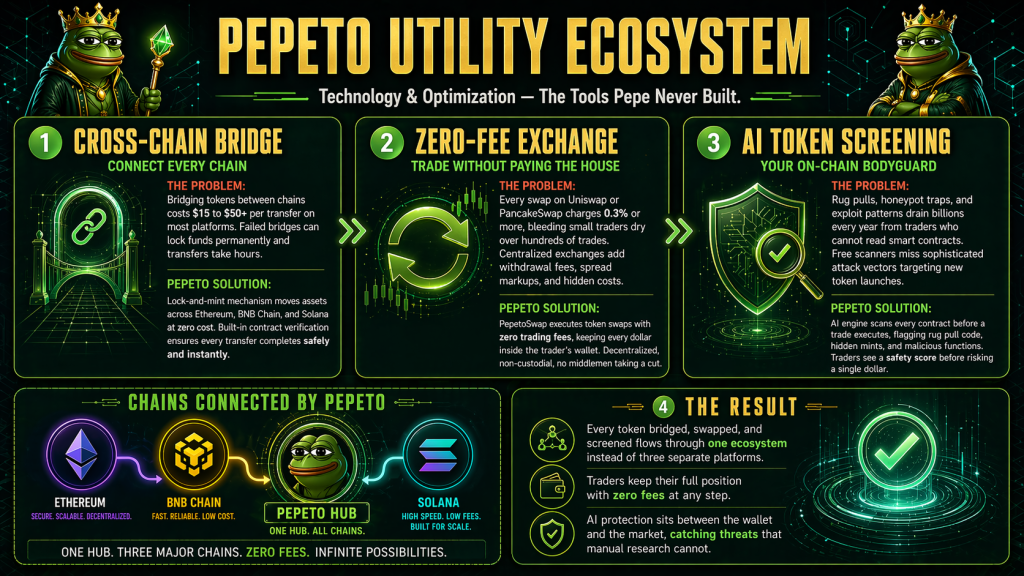
Which Are the Top 3 Cryptos to Buy Now as Solana Lands Mastercard and Pepeto Presale Nears Sold-Out Close
Ondas (ONDS) Stock Soars After Revenue Explodes Over 1,000% in Q1 2026




