

234 Million USDC Burned at Treasury: What It Means for Stablecoin Supply
BitcoinWorld
234 Million USDC Burned at Treasury: What It Means for Stablecoin Supply
Blockchain tracking service Whale Alert reported on [Date] that 234 million USDC was burned at the USDC Treasury, reducing the circulating supply of the second-largest stablecoin by market capitalization. The transaction, recorded on the Ethereum blockchain, represents a significant reduction in the total USDC supply, which has fluctuated in recent months amid changing market conditions.
Context of the Burn
The burn of 234 million USDC tokens is a routine but notable event in the stablecoin ecosystem. Circle, the issuer of USDC, regularly mints and burns tokens in response to demand from users and institutions. When demand for USDC decreases or when tokens are redeemed for fiat currency, Circle burns the corresponding USDC tokens to maintain the stablecoin’s 1:1 peg with the US dollar.
This particular burn comes at a time when the total USDC supply has been declining from its peak of over $55 billion in mid-2022. As of [Date], the circulating supply of USDC stands at approximately $[X] billion, reflecting a broader trend of reduced stablecoin usage in decentralized finance (DeFi) and trading markets.
Implications for the Crypto Market
A reduction in USDC supply can have several implications for the broader cryptocurrency market. Stablecoins like USDC are a primary source of liquidity on exchanges and in DeFi protocols. A decrease in supply may signal lower trading activity or a shift in investor sentiment away from crypto markets. However, it can also indicate that users are moving funds into other assets or stablecoins, such as USDT.
The burn also affects the balance of stablecoin supply on Ethereum, where USDC is the most widely used stablecoin for DeFi applications. A smaller supply could lead to tighter liquidity conditions, potentially affecting lending rates and trading volumes on platforms like Uniswap, Aave, and Curve.
Why This Matters to Investors
For traders and investors, large burns or mints of stablecoins are often viewed as signals of market demand. A significant burn may suggest that institutional investors are redeeming USDC for fiat, possibly indicating a risk-off sentiment. Conversely, it could simply be a routine treasury operation. Without additional context from Circle or on-chain data showing the destination of the burned tokens, the exact reason remains speculative.
It is important to note that the USDC Treasury burn does not directly affect the token’s price, which is designed to remain stable at $1. However, changes in supply can influence the broader market’s perception of stablecoin health and liquidity.
Conclusion
The burn of 234 million USDC at the Treasury is a notable event that reduces the circulating supply of a key stablecoin. While routine in nature, it reflects ongoing shifts in stablecoin demand and market liquidity. Investors and DeFi participants should monitor such events as part of broader market analysis, but avoid overinterpreting single transactions without additional data from Circle or on-chain analytics.
FAQs
Q1: What does it mean when USDC is burned?
Burning USDC means the tokens are permanently removed from circulation by sending them to an unspendable address. This reduces the total supply and is typically done when users redeem USDC for fiat currency or when Circle adjusts supply to match demand.
Q2: Does a USDC burn affect its price?
No, USDC is designed to maintain a 1:1 peg with the US dollar. Burns do not change the price per token, but they reduce the total market supply, which can affect liquidity in DeFi and exchange markets.
Q3: How can I track USDC supply changes?
You can monitor USDC supply data on blockchain explorers like Etherscan, or through analytics platforms such as CoinGecko, CoinMarketCap, and Whale Alert for real-time large transaction alerts.
This post 234 Million USDC Burned at Treasury: What It Means for Stablecoin Supply first appeared on BitcoinWorld.


You May Also Like

Senate moves on coinbase CLARITY Act as stablecoin
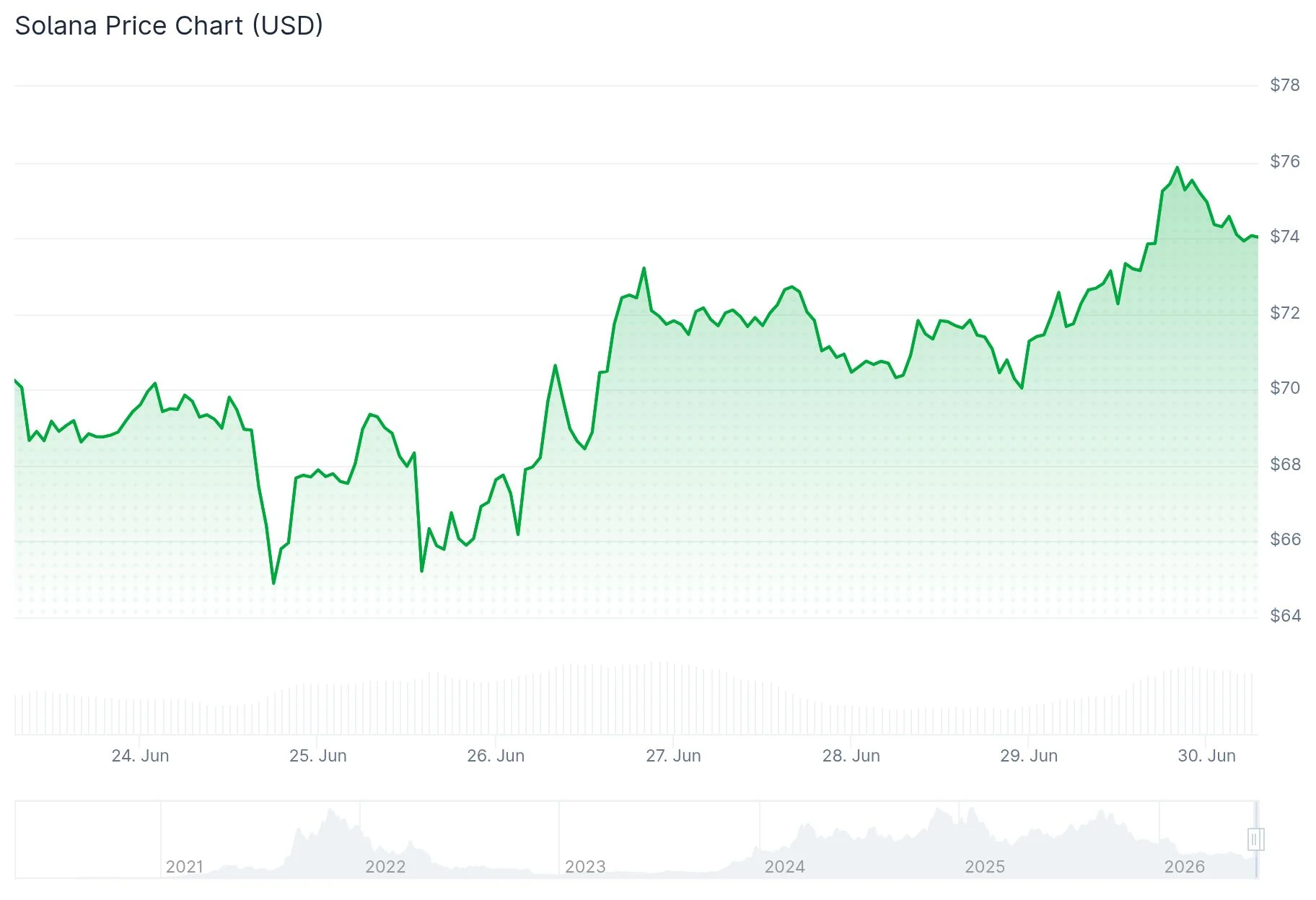
Solana (SOL) Faces Critical Juncture: $50 Downside or $150 Breakout Ahead


