

Fed’s Hammack Warns Inflation ‘Still Too High,’ Flags Potential for Rate Hikes
BitcoinWorld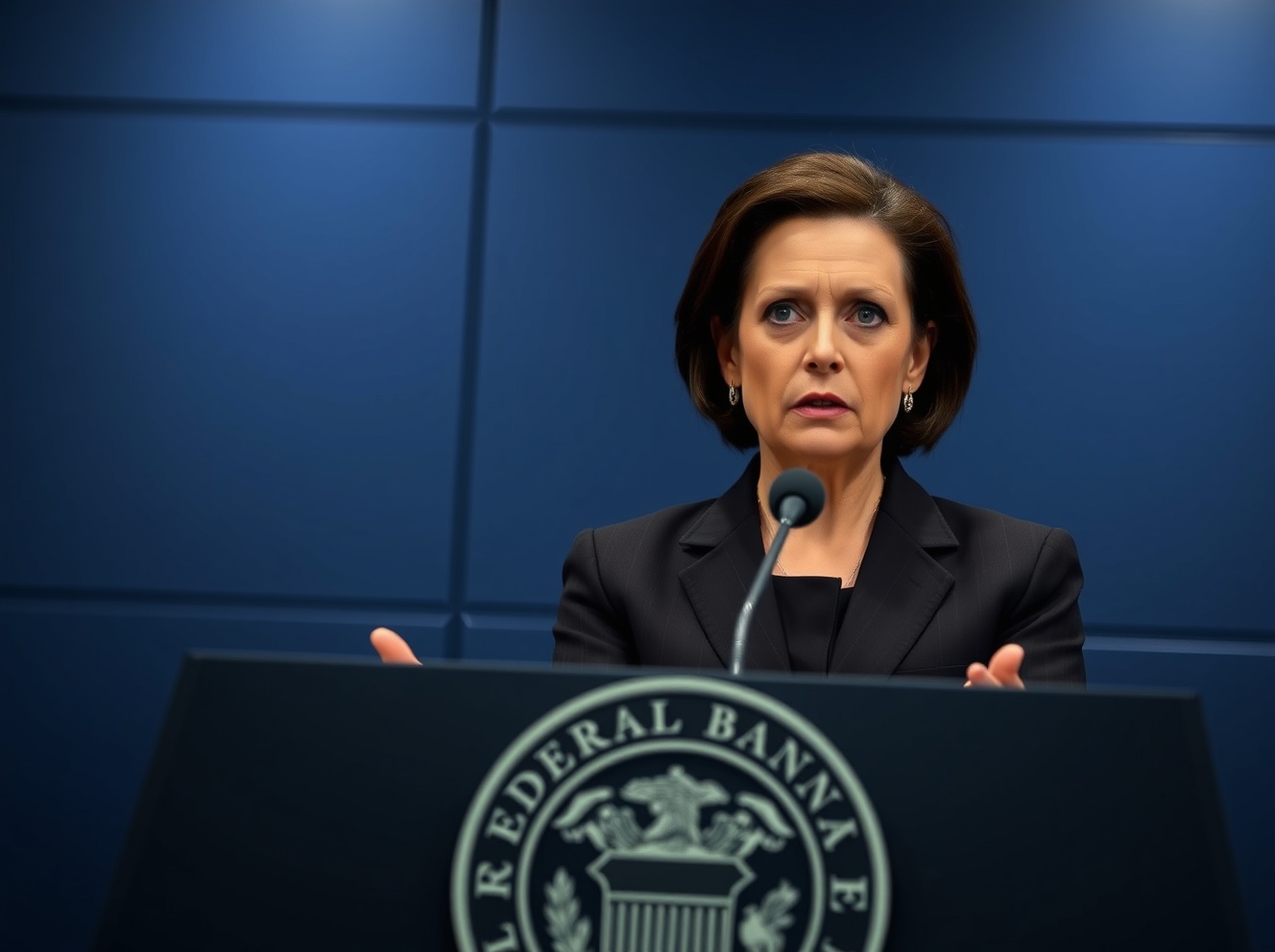
Fed’s Hammack Warns Inflation ‘Still Too High,’ Flags Potential for Rate Hikes
Federal Reserve Bank of Cleveland President Beth Hammack delivered a notably hawkish assessment of the U.S. economy on Wednesday, stating that inflation remains “still too high” and that the central bank may need to consider further interest rate increases to bring price pressures under control. The remarks, made during a speech in Cleveland, mark one of the strongest warnings from a Fed official in recent months and signal a potential shift in the policy outlook.
Hammack’s Hawkish Shift
Hammack, a voting member of the Federal Open Market Committee (FOMC) this year, emphasized that recent data showing sticky inflation in core services and shelter costs suggest the fight against rising prices is far from over. “The progress we have seen has been uneven, and the underlying momentum in inflation remains concerning,” Hammack said. “If the data continues to show that inflation is not moving sustainably toward 2 percent, the committee will need to be prepared to act, including potentially raising the federal funds rate further.”
Her comments come after a series of reports showing the Consumer Price Index (CPI) and the Personal Consumption Expenditures (PCE) price index both running above the Fed’s 2% target for several consecutive months. The labor market also remains tight, with wage growth still elevated, adding to cost pressures for businesses.
Market Reaction and Economic Context
Financial markets reacted swiftly to Hammack’s remarks. Treasury yields rose across the curve, with the 2-year note climbing 8 basis points to 4.12%. The U.S. dollar strengthened against major currencies, while equity futures pared earlier gains. Investors had largely priced in a rate cut later this year, but Hammack’s comments have reintroduced uncertainty about the Fed’s next move.
The broader economic backdrop remains mixed. GDP growth slowed to an annualized 1.6% in the first quarter, well below expectations, while consumer spending has shown signs of cooling. However, Hammack argued that the economy remains resilient and that the risk of easing policy prematurely outweighs the risk of keeping rates higher for longer.
Implications for Borrowers and Investors
For consumers and businesses, a potential rate hike would mean higher borrowing costs for mortgages, auto loans, and corporate debt. The housing market, already strained by elevated mortgage rates, could face further headwinds. Investors are now closely watching upcoming inflation data, particularly the May CPI report due next week, for confirmation of Hammack’s concerns.
Hammack’s stance is not universally shared within the Fed. Other officials, including Chicago Fed President Austan Goolsbee, have expressed caution about overtightening, noting that the full effects of past rate increases are still working through the economy. This internal debate highlights the challenge facing the FOMC as it navigates a complex economic landscape.
Conclusion
Beth Hammack’s warning that inflation remains too high and that rate hikes may be necessary represents a significant hawkish pivot from one of the Fed’s more centrist voices. With the next FOMC meeting scheduled for June 17–18, markets will be parsing every data point and official comment for clues about the policy path. The message from Cleveland is clear: the Fed’s fight against inflation is not yet won, and further tightening remains on the table.
FAQs
Q1: What did Fed’s Hammack say about inflation?
Hammack stated that inflation is “still too high” and that the Federal Reserve may need to consider raising interest rates further if price pressures do not ease sustainably toward the 2% target.
Q2: When is the next Fed meeting?
The next Federal Open Market Committee (FOMC) meeting is scheduled for June 17–18, 2026, where the committee will decide on interest rate policy.
Q3: How could a rate hike affect consumers?
A rate hike would increase borrowing costs for mortgages, auto loans, and credit cards, potentially slowing consumer spending and the housing market.
This post Fed’s Hammack Warns Inflation ‘Still Too High,’ Flags Potential for Rate Hikes first appeared on BitcoinWorld.


You May Also Like

Pipes Power and Processing
Here We Go Again: Taiwan Raids Super Micro In AI Chip Probe


