

Winklevoss Bitcoin Transfers Hit $67M as BTC Falls Below $58K
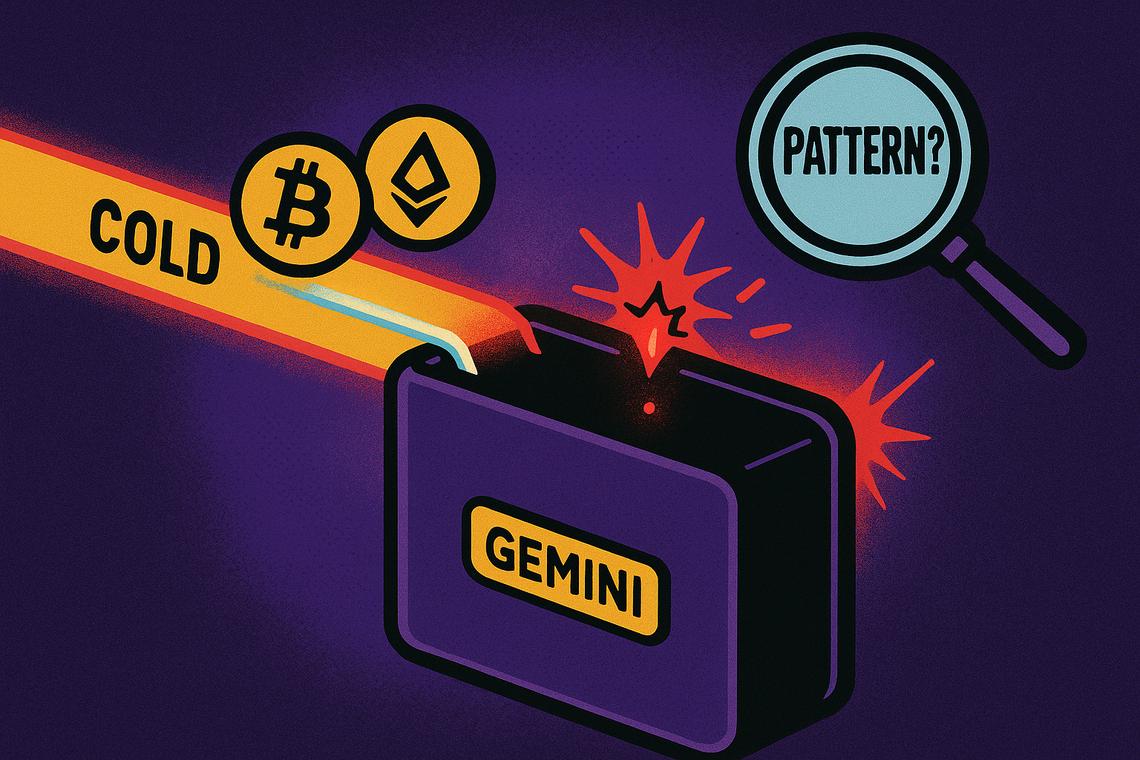
Cameron and Tyler Winklevoss moved roughly $67 million in Bitcoin and Ethereum to Gemini wallets on July 1, a transfer that blockchain analytics firm Arkham Intelligence flagged as consistent with their established selloff pattern. The move landed at one of the worst possible moments for crypto bulls: Bitcoin is already reeling from quarter-end selling pressure, a major bank just slashed its price forecast, and spot ETF outflows hit a punishing monthly record in June.
Key takeaways
- The Winklevoss twins transferred approximately $60 million in BTC and $7 million in ETH to Gemini wallets on July 1, totaling $67 million.
- Arkham Intelligence characterized the transfers as matching their previous selloff behavior, though no actual sale has been confirmed.
- Despite the move, the twins still control more than $300 million worth of Bitcoin.
- Citigroup cut its 12-month Bitcoin price target from $112,000 to $82,000, also reducing its Ethereum forecast from $3,175 to $2,240.
- U.S. spot Bitcoin ETFs saw roughly $4.5 billion in net outflows during June, compounding downward pressure on market sentiment.
Winklevoss Twins Transfer $67 Million to Gemini Wallets
The transfers, broken down as roughly $60 million in Bitcoin and $7 million in Ethereum, moved assets from cold custody into hot wallets directly linked to the Gemini exchange. That specific custody-to-hot-wallet movement is what caught Arkham’s attention.
Arkham noted on July 1 that the activity pattern matched the twins’ usual selling behavior. Importantly, the firm stopped short of confirming that any assets were actually sold — the transfer to an exchange wallet creates the opportunity to sell, not a confirmed execution.
Transfers Align with Past Selloff Patterns
This isn’t the first time the Winklevosses have made large moves toward Gemini ahead of apparent distribution. They transferred roughly $67.5 million in Bitcoin during June and moved around $130 million in March. Taken together, the pattern over recent months suggests a deliberate, staged approach to managing their position rather than a single liquidation event.
Since accumulating Bitcoin starting in 2015, the twins have realized approximately $1.7 billion in profits, according to Arkham Intelligence. That figure gives important context: these are long-term holders who have been taking profits systematically, not distressed sellers reacting to short-term price moves.
Current Bitcoin Holdings Remain Above $300 Million
Even after the July transfers, the Winklevoss twins retain more than $300 million worth of Bitcoin. That remaining stake keeps them firmly in the category of significant BTC holders — meaning the market will continue watching every custody movement they make.
Bitcoin Price Pressure and Market Sentiment Dynamics
The Winklevoss transfers arrived into a market already absorbing multiple layers of selling pressure. Bitcoin has been weakening since the end of June, with quarter-end rebalancing and institutional outflows both weighing on price.
Citigroup Cuts 12-Month Bitcoin Price Target
Citigroup lowered its 12-month Bitcoin price target to $82,000 from $112,000, while simultaneously cutting its Ethereum forecast from $3,175 down to $2,240. The double downgrade from a major Wall Street institution signals a meaningful shift in institutional confidence, at least in the near term. When banks with broad client exposure start revising targets this sharply downward, it tends to reinforce the caution already present in professional money management circles.
Spot Bitcoin ETFs See Significant Outflows
June was a difficult month for the spot Bitcoin ETF market. U.S. spot Bitcoin ETFs recorded approximately $4.5 billion in net outflows during the month, a figure that reflects sustained redemption pressure rather than a single shock event. Outflows of this scale don’t just affect price mechanically — they signal a broader cooling of institutional appetite that had been one of the primary bullish narratives since ETF approval.
Bitcoin Price Fluctuations within Recent Range
Bitcoin fell to an intraday low of $57,747 before recovering to trade near $58,600. Trading volume rose around 9% during the same period, suggesting the dip attracted some buyers, but the recovery remained modest. The price action reflects a market in search of a floor rather than one building toward a directional breakout.
Ethereum Price and Institutional Accumulation Trends
Ethereum is fighting a similar battle. Despite meaningful corporate treasury buying, ETH has remained pinned near its key support level, with selling pressure from whales and larger institutional holders continuing to offset demand from newer buyers.
Ethereum Holds Near Key $1,500 Support Level
Ether was trading around $1,572 at the time of writing, after moving between an intraday low of $1,549 and a high of $1,600 — a tight range that reflects the tug-of-war between buyers and sellers. The $1,500 support level is being defended, but barely. A sustained break below that level could accelerate bearish momentum given the broader market environment.
Corporate Treasury Purchases by SharpLink and Bitmine
The corporate accumulation story around Ethereum remains active. SharpLink recently purchased 10,000 ETH at an average price of $1,611, spending roughly $16.1 million to expand its treasury holdings. Separately, Bitmine acquired 27,084 ETH over the past week, pushing its holdings above 5.7 million ETH.
These purchases represent genuine institutional conviction in Ethereum at current levels. The problem is that the scale of whale distribution and broader institutional outflows is currently larger than what corporate treasury programs can absorb on their own. Accumulation is happening — it just isn’t enough to move the needle on price yet.
Political and Legislative Influences on Crypto Market Sentiment
Beyond price mechanics and whale movements, there’s a political dimension adding uncertainty to the market. Reduced expectations around the CLARITY Act passing this year have contributed to weaker sentiment. The legislative timeline shifted after President Donald Trump disclosed a $1.4 billion crypto-related windfall, a development that some market participants connected to questions about the political feasibility of near-term crypto legislation.
Regulatory clarity has long been a prerequisite for the next wave of institutional capital entering the crypto space. When that clarity looks further away, institutions that were preparing to deploy capital on the back of clear rules tend to pause. That dynamic, layered on top of the Citigroup forecast cut and the ETF outflow data, helps explain why sentiment has deteriorated more sharply than Bitcoin’s price decline alone would suggest.
The convergence of these factors — a major holder moving assets toward an exchange, Wall Street revising price targets down, record ETF outflows, and legislative headwinds — paints a picture of a market in a genuine consolidation phase. Whether corporate treasury buyers like SharpLink and Bitmine represent the leading edge of a new accumulation cycle, or just a temporary counterweight to larger distribution forces, may be the most consequential question for Bitcoin and Ethereum prices heading into the second half of the year.
FAQ
Why did the Winklevoss twins transfer $67 million in Bitcoin and Ethereum to Gemini wallets?
Arkham Intelligence identified the transfers as consistent with their previous selling pattern, indicating these movements may be preparation for potential sales. However, no actual sale has been confirmed — the transfer moves assets from cold custody to exchange-linked hot wallets, creating the option to sell rather than executing one directly.
How has Citigroup adjusted its Bitcoin and Ethereum price targets recently?
Citigroup lowered its 12-month Bitcoin price target from $112,000 to $82,000 and reduced its Ethereum forecast from $3,175 to $2,240, reflecting a more cautious institutional outlook amid sustained ETF outflows and weakening market sentiment.
What is the current market situation for Ethereum despite institutional purchases?
Ethereum remains near key support around $1,500 despite ongoing treasury purchases by companies like SharpLink and Bitmine. SharpLink bought 10,000 ETH for approximately $16.1 million, and Bitmine acquired 27,084 ETH over the past week, but these purchases have so far been insufficient to offset continued selling pressure from whales and institutional investors.
What political factors are influencing the cryptocurrency market sentiment?
Reduced expectations regarding the passage of the CLARITY Act this year, following President Donald Trump’s disclosure of a $1.4 billion crypto-related windfall, have contributed to weaker market sentiment by pushing back the timeline for regulatory clarity that many institutional investors were anticipating.
Article produced with the assistance of artificial intelligence and reviewed by the editorial team.


You May Also Like

Bitcoin, Ethereum, XRP and Solana show monthly buy signals on TD Sequential

Amanah says political rivals stoking racial hatred ahead of Johor polls


