

AI Boom Drives Critical Mineral Demand, Sparking Exploration Opportunities

The rapid expansion of artificial intelligence is driving unprecedented investment in data centers, computing infrastructure, and advanced semiconductor technologies. Yet beneath the headlines about AI models and processing power lies a less-discussed challenge: securing the raw materials needed to build and sustain this infrastructure. Growing demand for copper, rare earth elements, and other critical minerals is raising concerns about future supply shortages as nations race to expand AI capabilities.
This effort is creating opportunities for exploration companies focused on identifying and developing new sources of critical minerals and rare earth elements. Among them is Canamera Energy Metals Corp. (CSE: EMET) (OTCQB: EMETF), a company advancing a diversified portfolio of rare earth and critical mineral projects across Brazil, the United States, and Canada to help support emerging supply chain needs.
The AI boom has intensified competition for resources essential to producing high-performance magnets, batteries, and other components used in data centers and computing hardware. Rare earth elements, such as neodymium and dysprosium, are critical for manufacturing powerful magnets in electric motors and generators, while copper remains vital for electrical wiring and transmission. According to the International Energy Agency, demand for critical minerals could increase sixfold by 2040 as clean energy and digital technologies expand.
Canamera Energy Metals is positioning itself to address these supply chain vulnerabilities. The company has staked claims in regions with known mineral potential, including the Pocos de Caldas alkaline complex in Brazil and properties in the United States and Canada. These projects target rare earth elements, uranium, and other critical minerals that are essential for both AI infrastructure and broader technological advancement.
The timing of this exploration push aligns with growing government initiatives to secure domestic supplies of critical minerals. The U.S. Department of Energy has classified rare earth elements as critical materials, and the Biden administration has allocated billions of dollars through the Inflation Reduction Act to bolster domestic mining and processing capabilities. Similarly, Canada and Brazil have introduced policies to support critical mineral development, recognizing the strategic importance of reducing reliance on foreign sources, particularly China, which currently dominates rare earth production.
For investors, the intersection of AI growth and mineral scarcity presents a potential opportunity. As highlighted in the company’s recent announcements, Canamera Energy Metals is actively advancing its projects through exploration programs and option agreements. However, the company cautions that forward-looking statements involve risks, including the ability to raise sufficient capital and the inherently speculative nature of mineral exploration.
The broader implications of this resource challenge are significant. Without a stable supply of critical minerals, the pace of AI deployment could face bottlenecks, affecting everything from cloud computing to advanced manufacturing. As the world becomes increasingly reliant on AI-driven technologies, the hidden resource challenge behind artificial intelligence may become one of the defining issues of the decade. For more information on Canamera Energy Metals, visit their website.

This news story relied on content distributed by InvestorBrandNetwork (IBN). Blockchain Registration, Verification & Enhancement provided by NewsRamp . The source URL for this press release is AI Boom Drives Critical Mineral Demand, Sparking Exploration Opportunities.
The post AI Boom Drives Critical Mineral Demand, Sparking Exploration Opportunities appeared first on citybuzz.


You May Also Like
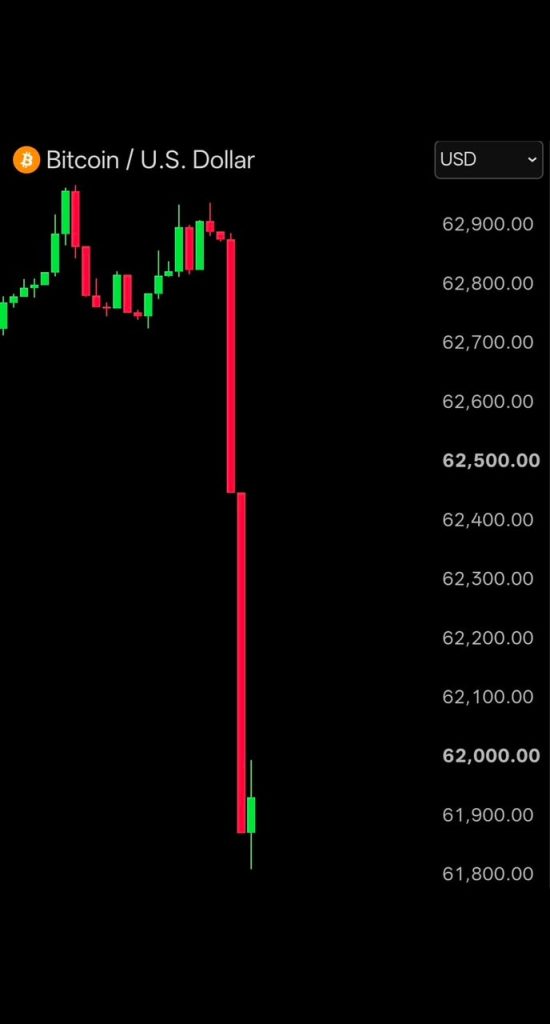
Bitcoin Price News: BTC Price Holds Above $62K Even After Strategy Sold $216 Million Worth of Bitcoin

JPMorgan sends blunt verdict on oil, economy

Circus Appoints Former Aviation and Automotive Executive as Co-CEO and CFO



