The DeFi world is reeling from the chaos surrounding Meteora and its disgraced founder Benjamin Chow. What began as a promising Solana-based liquidity protocol has erupted into scandal after revelations that the founder personally sent more than $1.2 million worth of MET airdrops to wallets connected to the Melania memecoin rugpull. These revelations surfaced just days before Chow was hit with an expansive U.S. class-action lawsuit accusing him of orchestrating multiple fraudulent schemes involving celebrity-themed tokens. In the past week alone, MET’s price has cratered 36%, but analysts warn that the fall could be far from over. The lawsuit accuses Chow and his affiliates of manipulating up to 15 tokens involving memes like “MELANIA” and “LIBRA,” each showing telltale “pump-and-dump” price patterns. Beyond the scandal’s legal dimensions, what makes Meteora’s implosion truly significant is that it exposes how much of DeFi’s token economy still depends on opaque allocation and insider favoritism. Investors had almost no visibility into the airdrop criteria, and founder-controlled wallets could be weaponized for self-enrichment. As investors rushed to exit, protocols like Orca and Raydium have been absorbing Meteora’s lost total value locked (TVL), increasing their market dominance across Solana’s DEX landscape. Capital flight from Meteora has accelerated, suggesting that users no longer view it as a safe liquidity hub. What we’re witnessing could spark a broader call for DeFi governance reform — especially as on-chain data reveals that founder-linked wallets in other projects are quietly cashing out during airdrop windows. The broader market implication is a crisis of trust. Transparent distribution now matters as much as yield performance. Projects that fail to show verifiable distribution logic face existential risk. Meteora didn’t just lose market share — it lost whatever remained of DeFi’s optimistic assumption that decentralization automatically equals honesty. Its collapse might be painful, but the reckoning it triggers may finally force the industry’s next evolution: accountability in protocol design. The Meteora Meltdown: How a $1.2 Million Airdrop Triggered a DeFi Reckoning was originally published in Coinmonks on Medium, where people are continuing the conversation by highlighting and responding to this storyThe DeFi world is reeling from the chaos surrounding Meteora and its disgraced founder Benjamin Chow. What began as a promising Solana-based liquidity protocol has erupted into scandal after revelations that the founder personally sent more than $1.2 million worth of MET airdrops to wallets connected to the Melania memecoin rugpull. These revelations surfaced just days before Chow was hit with an expansive U.S. class-action lawsuit accusing him of orchestrating multiple fraudulent schemes involving celebrity-themed tokens. In the past week alone, MET’s price has cratered 36%, but analysts warn that the fall could be far from over. The lawsuit accuses Chow and his affiliates of manipulating up to 15 tokens involving memes like “MELANIA” and “LIBRA,” each showing telltale “pump-and-dump” price patterns. Beyond the scandal’s legal dimensions, what makes Meteora’s implosion truly significant is that it exposes how much of DeFi’s token economy still depends on opaque allocation and insider favoritism. Investors had almost no visibility into the airdrop criteria, and founder-controlled wallets could be weaponized for self-enrichment. As investors rushed to exit, protocols like Orca and Raydium have been absorbing Meteora’s lost total value locked (TVL), increasing their market dominance across Solana’s DEX landscape. Capital flight from Meteora has accelerated, suggesting that users no longer view it as a safe liquidity hub. What we’re witnessing could spark a broader call for DeFi governance reform — especially as on-chain data reveals that founder-linked wallets in other projects are quietly cashing out during airdrop windows. The broader market implication is a crisis of trust. Transparent distribution now matters as much as yield performance. Projects that fail to show verifiable distribution logic face existential risk. Meteora didn’t just lose market share — it lost whatever remained of DeFi’s optimistic assumption that decentralization automatically equals honesty. Its collapse might be painful, but the reckoning it triggers may finally force the industry’s next evolution: accountability in protocol design. The Meteora Meltdown: How a $1.2 Million Airdrop Triggered a DeFi Reckoning was originally published in Coinmonks on Medium, where people are continuing the conversation by highlighting and responding to this story

The Meteora Meltdown: How a $1.2 Million Airdrop Triggered a DeFi Reckoning

2025/10/28 22:04
2 min read

The DeFi world is reeling from the chaos surrounding Meteora and its disgraced founder Benjamin Chow. What began as a promising Solana-based liquidity protocol has erupted into scandal after revelations that the founder personally sent more than $1.2 million worth of MET airdrops to wallets connected to the Melania memecoin rugpull. These revelations surfaced just days before Chow was hit with an expansive U.S. class-action lawsuit accusing him of orchestrating multiple fraudulent schemes involving celebrity-themed tokens.

In the past week alone, MET’s price has cratered 36%, but analysts warn that the fall could be far from over. The lawsuit accuses Chow and his affiliates of manipulating up to 15 tokens involving memes like “MELANIA” and “LIBRA,” each showing telltale “pump-and-dump” price patterns. Beyond the scandal’s legal dimensions, what makes Meteora’s implosion truly significant is that it exposes how much of DeFi’s token economy still depends on opaque allocation and insider favoritism. Investors had almost no visibility into the airdrop criteria, and founder-controlled wallets could be weaponized for self-enrichment.

As investors rushed to exit, protocols like Orca and Raydium have been absorbing Meteora’s lost total value locked (TVL), increasing their market dominance across Solana’s DEX landscape. Capital flight from Meteora has accelerated, suggesting that users no longer view it as a safe liquidity hub. What we’re witnessing could spark a broader call for DeFi governance reform — especially as on-chain data reveals that founder-linked wallets in other projects are quietly cashing out during airdrop windows.

The broader market implication is a crisis of trust. Transparent distribution now matters as much as yield performance. Projects that fail to show verifiable distribution logic face existential risk. Meteora didn’t just lose market share — it lost whatever remained of DeFi’s optimistic assumption that decentralization automatically equals honesty. Its collapse might be painful, but the reckoning it triggers may finally force the industry’s next evolution: accountability in protocol design.


The Meteora Meltdown: How a $1.2 Million Airdrop Triggered a DeFi Reckoning was originally published in Coinmonks on Medium, where people are continuing the conversation by highlighting and responding to this story.

Market Opportunity
DeFi Logo
DeFi Price(DEFI)
$0.000307
$0.000307$0.000307
-2.84%
USD
DeFi (DEFI) Live Price Chart
Disclaimer: The articles reposted on this site are sourced from public platforms and are provided for informational purposes only. They do not necessarily reflect the views of MEXC. All rights remain with the original authors. If you believe any content infringes on third-party rights, please contact service@support.mexc.com for removal. MEXC makes no guarantees regarding the accuracy, completeness, or timeliness of the content and is not responsible for any actions taken based on the information provided. The content does not constitute financial, legal, or other professional advice, nor should it be considered a recommendation or endorsement by MEXC.

You May Also Like

Wormhole launches reserve tying protocol revenue to token
Wormhole launches reserve tying protocol revenue to token

The post Wormhole launches reserve tying protocol revenue to token appeared on BitcoinEthereumNews.com. Wormhole is changing how its W token works by creating a new reserve designed to hold value for the long term. Announced on Wednesday, the Wormhole Reserve will collect onchain and offchain revenues and other value generated across the protocol and its applications (including Portal) and accumulate them into W, locking the tokens within the reserve. The reserve is part of a broader update called W 2.0. Other changes include a 4% targeted base yield for tokenholders who stake and take part in governance. While staking rewards will vary, Wormhole said active users of ecosystem apps can earn boosted yields through features like Portal Earn. The team stressed that no new tokens are being minted; rewards come from existing supply and protocol revenues, keeping the cap fixed at 10 billion. Wormhole is also overhauling its token release schedule. Instead of releasing large amounts of W at once under the old “cliff” model, the network will shift to steady, bi-weekly unlocks starting October 3, 2025. The aim is to avoid sharp periods of selling pressure and create a more predictable environment for investors. Lockups for some groups, including validators and investors, will extend an additional six months, until October 2028. Core contributor tokens remain under longer contractual time locks. Wormhole launched in 2020 as a cross-chain bridge and now connects more than 40 blockchains. The W token powers governance and staking, with a capped supply of 10 billion. By redirecting fees and revenues into the new reserve, Wormhole is betting that its token can maintain value as demand for moving assets and data between chains grows. This is a developing story. This article was generated with the assistance of AI and reviewed by editor Jeffrey Albus before publication. Get the news in your inbox. Explore Blockworks newsletters: Source: https://blockworks.co/news/wormhole-launches-reserve
Share
BitcoinEthereumNews2025/09/18 01:55
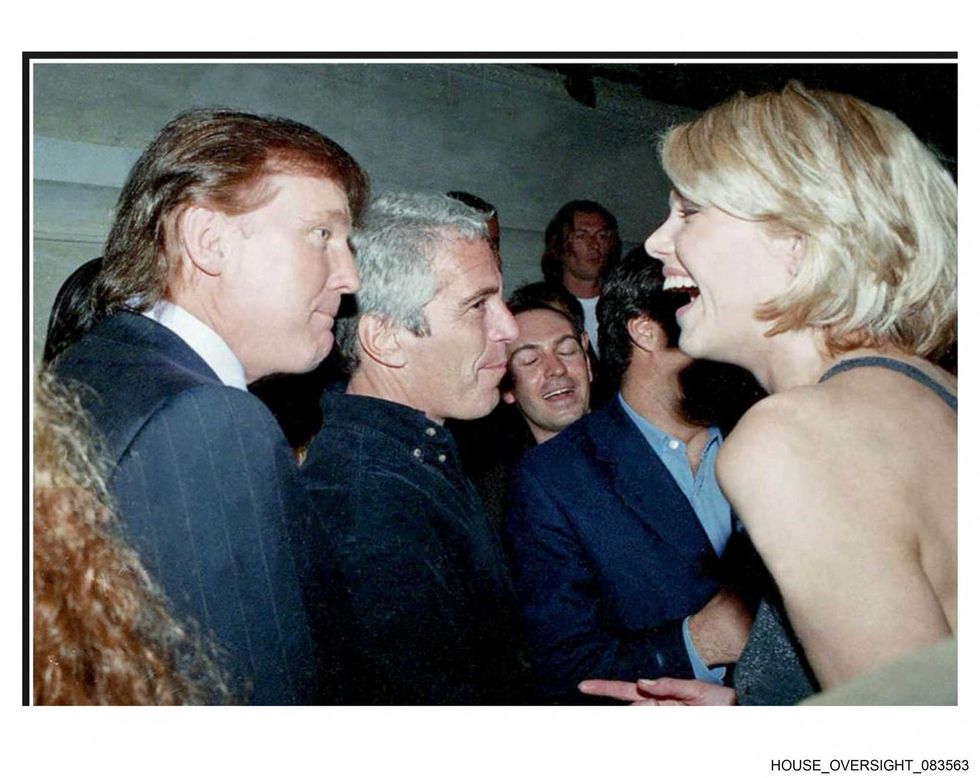
Trump's Epstein confession revealed in newly surfaced FBI files: 'Everyone knows'

Trump's Epstein confession revealed in newly surfaced FBI files: 'Everyone knows'

An explosive new report has yet again undercut President Donald Trump's repeated denials that he knew of the late sex offender Jeffrey Epstein's crimes against
Share
Rawstory2026/02/10 08:09
Trump sets a 15% growth target; Warsh's potential appointment as Fed head may increase pressure.

Trump sets a 15% growth target; Warsh's potential appointment as Fed head may increase pressure.

PANews reported on February 10th that, according to Jinshi, Trump stated that his nominee for Federal Reserve Chair could stimulate economic growth at a rate of
Share
PANews2026/02/10 08:28