

India’s prevention network is growing, but so are its chronic diseases
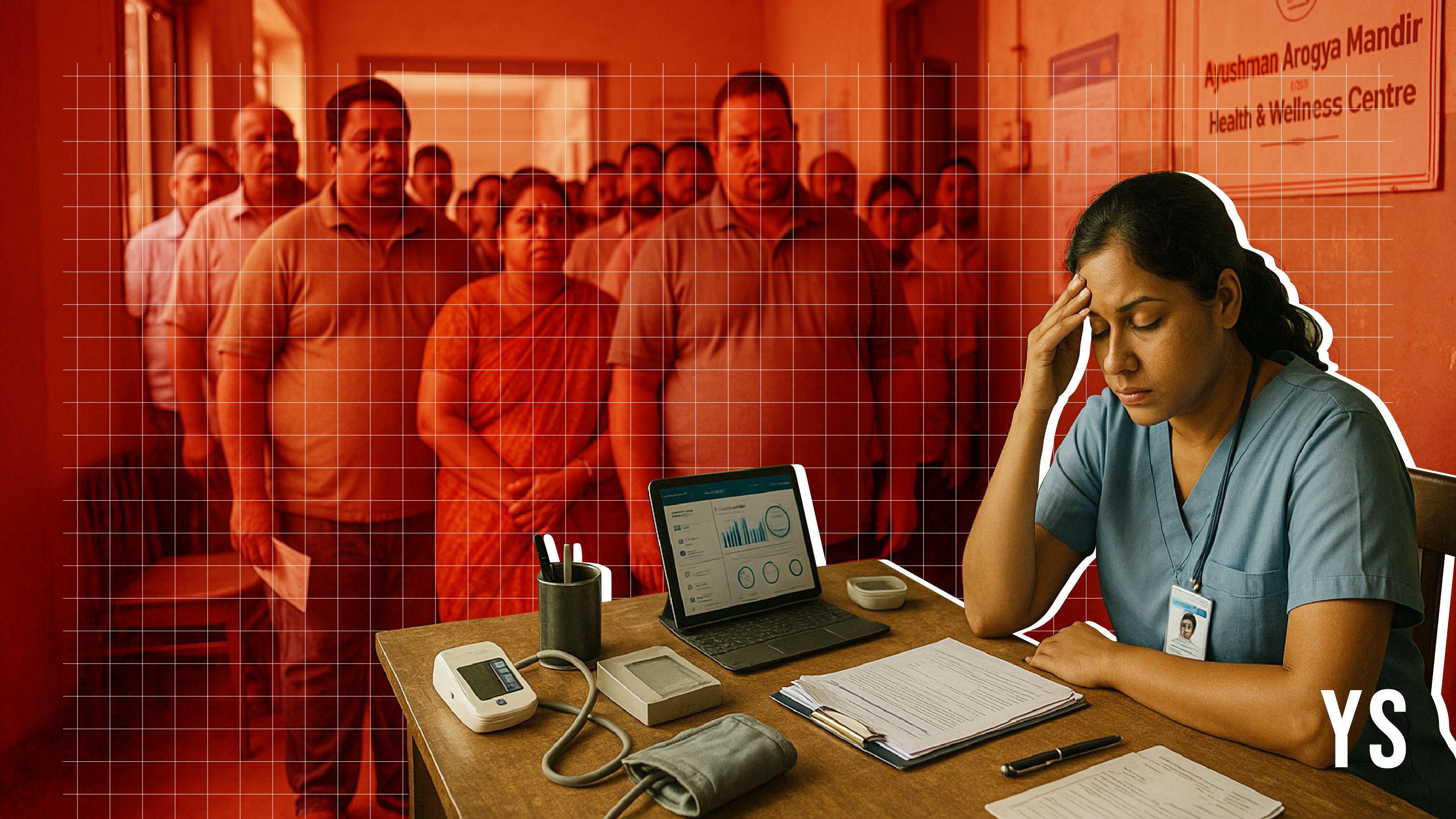
India is building one of the world’s most ambitious preventive-care ecosystems, hoping that early detection and digital monitoring can slow down the country’s rising tide of chronic diseases.
But a new analysis by the Tony Blair Institute released earlier this week warns that India’s prevention efforts, though unprecedented in scale, may struggle to keep pace with the rapid growth of obesity, diabetes, and cardiovascular disease.
To meet this challenge, India is expanding the Ayushman Arogya Mandir (AAM) network. With over 170,000 health and wellness centres that now anchor India’s primary care system, these facilities house maternal and child health services, non communicable disease (NCD) screening, family planning, and telemedicine access, becoming the first point of care for millions.
Crucially, AAMs serve as the gateway to India’s broader Ayushman Bharat ecosystem, ensuring early identification of high-risk patients and referring complex cases to higher-level institutions.
According to the report, this two-tier approach aims to reduce hospital load and shift India’s healthcare model from crisis response to early intervention.
This physical network is reinforced by one of the world’s fastest-growing digital public-health systems. The Ayushman Bharat Digital Mission (ABDM) has enabled unified, longitudinal health records through the Ayushman Bharat Health Account (ABHA) digital ID, allowing healthcare providers to track the progression of chronic diseases across years rather than single episodes of care.
The report finds that integrating patient histories, diagnostics, and treatment adherence improves clinical decision-making and helps identify population-level risks that would otherwise go undetected.
Digital tools are beginning to reshape frontline care as well. AI-enabled diagnostic systems, automated reminders for medication adherence, and decision-support platforms for community health workers are gradually improving the quality and consistency of chronic-disease management. The report highlights that such tools optimise resource deployment, ease administrative burden, and allow scarce medical personnel to focus on patients with the highest risk.
Yet the scale of India’s NCD burden raises questions about whether this infrastructure can keep up. Public-health expenditure remains extremely low at 1.1% of GDP, according to government data, and out-of-pocket spending still accounts for the majority of healthcare expenses.
As diabetes, hypertension, and obesity climb nationwide, the demand for ongoing monitoring, follow-up, and treatment is growing faster than budgets and staffing.
NCDs now account for over 60% of all deaths in the country, with diabetes, hypertension, and cardiovascular diseases rising sharply across both urban and rural populations. Managing these conditions requires continuous monitoring, long-term medication and regular diagnostic checks, precisely the areas where India’s public-health infrastructure remains the weakest, according to National Programme for prevention and control of Non-Communicable Diseases (NP-NCD).
Even though the share of out-of-pocket expenditure (OOPE) has fallen over the past decade, Indian families still pay nearly 40% of total health expenses out of pocket, according to National Health Accounts data.
For chronic illnesses such as diabetes and hypertension, which require lifelong care, this cost burden can be severe. Evidence from patient-level studies shows that OOPE remains a major reason for delayed diagnosis, irregular treatment, and poor long-term control.
Urbanisation is accelerating the problem. As India’s urban population heads toward 40% by 2030, sedentary lifestyles, packaged-food consumption, and poor nutritional awareness are driving metabolic diseases earlier and more aggressively. For vulnerable households, the healthcare costs associated with chronic illness are already pushing families into debt, or delaying treatment entirely, undermining the very goal of early detection.
India’s prevention network is structurally strong, but its success hinges on tackling the upstream factors: improving dietary awareness, strengthening regulation of processed foods, expanding community-level nutrition programmes, and investing consistently in primary care.
The report makes clear that advanced digital tools and widespread screening are necessary but insufficient unless paired with systemic reforms to food systems and affordability.
Edited by Megha Reddy
You May Also Like

Water150 Unveils Historical Satra Brunn Well: The Original Source of 150 Years of Premium Quality Spring Water Hydration

Amazon signs AI and cloud partnership to accelerate growth
