The post Vitalik Buterin Says Crypto Social Needs a Reset After X Ban Fallout appeared first on Coinpedia Fintech News As X rolls out mass bans and enforcement The post Vitalik Buterin Says Crypto Social Needs a Reset After X Ban Fallout appeared first on Coinpedia Fintech News As X rolls out mass bans and enforcement

Vitalik Buterin Says Crypto Social Needs a Reset After X Ban Fallout
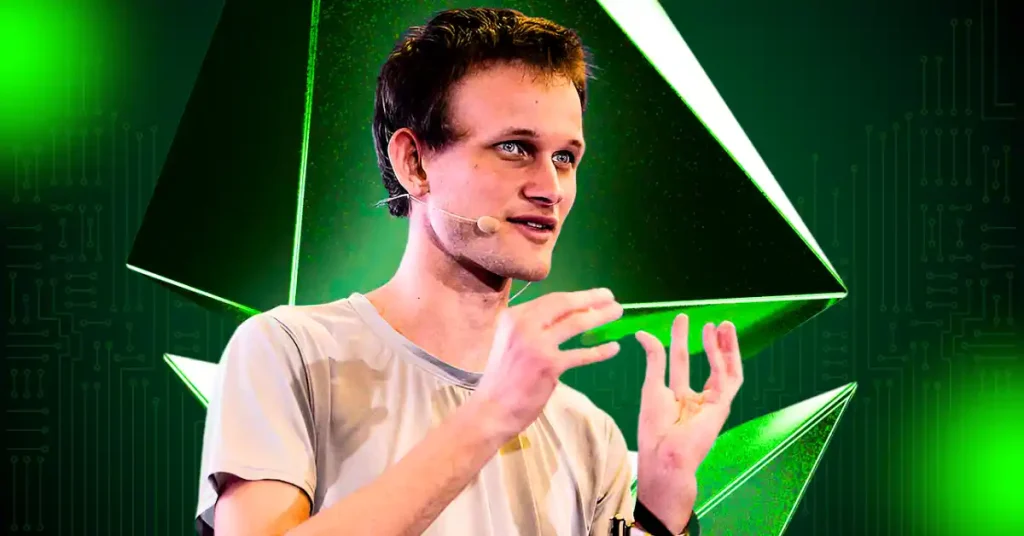
Vitalik Buterin Wants Ethereum to Survive Without Him, Reveals 7-Step Plan

The post Vitalik Buterin Says Crypto Social Needs a Reset After X Ban Fallout appeared first on Coinpedia Fintech News

As X rolls out mass bans and enforcement crackdowns, a familiar question is surfacing across crypto Twitter: if centralized platforms remain this fragile, where does crypto social really go next?

That question took center stage in a recent WuBlockchain Podcast interview featuring Ethereum co-founder Vitalik Buterin and Mask Network founder Suji Yan, where both laid out why decentralized social networks have struggled and why the next phase may look very different from past SocialFi experiments.

Why Decentralized Social Keeps Hitting a Wall

Vitalik didn’t sugarcoat the challenge. Despite years of experimentation, most decentralized social platforms fail for two core reasons: network effects and misaligned incentives.

“Almost no new social platforms have truly broken through at scale,” he said, pointing out that without users, even the best products feel empty. More importantly, many projects jump straight into tokenization, assuming finance can fix social problems.

“But if you start from social itself, the real issue is usually creator incentives,” Vitalik explained, noting that token-driven models often reward existing influence and speculation, not high-quality content.

Migration Is Real, But It’s Slow

Suji Yan framed the recent X bans as part of a longer pattern rather than a sudden turning point. User migration, he argued, is gradual and phased, not abrupt.

This helps explain why tools like aggregators and shared protocol layers are gaining attention, letting users explore decentralized social without fully abandoning existing networks.

Read More: Vitalik Buterin Wants Ethereum to Survive Without Him, Reveals 7-Step Plan

Wallets, Prediction Markets, and the Next Social Layer

One of the most forward-looking ideas discussed was the convergence of wallets and social platforms. Suji outlined a vision where users can post directly from any wallet, across any chain, reducing friction and onboarding barriers.

Vitalik added that wallets will increasingly protect identity and data, making interoperability essential.

He also highlighted prediction markets as a potential upgrade to online discourse.

Playing the Long Game

Both speakers agreed on one thing: decentralized social isn’t about replacing X overnight. It’s about improving discussion quality, reducing platform risk, and giving users more control – even if that takes years.

As Vitalik put it, the projects that succeed won’t feel like “crypto apps” at all. Blockchain, he said, should “fade into the background,” while better social experiences move to the foreground.

Disclaimer: The articles reposted on this site are sourced from public platforms and are provided for informational purposes only. They do not necessarily reflect the views of MEXC. All rights remain with the original authors. If you believe any content infringes on third-party rights, please contact service@support.mexc.com for removal. MEXC makes no guarantees regarding the accuracy, completeness, or timeliness of the content and is not responsible for any actions taken based on the information provided. The content does not constitute financial, legal, or other professional advice, nor should it be considered a recommendation or endorsement by MEXC.

You May Also Like

Wormhole launches reserve tying protocol revenue to token

Wormhole launches reserve tying protocol revenue to token

The post Wormhole launches reserve tying protocol revenue to token appeared on BitcoinEthereumNews.com. Wormhole is changing how its W token works by creating a new reserve designed to hold value for the long term. Announced on Wednesday, the Wormhole Reserve will collect onchain and offchain revenues and other value generated across the protocol and its applications (including Portal) and accumulate them into W, locking the tokens within the reserve. The reserve is part of a broader update called W 2.0. Other changes include a 4% targeted base yield for tokenholders who stake and take part in governance. While staking rewards will vary, Wormhole said active users of ecosystem apps can earn boosted yields through features like Portal Earn. The team stressed that no new tokens are being minted; rewards come from existing supply and protocol revenues, keeping the cap fixed at 10 billion. Wormhole is also overhauling its token release schedule. Instead of releasing large amounts of W at once under the old “cliff” model, the network will shift to steady, bi-weekly unlocks starting October 3, 2025. The aim is to avoid sharp periods of selling pressure and create a more predictable environment for investors. Lockups for some groups, including validators and investors, will extend an additional six months, until October 2028. Core contributor tokens remain under longer contractual time locks. Wormhole launched in 2020 as a cross-chain bridge and now connects more than 40 blockchains. The W token powers governance and staking, with a capped supply of 10 billion. By redirecting fees and revenues into the new reserve, Wormhole is betting that its token can maintain value as demand for moving assets and data between chains grows. This is a developing story. This article was generated with the assistance of AI and reviewed by editor Jeffrey Albus before publication. Get the news in your inbox. Explore Blockworks newsletters: Source: https://blockworks.co/news/wormhole-launches-reserve
Share
BitcoinEthereumNews2025/09/18 01:55
UK and US Seal $42 Billion Tech Pact Driving AI and Energy Future

UK and US Seal $42 Billion Tech Pact Driving AI and Energy Future

The post UK and US Seal $42 Billion Tech Pact Driving AI and Energy Future appeared on BitcoinEthereumNews.com. Key Highlights Microsoft and Google pledge billions as part of UK US tech partnership Nvidia to deploy 120,000 GPUs with British firm Nscale in Project Stargate Deal positions UK as an innovation hub rivaling global tech powers UK and US Seal $42 Billion Tech Pact Driving AI and Energy Future The UK and the US have signed a “Technological Prosperity Agreement” that paves the way for joint projects in artificial intelligence, quantum computing, and nuclear energy, according to Reuters. Donald Trump and King Charles review the guard of honour at Windsor Castle, 17 September 2025. Image: Kirsty Wigglesworth/Reuters The agreement was unveiled ahead of U.S. President Donald Trump’s second state visit to the UK, marking a historic moment in transatlantic technology cooperation. Billions Flow Into the UK Tech Sector As part of the deal, major American corporations pledged to invest $42 billion in the UK. Microsoft leads with a $30 billion investment to expand cloud and AI infrastructure, including the construction of a new supercomputer in Loughton. Nvidia will deploy 120,000 GPUs, including up to 60,000 Grace Blackwell Ultra chips—in partnership with the British company Nscale as part of Project Stargate. Google is contributing $6.8 billion to build a data center in Waltham Cross and expand DeepMind research. Other companies are joining as well. CoreWeave announced a $3.4 billion investment in data centers, while Salesforce, Scale AI, BlackRock, Oracle, and AWS confirmed additional investments ranging from hundreds of millions to several billion dollars. UK Positions Itself as a Global Innovation Hub British Prime Minister Keir Starmer said the deal could impact millions of lives across the Atlantic. He stressed that the UK aims to position itself as an investment hub with lighter regulations than the European Union. Nvidia spokesman David Hogan noted the significance of the agreement, saying it would…
Share
BitcoinEthereumNews2025/09/18 02:22
ZK-powered Bitcoin Layer 2 Citrea launches mainnet

ZK-powered Bitcoin Layer 2 Citrea launches mainnet

Citrea uses a zero-knowledge Ethereum Virtual Machine to inscribe its chain history on the Bitcoin base layer.
Share
Coinstats2026/01/27 22:01