

What is the 70/30 rule in stocks? A plain guide for everyday investors
This article explains what the rule means in plain language, who might consider it, and how to implement it across common account types in 2026. Use this as a starting framework and verify tax or complex decisions with primary sources or a licensed advisor.
Quick answer: what the 70/30 rule in stocks means
Short definition
The 70/30 rule usually means roughly 70 percent of a portfolio is in equities and about 30 percent is in bonds or cash, used as a simple moderate-growth, moderate-risk allocation that can suit investors with a multi-year time horizon Investopedia 70/30 portfolio definition.
It is an asset-allocation rule, not a stock-picking method, so the practical way to use it is with diversified funds or exchange traded funds rather than choosing individual names.
How it differs from other splits
Compared with more equity-heavy splits, a 70/30 portfolio tilts toward stability by keeping a meaningful bond allocation to reduce volatility. Compared with conservative mixes, it keeps enough equity exposure to aim for growth over many years. That balance is the core idea behind this asset allocation approach.
Who typically considers it
People who think of moderate growth, such as mid-career savers or those who want some downside protection while staying exposed to market upside, often consider a 70/30 split. For more on these choices, see our personal finance coverage.
Who the 70/30 split typically suits and why
Investor profiles that might consider it
For many everyday investors, a 70/30 portfolio is a middle option between aggressive growth and conservative income strategies; it may suit someone who wants growth but cannot tolerate the swings of an all-equity portfolio Morningstar asset allocation guidance.
Typical profiles include mid-career workers saving for long-term goals, people who expect moderate withdrawals later, and savers who prefer a clearer rule for risk budgeting. Age, time until retirement, and other income sources should guide any shift away from this split.

When to tilt away from 70/30
If you are early in your career and have a long time horizon, you may lean heavier toward equities for a chance at higher long-run returns. Conversely, if you will need income in the short term or value capital preservation, a smaller equity allocation may be appropriate.
How goals and risk tolerance change the choice
Asset allocation drives a large share of how a portfolio behaves over time, so the initial split matters. Academic and industry work find allocation choices explain much of portfolio variability, which is why matching allocation to risk tolerance and goals is central to using any rule like 70/30 CFA Institute research on asset allocation considerations.
Explore FinancePolice advertising and partnership options
If you want brief, practical checklists for portfolio setup, consider signing up for the FinancePolice newsletter for concise guides and reminders.
View advertising options
Core framework: how to build a 70/30 portfolio step by step
Choose accounts and tax considerations
Start by deciding which accounts will hold equities and which will hold bonds, because tax treatment affects which funds to place where. Tax-advantaged accounts like an IRA or 401(k) are often good places for taxable-generating assets, while tax-efficient equity funds may sit in taxable accounts Vanguard guidance on asset allocation and account placement. See our tax-efficient investing guide for related ideas.
Consider whether you have contribution limits, employer matches, or tax-loss harvesting needs when naming where to place each piece of the 70/30 split.
Select funds or ETFs
Use low-cost broad-market equity ETFs or index mutual funds for the equity portion and broad bond funds or short- to intermediate-term bond ETFs for the bond portion. Low fees and broad diversification are the practical priorities when implementing a simple allocation.
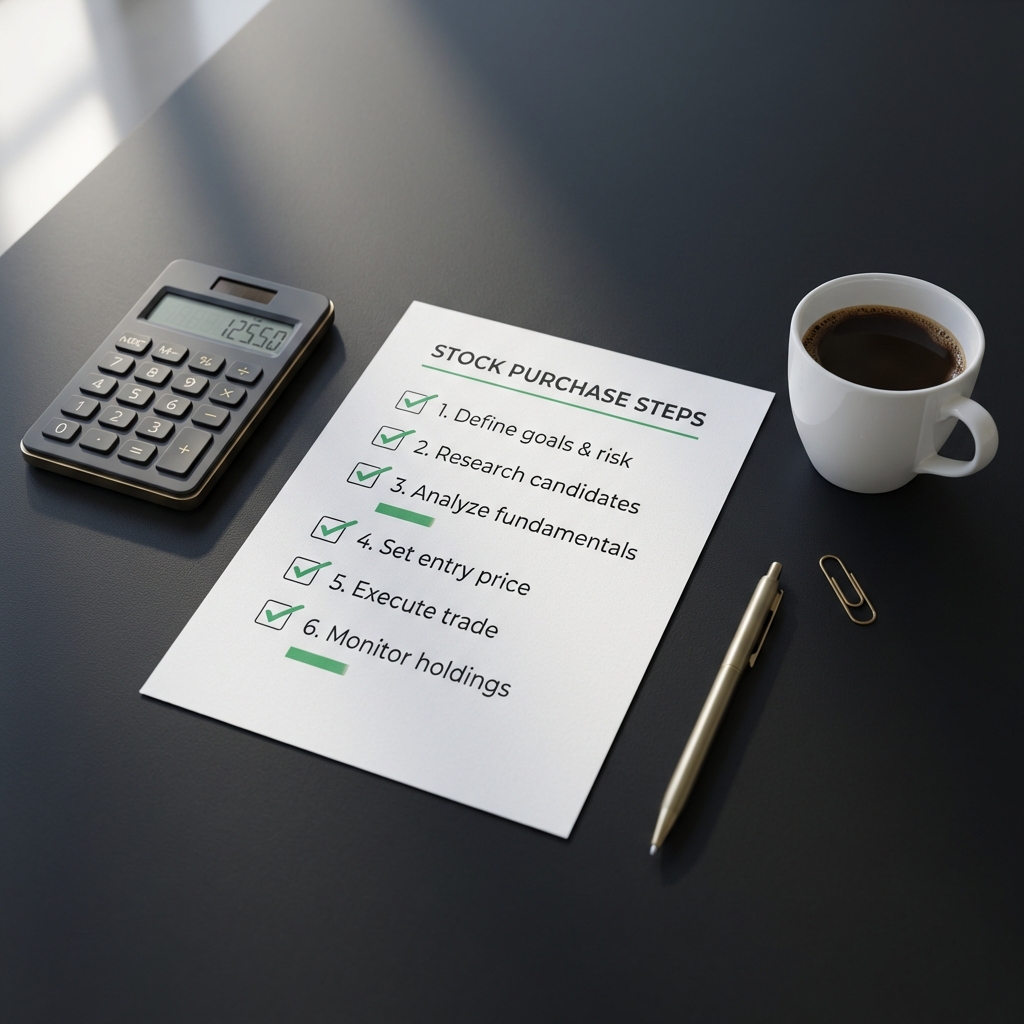
For many beginners, a few well-chosen funds can replace complex lists of individual securities and make ongoing administration easier.
Set targets and document rules
Write down the target 70 percent equity and 30 percent bond split and decide on a rebalancing rule. Recording targets and the schedule helps prevent drift and emotional reactions to market moves.
As a step-by-step checklist, pick accounts, choose low-cost funds, set the 70/30 targets, allocate amounts across accounts, and record your rebalancing rule for future reference.
Rebalancing options and tax-aware implementation
Calendar-based vs band-based rebalancing
There are two common approaches to rebalancing: calendar-based, where you rebalance on a fixed schedule such as quarterly or annually, and band-based, where you rebalance when allocations stray by a preset band like plus or minus five percentage points. Both approaches aim to keep the portfolio near the intended risk exposure SEC investor.gov guidance on rebalancing. Vanguard also offers a practical rebalancing guide Vanguard rebalancing guide.
Calendar rules are predictable and simple. Band rules can reduce unnecessary trades but may lead to more drift if bands are wide. For a primer on specific approaches, see Investopedia on rebalancing strategies.
The 70/30 rule means roughly 70 percent equities and 30 percent bonds or cash as a moderate-growth allocation. It can be a useful starting point for many beginners, but suitability depends on personal time horizon, risk tolerance, and tax situation.
Tax consequences in taxable accounts
Rebalancing in taxable accounts can trigger capital gains if you sell winners to buy laggards. To limit taxable events, consider using new contributions to rebalance or move assets across tax-advantaged accounts when allowed, and check the tax impact before selling taxable holdings.
Documenting a rule and checking for transaction costs and taxes before implementing rebalancing helps avoid surprise tax bills and unnecessary turnover.
Practical rebalancing examples
An example band-based rule might be to rebalance when equity drifts to 75 percent or falls to 65 percent, while a calendar option might be a single annual rebalance. Which is better depends on trading costs, tax posture, and personal preference. Some practitioners discuss practical when-to-rebalance rules in pieces like White Coat Investor’s rebalancing guide.
Think through tradeoffs between turnover, tax exposure, and the administrative effort required. Each choice changes realized risk and after-tax outcomes in taxable accounts.
What research says about allocation, risk, and returns
Why allocation matters
Foundational studies and industry summaries show that strategic asset-allocation decisions explain a large portion of long-term portfolio return variability, which is why the initial split between equities and bonds matters more than many short-term choices Brinson, Hood and Beebower analysis on determinants of portfolio performance.
That does not mean security selection and timing are irrelevant, but allocation sets the primary risk-return profile of a portfolio.
Limits of allocation vs security selection
While allocation explains much of overall behavior, picking low-cost funds and avoiding avoidable fees still matters. Security selection and market timing can influence returns, particularly over shorter horizons, and investors should not treat allocation as the only decision that matters.
Use allocation to set expected behavior and use low-cost diversified instruments to keep implementation clean and transparent.
Practical takeaway from studies
Interpret research as showing allocation sets the expected behavior of a portfolio, not as a guarantee of outcomes. Historical analyses guide expectations but do not promise future returns.
For everyday investors, the practical step is to pick a sensible allocation that matches personal goals and then implement it with low-cost funds and a documented plan.
Common mistakes and pitfalls when using the 70/30 rule
Ignoring account placement and taxes
A common mistake is not considering tax consequences when moving assets, which can create unnecessary capital gains in taxable accounts. Thinking through where to place income-generating bonds versus tax-efficient equities reduces unwanted tax friction Vanguard on tax-aware placement and asset allocation.
Over- or under-rebalancing
Both too-frequent and too-infrequent rebalancing can be harmful. Frequent rebalancing increases transaction costs and taxes. Rare rebalancing allows drift that may expose you to unintended risk levels. Choose a rule and document it to avoid emotional mistakes.
Mismatch with investor goals
Treating 70/30 as a one-size-fits-all solution is another pitfall. Your age, income needs, emergency fund, and other assets should inform whether the 70/30 rule is a starting point or an adjustment that requires professional advice for complex situations Morningstar on tailoring allocation to investor goals.
Practical examples and a short checklist to get started
Three example scenarios
Scenario one, a conservative saver who wants moderate growth: this person might use 70 percent equities and 30 percent bonds across retirement and taxable accounts but bias safer bond fund choices in near-term savings.
Scenario two, a mid-career investor seeking balance: use broad-market equity funds for the 70 percent and a mix of intermediate-term bond funds for the 30 percent, with an annual rebalancing rule.
Scenario three, a cautious retiree: the retiree may keep a higher bond allocation overall and use 70/30 as part of a larger liability-aware strategy, or choose a lower equity share depending on income needs.
Step-by-step checklist
Pick accounts such as IRA, 401(k), or taxable; choose low-cost broad-market equity and bond funds; set targets at 70 percent equity and 30 percent bonds; document a rebalancing rule; and review at least annually to confirm the allocation still matches goals and risk tolerance SEC investor.gov on allocation and review. See our investing section.
Where possible, use new contributions to rebalance and limit taxable trades unless necessary.
simple percentage calculator to apply a 70/30 split to your portfolio
–
USD
enter totals in whole currency units
No. The 70/30 rule is a starting point for moderate growth but should be adjusted for age, risk tolerance, income needs, and other assets.
Common approaches are calendar-based (for example, annually) or band-based (rebalance when allocations deviate by a set band). Choose the method that balances taxes, costs, and effort.
Many investors use low-cost broad-market equity ETFs or index funds for the equity portion and broad bond funds or bond ETFs for the bond portion, while considering tax placement across accounts.
If your situation is complex, consider talking with a qualified advisor and consult primary sources for tax specifics before making taxable trades.
References
- https://www.investopedia.com/terms/1/70-30-portfolio.asp
- https://financepolice.com/category/personal-finance/
- https://www.morningstar.com/articles/asset-allocation
- https://www.cfainstitute.org/en/research
- https://financepolice.com/maximize-your-portfolio-returns-with-tax-efficient-investing-strategies-for-2026-and-future-years/
- https://investor.vanguard.com/investing/asset-allocation
- https://financepolice.com/investor-resources-education/portfolio-management/rebalancing-your-portfolio
- https://www.investor.gov/introduction-investing/investing-basics/how-investors-can-protect-their-money/asset-allocation-diversification-rebalancing
- https://www.investor.gov/introduction-investing/investing-basics/how-investors-can-protect-their-money/asset-allocation-diversification-rebalancing
- https://www.investopedia.com/articles/stocks/11/rebalancing-strategies.asp
- https://www.whitecoatinvestor.com/rebalancing-back-to-basics/
- https://www.cfainstitute.org/-/media/documents/article/2013/determinants-of-portfolio-performance.ashx
- https://financepolice.com/advertise/
- https://financepolice.com/category/investing/
You May Also Like

The Channel Factories We’ve Been Waiting For

Shanghai residents flock to sell gold as its price hit record highs
