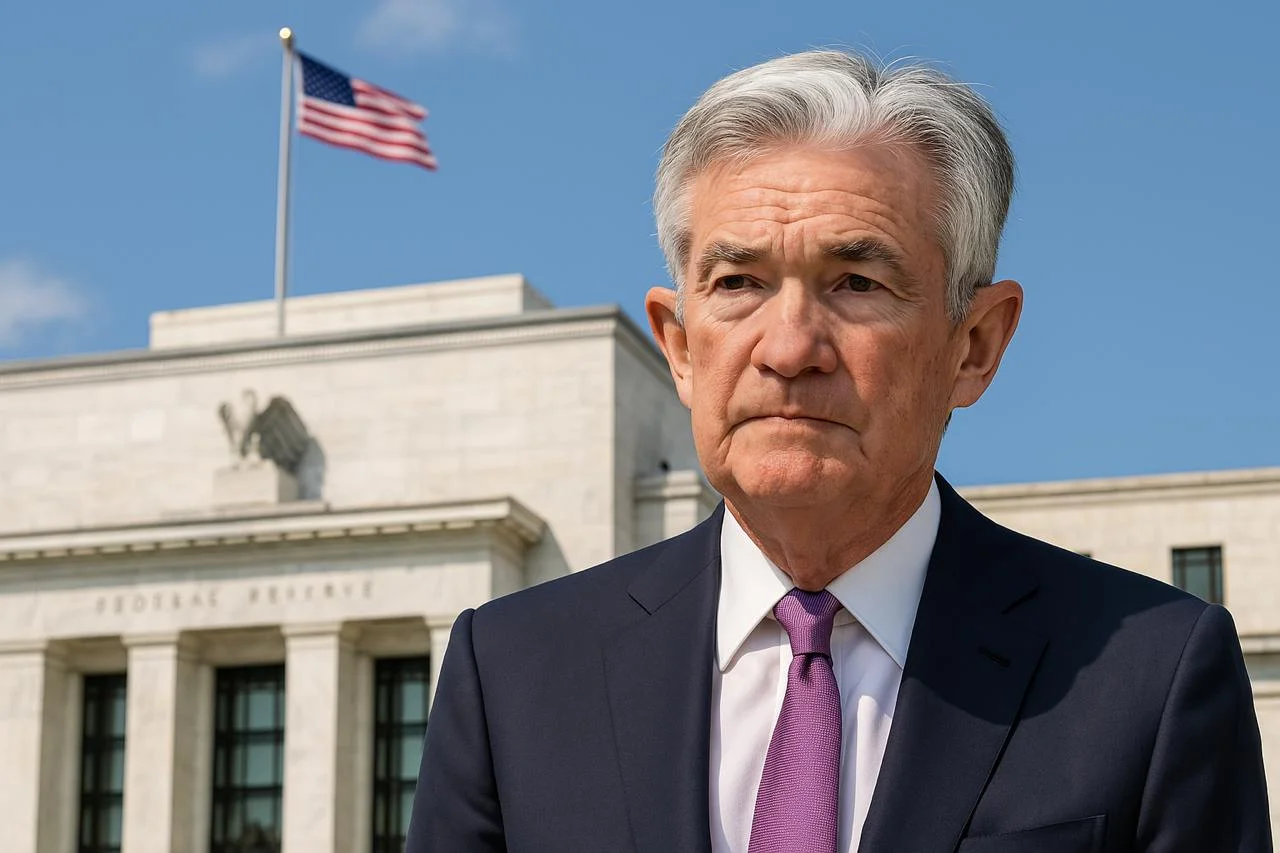
Bitcoin Enters Banks! Germany's ING Makes Crypto as Easy as Buying Stocks — Retail Joins the Party
ING Deutschland Opens the Door to Crypto: How Bank-Based ETPs Are Bringing Bitcoin to Everyday Investors
On February 2, 2026, Germany’s relationship with digital assets entered a new phase. For the first time, millions of retail banking customers gained direct access to crypto exposure without opening a new app, managing private keys, or navigating unfamiliar exchanges. Through a new rollout of regulated crypto exchange-traded products (ETPs), ING Deutschland has integrated Bitcoin, Ethereum, and Solana into its core investment platform.
The move marks a decisive shift in how traditional banks approach digital assets. Rather than treating crypto as an external or experimental product, ING has embedded it into the same system customers already use for stocks, bonds, and ETFs. For more than nine million account holders, buying crypto now feels no different from purchasing shares in a listed company.
 |
| Source: X(formerly Twitter) |
This development is not just a product launch. It reflects broader changes in regulation, investor behavior, and the role of banks in a blockchain-enabled financial system.
From Niche Apps to Mainstream Banking
For years, crypto adoption in Europe followed a familiar pattern. Early users relied on specialized exchanges, hardware wallets, and self-custody solutions. While these tools offered autonomy, they also created barriers for the average investor. Losing a seed phrase or mismanaging private keys could mean permanent loss of funds, a risk many retail users were unwilling to take.
ING’s new crypto ETP offering removes those friction points. Instead of holding digital assets directly, customers gain exposure through regulated products issued by established asset managers. These instruments are traded inside ING’s “Direct Depot,” the same account used for traditional investments.
By eliminating the technical complexity, ING addresses one of the most persistent obstacles to mass crypto adoption: usability.
What Exactly Are ING Deutschland Crypto ETPs?
Crypto ETPs are investment products that track the price of an underlying digital asset while trading on regulated exchanges like traditional securities. ING’s lineup includes physically backed products tied to Bitcoin, Ethereum, and Solana, alongside diversified crypto index products.
The issuers behind these instruments include VanEck, 21Shares, and Bitwise, firms with long-standing experience in digital asset management.
“Physically backed” means the issuer actually holds the underlying cryptocurrency in secure cold storage, rather than relying on derivatives or synthetic exposure. This structure reduces counterparty risk and aligns the product’s value closely with real market prices.
Why This Matters for Retail Investors
By late 2025, an estimated 9 percent of Germans had already interacted with digital assets in some form. Yet many remained hesitant to invest more deeply due to security concerns, regulatory uncertainty, and tax complexity.
ING’s crypto ETPs address these concerns in several ways:
First, all holdings sit within a regulated banking environment. Investors benefit from familiar reporting standards, investor protections, and oversight mechanisms that are absent on many offshore exchanges.
Second, the products integrate seamlessly with existing portfolios. Crypto exposure appears alongside equities, ETFs, and savings instruments, allowing for easier diversification and portfolio management.
Third, the bank handles much of the administrative burden. Transaction records, valuations, and tax documentation are automatically generated, simplifying compliance for individual investors.
Solana Staking and Index Exposure
Some of the Solana-based ETPs available through ING offer staking components. This allows investors to earn additional yield by participating indirectly in network validation, similar to earning interest on a savings account. While returns vary depending on network conditions, staking introduces a passive income element that appeals to long-term holders.
In addition, ING offers crypto market index products that track baskets of leading digital assets. These instruments allow investors to gain broad exposure without selecting individual tokens, reducing concentration risk and volatility.
For cautious investors, this index-based approach mirrors the logic of traditional equity indices, applying a familiar investment framework to an emerging asset class.
The Tax Advantage Under German Law
One of the strongest drivers of interest in ING Deutschland crypto ETPs is Germany’s favorable tax treatment. Under guidelines reaffirmed by the Federal Ministry of Finance, capital gains on crypto investments held longer than one year are tax-free for private individuals.
This rule applies to physically backed crypto ETPs when held within qualifying structures. As a result, long-term investors can potentially realize significant gains without incurring capital gains tax, provided holding requirements are met.
ING further simplifies this process by supplying standardized tax reports, reducing the risk of errors that often accompany self-managed crypto trading across multiple platforms.
Safety and Custody: A Different Risk Profile
While no investment is without risk, ING’s approach significantly alters the risk profile compared to self-custody or unregulated exchanges. The underlying assets are stored in institutional-grade cold wallets, managed by professional custodians with insurance and compliance frameworks in place.
This setup contrasts sharply with past exchange failures, where inadequate oversight and opaque balance sheets exposed users to sudden losses. By keeping crypto exposure within the regulated banking system, ING reduces operational and counterparty risks that have historically plagued the sector.
A Strategic Shift in European Banking
ING’s decision reflects a broader change across Europe’s financial landscape. With the Markets in Crypto-Assets (MiCA) regulation now in force, banks have clearer guidelines on how to offer digital asset products legally and responsibly.
Rather than competing with decentralized platforms, banks are positioning themselves as access points, offering compliant, user-friendly gateways to crypto markets. This strategy appeals to investors who value stability and regulatory clarity over full decentralization.
Industry analysts see ING’s move as a signal that crypto is no longer viewed as a fringe asset class. Instead, it is being integrated into mainstream financial infrastructure, much like commodities or foreign currencies.
What This Means for the Future of Crypto Adoption
By embedding crypto ETPs into everyday banking, ING lowers the psychological and technical barriers that have limited adoption among conservative investors. Bitcoin, once considered speculative and complex, now sits alongside blue-chip stocks in a regulated portfolio.
This shift may not satisfy purists who advocate full self-custody and decentralization. However, it represents a pragmatic step toward broader participation, particularly among older and more risk-averse demographics.
As more banks follow this model, crypto exposure could become a standard component of retail portfolios across Europe. The focus will likely shift from how to access crypto to how much exposure makes sense within a balanced investment strategy.
Conclusion
The launch of ING Deutschland crypto ETPs marks a turning point for digital asset investing in Germany. By combining regulatory compliance, ease of use, and institutional-grade security, ING has transformed crypto from a specialized activity into a mainstream banking feature.
For millions of customers, buying Bitcoin or Ethereum no longer requires navigating unfamiliar technology. Instead, it has become as straightforward as purchasing a stock. In doing so, ING has not only expanded access to digital assets but also redefined the role of traditional banks in a blockchain-driven financial future.
hokanews.com – Not Just Crypto News. It’s Crypto Culture.
Writer @Erlin
Erlin is an experienced crypto writer who loves to explore the intersection of blockchain technology and financial markets. She regularly provides insights into the latest trends and innovations in the digital currency space.
Check out other news and articles on Google News
Disclaimer:
The articles published on hokanews are intended to provide up-to-date information on various topics, including cryptocurrency and technology news. The content on our site is not intended as an invitation to buy, sell, or invest in any assets. We encourage readers to conduct their own research and evaluation before making any investment or financial decisions.
hokanews is not responsible for any losses or damages that may arise from the use of information provided on this site. Investment decisions should be based on thorough research and advice from qualified financial advisors. Information on HokaNews may change without notice, and we do not guarantee the accuracy or completeness of the content published.
You May Also Like
Vitalik Buterin Challenges Ethereum’s Layer 2 Paradigm

USAA Names Dan Griffiths Chief Information Officer to Drive Secure, Simplified Digital Member Experiences