The CFTC has turned a corner. It rescinded a proposed contentious regulation. The regulation directly focused on forecasting markets. It was intended to prohibitThe CFTC has turned a corner. It rescinded a proposed contentious regulation. The regulation directly focused on forecasting markets. It was intended to prohibit

CFTC Reverses Course on Prediction Markets in Regulatory Shift

2026/02/05 13:23
3 min read

The CFTC has turned a corner. It rescinded a proposed contentious regulation. The regulation directly focused on forecasting markets. It was intended to prohibit sports markets. It also was aimed at political markets. Regulators have however withdrawn. This action is a drastic turnaround. The government in the previous regime was aggressive in restricting it. The modal of that time was enforced. Innovation was not welcomed. Now policy tone has shifted. Thus, constructors get another chance. Furthermore, markets have a feeling of regulatory space. This transformation results in confidence. It lowers legal uncertainty as well. Consequently, action can become fast.

Prediction Markets

Already, prediction markets work on a large scale. By the end of Polymarket, it is demonstrated that there is demand. It has processed more than three billion dollars. That was the same volume of the 2024 election. Market probabilities were depended on by the users. Instead, they believed the multitudes rather than the polls. These sites are effective information gathering platforms. They compensate correctness with money. In the past, regulators cast their doubts on legality. They referred to risk of consumer protection. Now that stance softens. Capital can flow more freely. Thus, decentralized forecasting is once more on the increase.

Past Enforcement Measures

Previous policy was more hard and line. Governments restricted the supply in the market. They limited political contracts. Such strategy slackened acceptance. It also induced offshoring. At the same time, users were still in need. Markets were still expanding unobtrusively. Regulators seem to be more practical. They are aware of inevitability. They also recognize the benefits of transparency. Consequently, compliance paths development is under planning. That shift matters long term.

Crypto and Web3 Builder Implications

This is an advantage to crypto-native platforms. They are based on regulatory transparency. This move decreases existential risk. It is also appealing to the institutions. Constructors have the freedom to plan. Investors become convinced again. Besides, prediction markets combine well with blockchains. Smart contracts are automated settlements. On-chain information guarantees transparency. Thus, the Web3 applications are increased. Such move reinforces the utility narrative of crypto. It also defends the decentralized information markets. The next thing is that the adoption may increase dramatically.

Market Response

There is an ambivalent response by the community. The builders are very optimistic. They promote fast implementation. They call this a green light. Others remain skeptical. They cast doubt on the long-term endurance. They caution against reversals of the future. Still, momentum matters. Behaviour is influenced by regulatory cues. This indicator is more supportive of innovation. Accordingly, the number of those involved can explode. Liquidity might be fast to follow. In the long term, legitimacy growth takes place. The trend advocates widespread use.

The post CFTC Reverses Course on Prediction Markets in Regulatory Shift appeared first on Coinfomania.

Disclaimer: The articles reposted on this site are sourced from public platforms and are provided for informational purposes only. They do not necessarily reflect the views of MEXC. All rights remain with the original authors. If you believe any content infringes on third-party rights, please contact service@support.mexc.com for removal. MEXC makes no guarantees regarding the accuracy, completeness, or timeliness of the content and is not responsible for any actions taken based on the information provided. The content does not constitute financial, legal, or other professional advice, nor should it be considered a recommendation or endorsement by MEXC.

You May Also Like

Cashing In On University Patents Means Giving Up On Our Innovation Future
Cashing In On University Patents Means Giving Up On Our Innovation Future

The post Cashing In On University Patents Means Giving Up On Our Innovation Future appeared on BitcoinEthereumNews.com. “It’s a raid on American innovation that would deliver pennies to the Treasury while kneecapping the very engine of our economic and medical progress,” writes Pipes. Getty Images Washington is addicted to taxing success. Now, Commerce Secretary Howard Lutnick is floating a plan to skim half the patent earnings from inventions developed at universities with federal funding. It’s being sold as a way to shore up programs like Social Security. In reality, it’s a raid on American innovation that would deliver pennies to the Treasury while kneecapping the very engine of our economic and medical progress. Yes, taxpayer dollars support early-stage research. But the real payoff comes later—in the jobs created, cures discovered, and industries launched when universities and private industry turn those discoveries into real products. By comparison, the sums at stake in patent licensing are trivial. Universities collectively earn only about $3.6 billion annually in patent income—less than the federal government spends on Social Security in a single day. Even confiscating half would barely register against a $6 trillion federal budget. And yet the damage from such a policy would be anything but trivial. The true return on taxpayer investment isn’t in licensing checks sent to Washington, but in the downstream economic activity that federally supported research unleashes. Thanks to the bipartisan Bayh-Dole Act of 1980, universities and private industry have powerful incentives to translate early-stage discoveries into real-world products. Before Bayh-Dole, the government hoarded patents from federally funded research, and fewer than 5% were ever licensed. Once universities could own and license their own inventions, innovation exploded. The result has been one of the best returns on investment in government history. Since 1996, university research has added nearly $2 trillion to U.S. industrial output, supported 6.5 million jobs, and launched more than 19,000 startups. Those companies pay…
Share
BitcoinEthereumNews2025/09/18 03:26
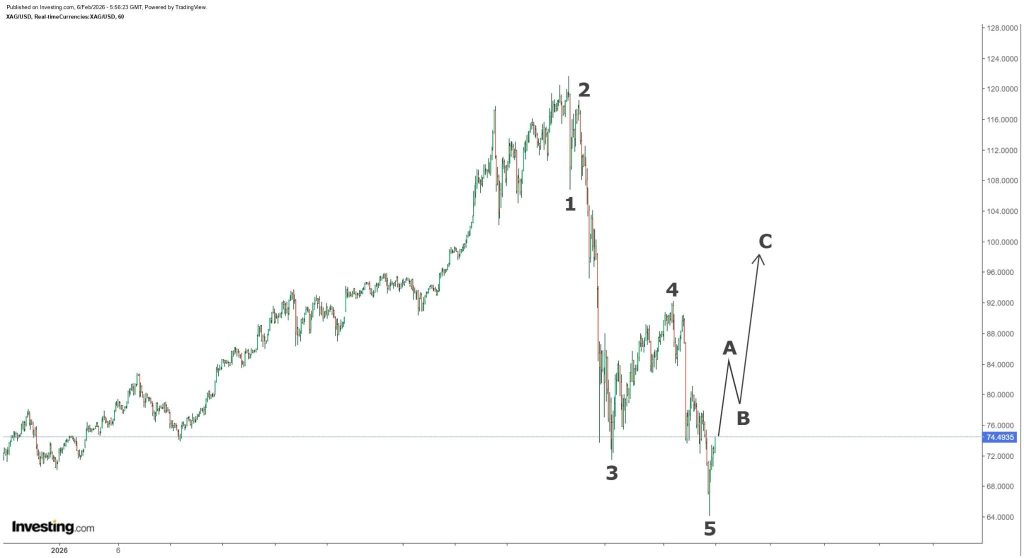
Silver Price Crash Is Over “For Real This Time,” Analyst Predicts a Surge Back Above $90

Silver Price Crash Is Over “For Real This Time,” Analyst Predicts a Surge Back Above $90

Silver has been taking a beating lately, and the Silver price hasn’t exactly been acting like a safe haven. After running up into the highs, the whole move reversed
Share
Captainaltcoin2026/02/07 03:15
Citi Caps Year-End at $4,300, But ETF outflows Challenge Outlook

Citi Caps Year-End at $4,300, But ETF outflows Challenge Outlook

The post Citi Caps Year-End at $4,300, But ETF outflows Challenge Outlook appeared on BitcoinEthereumNews.com. Ethereum Price Prediction: Citi Caps Year-End at $4,300, But ETF outflows Challenge Outlook Disclaimer: The information found on NewsBTC is for educational purposes only. It does not represent the opinions of NewsBTC on whether to buy, sell or hold any investments and naturally investing carries risks. You are advised to conduct your own research before making any investment decisions. Use information provided on this website entirely at your own risk. Related News © 2025 NewsBTC. All Rights Reserved. This website uses cookies. By continuing to use this website you are giving consent to cookies being used. Visit our Privacy Center or Cookie Policy. I Agree Source: https://www.newsbtc.com/news/ethereum/ethereum-price-prediction-citi-caps-year-end-at-4300-but-etf-outflows-challenge-outlook/
Share
BitcoinEthereumNews2025/09/18 14:30