The post Unibase and HyperGPT Unite to Advance AI in Web3 Applications appeared on BitcoinEthereumNews.com. Unibase, a decentralized Artificial Intelligence (AIThe post Unibase and HyperGPT Unite to Advance AI in Web3 Applications appeared on BitcoinEthereumNews.com. Unibase, a decentralized Artificial Intelligence (AI

Unibase and HyperGPT Unite to Advance AI in Web3 Applications

For feedback or concerns regarding this content, please contact us at crypto.news@mexc.com

Unibase, a decentralized Artificial Intelligence (AI) memory layer designed to verify memory for autonomous AI agents, has announced its strategic partnership with HyperGPT, a platform that combines AI and blockchain to make powerful AI tools accessible to builders and users globally. The hidden purpose behind this partnership is to bridge decentralized AI memory with Web3 AI tools to build smarter and context-aware AI agents.

Both partners have a decentralized background that ensures their modernized standards all over the world. To achieve their mission goal, they have established a division of labor among themselves to tackle the sudden situation efficiently. Unibase facilitates a decentralized AI memory layer in which AI agents are able to collect and recall information over time. HyperGPT takes part in the AI ecosystem to help developers build Web3 applications. Unibase has released this news through its official social media X account.

Unibase and HyperGPT Enable AI Agents with Memory and Adaptability

The partnership of Unibase and HyperGPT is equipped with advanced tools for the development of Web3 applications for developers and users. Their integration enables AI agents to remember past interactions, adapt to users’ behavior, and operate across decentralized applications (dApps). Both platforms are active enough to help users at any cost.

Moreover, they are also providing support to users and developers for the upgradation of their lifestyle, and enabling them to move along with the changing world. They are basically preparing developers and users to create more intelligent and context-aware decentralized applications. Furthermore, they are playing their part in the expansion of the AI ecosystem all around the world.

Unibase Integrates with HyperGPT to Deliver Smarter AI Solutions

The alliance of Unibase and HyperGPT is much more than an ordinary partnership; rather, it is an effort to make AI agents more advanced that are easily able to keep records and well-aware of a certain context. Subsequently, HyperGPT is supported by major technology ecosystems such as Microsoft, Google (Google for Startups), Amazon Web Services, BNB Chain, and TON, which empower its credibility and innovation potential.

In short, both platforms are continuously uplifting users’ status with certified services for protection. So, they are covering almost every aspect for users and developers. Both platforms have a significantly higher number of followers to remove the trust issue for other new users.

Source: https://blockchainreporter.net/unibase-and-hypergpt-unite-to-advance-ai-in-web3-applications/

Disclaimer: The articles reposted on this site are sourced from public platforms and are provided for informational purposes only. They do not necessarily reflect the views of MEXC. All rights remain with the original authors. If you believe any content infringes on third-party rights, please contact crypto.news@mexc.com for removal. MEXC makes no guarantees regarding the accuracy, completeness, or timeliness of the content and is not responsible for any actions taken based on the information provided. The content does not constitute financial, legal, or other professional advice, nor should it be considered a recommendation or endorsement by MEXC.
Tags:

You May Also Like

And the Big Day Has Arrived: The Anticipated News for XRP and Dogecoin Tomorrow

And the Big Day Has Arrived: The Anticipated News for XRP and Dogecoin Tomorrow

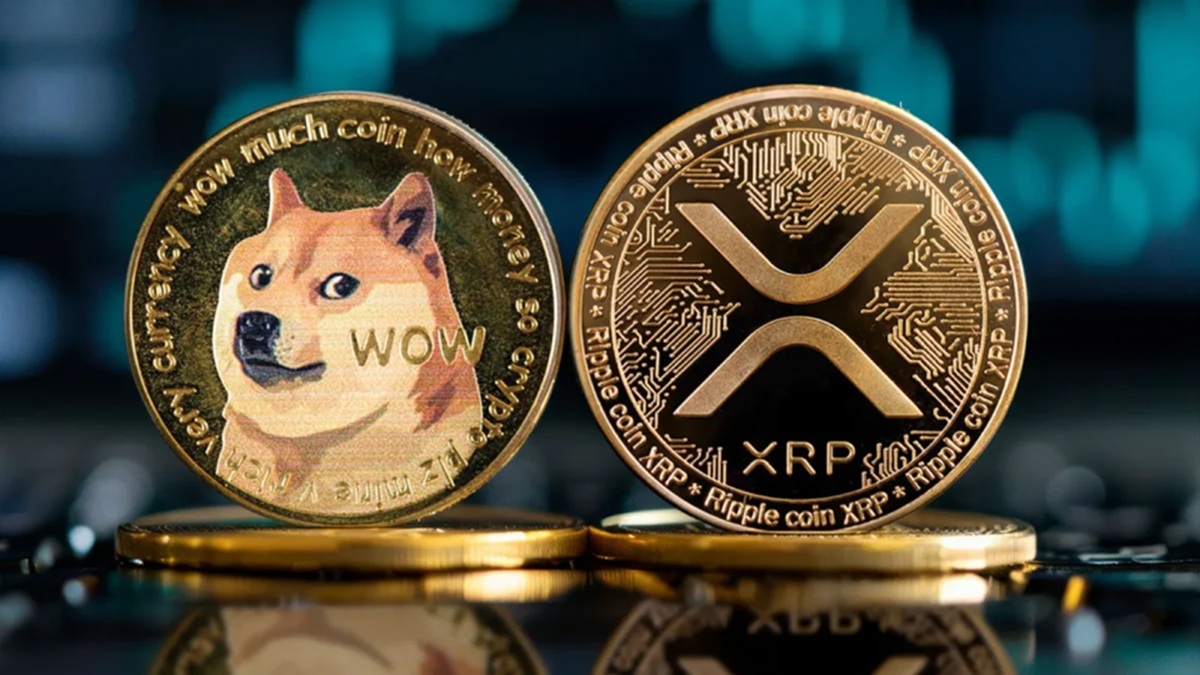
The first-ever ETFs for XRP and Dogecoin are expected to launch in the US tomorrow. Here's what you need to know. Continue Reading: And the Big Day Has Arrived: The Anticipated News for XRP and Dogecoin Tomorrow
Share
Coinstats2025/09/18 04:33
Swiss Franc Intervention: Critical Analysis of SNB’s 2025 Policy and Safe-Haven Resilience

Swiss Franc Intervention: Critical Analysis of SNB’s 2025 Policy and Safe-Haven Resilience

BitcoinWorld Swiss Franc Intervention: Critical Analysis of SNB’s 2025 Policy and Safe-Haven Resilience ZURICH, March 2025 – The Swiss National Bank faces mounting
Share
bitcoinworld2026/03/16 23:10
Cashing In On University Patents Means Giving Up On Our Innovation Future

Cashing In On University Patents Means Giving Up On Our Innovation Future

The post Cashing In On University Patents Means Giving Up On Our Innovation Future appeared on BitcoinEthereumNews.com. “It’s a raid on American innovation that would deliver pennies to the Treasury while kneecapping the very engine of our economic and medical progress,” writes Pipes. Getty Images Washington is addicted to taxing success. Now, Commerce Secretary Howard Lutnick is floating a plan to skim half the patent earnings from inventions developed at universities with federal funding. It’s being sold as a way to shore up programs like Social Security. In reality, it’s a raid on American innovation that would deliver pennies to the Treasury while kneecapping the very engine of our economic and medical progress. Yes, taxpayer dollars support early-stage research. But the real payoff comes later—in the jobs created, cures discovered, and industries launched when universities and private industry turn those discoveries into real products. By comparison, the sums at stake in patent licensing are trivial. Universities collectively earn only about $3.6 billion annually in patent income—less than the federal government spends on Social Security in a single day. Even confiscating half would barely register against a $6 trillion federal budget. And yet the damage from such a policy would be anything but trivial. The true return on taxpayer investment isn’t in licensing checks sent to Washington, but in the downstream economic activity that federally supported research unleashes. Thanks to the bipartisan Bayh-Dole Act of 1980, universities and private industry have powerful incentives to translate early-stage discoveries into real-world products. Before Bayh-Dole, the government hoarded patents from federally funded research, and fewer than 5% were ever licensed. Once universities could own and license their own inventions, innovation exploded. The result has been one of the best returns on investment in government history. Since 1996, university research has added nearly $2 trillion to U.S. industrial output, supported 6.5 million jobs, and launched more than 19,000 startups. Those companies pay…
Share
BitcoinEthereumNews2025/09/18 03:26