

Israeli Strikes on Fuel Depots Spark Devastating ‘Ecocide’ Accusation from Iran

BitcoinWorld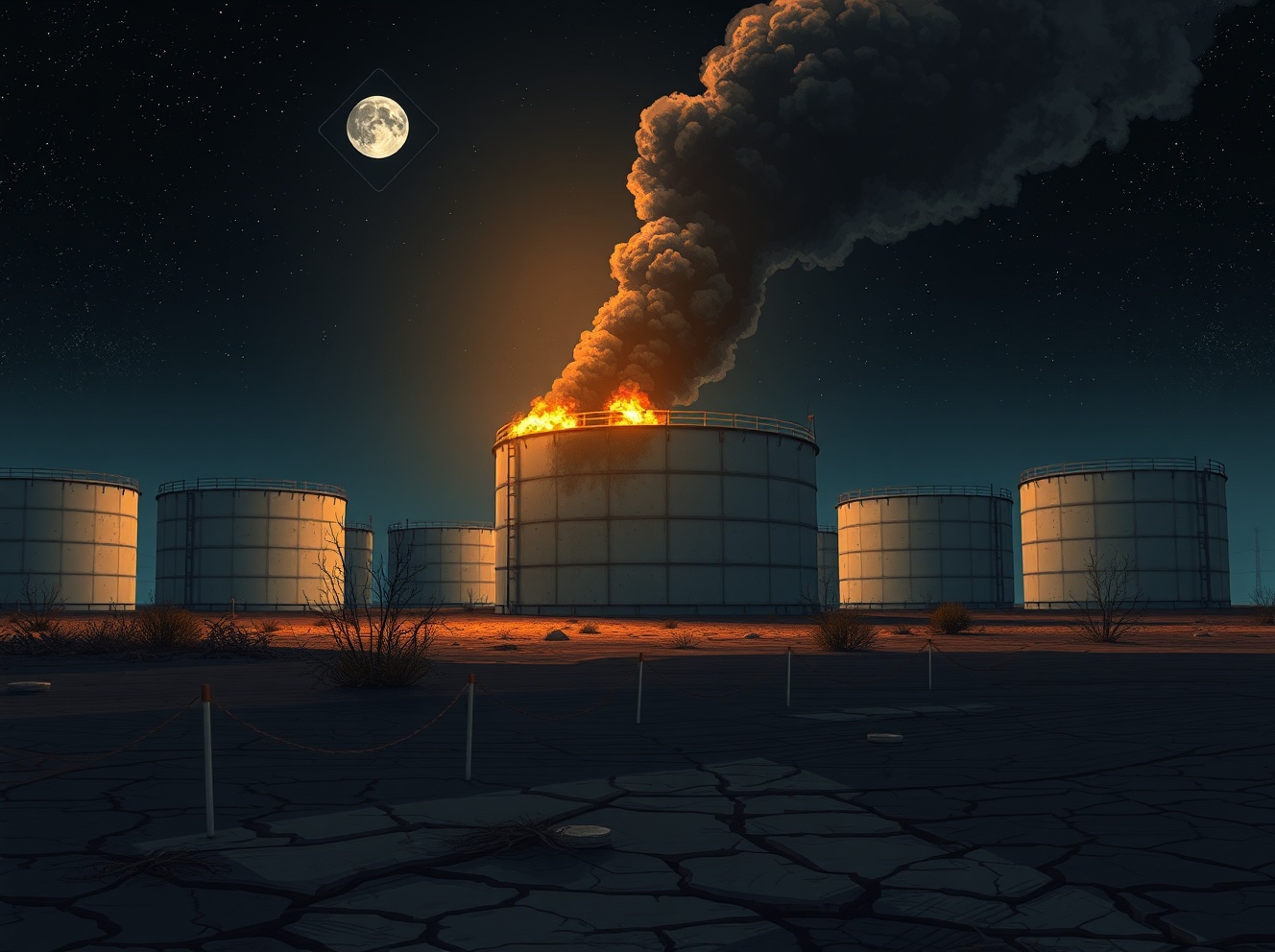
Israeli Strikes on Fuel Depots Spark Devastating ‘Ecocide’ Accusation from Iran
TEHRAN, Iran – The Iranian Foreign Minister has leveled a grave accusation against Israel, branding recent military strikes on fuel depots as an act of ‘ecocide.’ This charge, made on [Current Date], injects a potent environmental dimension into the longstanding geopolitical conflict. Consequently, it raises critical questions about the long-term ecological consequences of warfare in the region. The targeted facilities, according to regional analysts, were significant nodes in Iran’s energy logistics network.
Israeli Strikes on Fuel Depots: The Incident and Immediate Fallout
Reports from satellite imagery analysts and regional security monitors confirm a series of airstrikes occurred over the past 72 hours. These strikes targeted at least three major fuel storage and distribution facilities in southwestern Iran. Furthermore, local sources reported significant fires that burned for over 24 hours before containment efforts succeeded. The Iranian military acknowledged the attacks but provided limited details on the extent of the damage. However, international observers noted the release of substantial black plumes visible from space.
The immediate impact was multifaceted. Firstly, it caused a temporary disruption to regional fuel supplies. Secondly, it prompted emergency environmental assessments. For instance, initial concerns centered on air quality and potential groundwater contamination. The Iranian Foreign Ministry summoned the Swiss envoy, who represents U.S. interests in Iran, to formally protest the actions. Meanwhile, Israeli officials have maintained their customary policy of neither confirming nor denying involvement in such operations.
Defining ‘Ecocide’ in International Law and Conflict
The term ecocide carries significant legal and moral weight. It broadly refers to the widespread, long-term destruction of the natural environment. Importantly, a growing international movement seeks to recognize ecocide as a crime under international law, potentially alongside genocide and war crimes. Legal experts point to precedents like the Environmental Modification Convention (ENMOD) of 1977. This treaty prohibits military or hostile use of environmental modification techniques.
Professor Elena Carter, an international law scholar at the Geneva Graduate Institute, explains the context. “Accusations of ecocide in conflict zones are serious,” she states. “They hinge on demonstrating deliberate, severe, and durable harm to ecosystems. Attacks on industrial sites like fuel depots inherently risk such damage due to toxic runoff and atmospheric pollution.” The Iranian accusation, therefore, attempts to frame the military action not just as a strategic strike but as an environmental atrocity.
Historical Precedents and Environmental Warfare
History provides several stark examples where warfare caused profound environmental harm. For instance, the burning of Kuwaiti oil fields in 1991 created massive pollution. Similarly, the use of Agent Orange during the Vietnam War had decades-long ecological and human health consequences. More recently, conflicts in Syria and Iraq have seen damage to oil infrastructure leading to lasting contamination. These cases form a backdrop against which current accusations are evaluated. Analysts compare the scale and potential persistence of damage from the recent strikes to these historical events.
The Geopolitical Context of Iran-Israel Tensions
The fuel depot strikes did not occur in a vacuum. They represent the latest escalation in a long-running shadow war between Iran and Israel. Key points of contention include:
- Nuclear Program: Israel vehemently opposes Iran’s nuclear development.
- Regional Proxies: Iran supports groups like Hezbollah and Hamas, which Israel designates as terrorist organizations.
- Maritime Security: Attacks on shipping in the Persian Gulf and Red Sea have been attributed to this rivalry.
- Cyber Warfare: Both nations frequently accuse each other of disruptive cyber attacks.
This latest incident, framed as ecocide, introduces a new rhetorical and legal battlefield. By highlighting environmental damage, Iran aims to garner sympathy from the global community and potentially trigger international legal mechanisms. Conversely, Israel views such strikes as necessary acts of self-defense against a regime it considers an existential threat. The environmental angle, however, complicates the traditional security narrative.
Assessing the Environmental Impact and Regional Consequences
Environmental scientists are beginning to model the potential fallout from the attacks. The primary risks involve:
| Risk Factor | Potential Impact | Timeline |
|---|---|---|
| Air Pollution | Release of particulate matter, benzene, and sulfur compounds | Immediate to weeks |
| Soil Contamination | Petroleum hydrocarbons seeping into the ground | Years to decades |
| Water Contamination | Runoff into local aquifers and waterways | Long-term, potentially permanent |
| Ecosystem Damage | Harm to local flora and fauna from toxins | Medium to long-term |
Regional agriculture and public health could face significant challenges. For example, communities downwind from the fires may experience respiratory issues. Moreover, contamination of farmland could affect food security. The Iranian government has announced it will commission an independent international assessment. This move seeks to legitimize its claims and build a documented case for the alleged environmental crime.
The Role of International Bodies and Diplomatic Response
Iran has stated it will bring the matter before the United Nations Security Council and the International Court of Justice (ICJ). However, geopolitical alignments make decisive UN action unlikely. The International Atomic Energy Agency (IAEA) may also be drawn into discussions, given its presence in Iran. Diplomatic responses from other nations have been mixed. Several European Union members expressed concern over any environmental degradation. Meanwhile, regional Arab states have remained largely silent, reflecting complex alliances. The U.S. State Department issued a generic call for de-escalation without addressing the ecocide claim directly.
Conclusion
The accusation of ecocide following the Israeli strikes on Iranian fuel depots marks a significant evolution in the rhetoric of modern conflict. It shifts the focus from immediate military and strategic outcomes to long-term environmental consequences. While the legal standing of ecocide remains developing, the use of the term amplifies the gravity of the attacks in the court of international public opinion. Ultimately, this incident underscores how warfare’s legacy extends far beyond battlefields, potentially poisoning land, water, and air for generations. The global community now watches to see if this charge gains traction, potentially setting a new precedent for accountability in conflicts where the environment becomes a casualty.
FAQs
Q1: What exactly does ‘ecocide’ mean?
A1: Ecocide refers to acts that cause severe, widespread, or long-term damage to the natural environment. A movement exists to have it recognized as an international crime, similar to genocide.
Q2: Has Israel confirmed it carried out the strikes?
A2: No. Israel maintains a long-standing policy of strategic ambiguity regarding operations in Iran, typically neither confirming nor denying involvement.
Q3: What are the main environmental dangers from attacking a fuel depot?
A3: The primary dangers include toxic air pollution from burning petroleum products, contamination of soil and groundwater from fuel spills, and destruction of local ecosystems.
Q4: Is ecocide currently a crime under international law?
A4: Not formally. While related concepts exist in international humanitarian law (like prohibiting widespread environmental damage), ecocide itself is not yet a standalone crime in the Rome Statute of the International Criminal Court, though the movement to add it is gaining momentum.
Q5: How have other countries reacted to Iran’s accusation?
A5: Reactions are divided along geopolitical lines. Some European nations expressed environmental concern, while others, including the U.S., have focused on calls for de-escalation without endorsing the ecocide label.
Q6: What happens next legally and diplomatically?
A6: Iran may pursue action at the UN or ICJ, though success is uncertain. The situation will likely increase diplomatic tensions and may influence how future conflicts consider environmental impact in their planning and public justification.
This post Israeli Strikes on Fuel Depots Spark Devastating ‘Ecocide’ Accusation from Iran first appeared on BitcoinWorld.
You May Also Like

Renewal Fuels Expands Patent Portfolio and Leadership Team for Fusion Energy Commercialization
Ethereum Price Prediction: ETH Targets $10,000 In 2026 But Layer Brett Could Reach $1 From $0.0058
