The cryptocurrency market continues to mature, and traders in 2026 have more exchange options than ever before. While early crypto users focused primarily on platforms with the highest trading volume, today’s traders increasingly evaluate exchanges based on security infrastructure, fee transparency, user experience, and liquidity stability.
As digital assets such as BTC and Solana remain widely traded across global markets, choosing the right exchange can significantly impact trading costs, execution reliability, and overall investment safety.
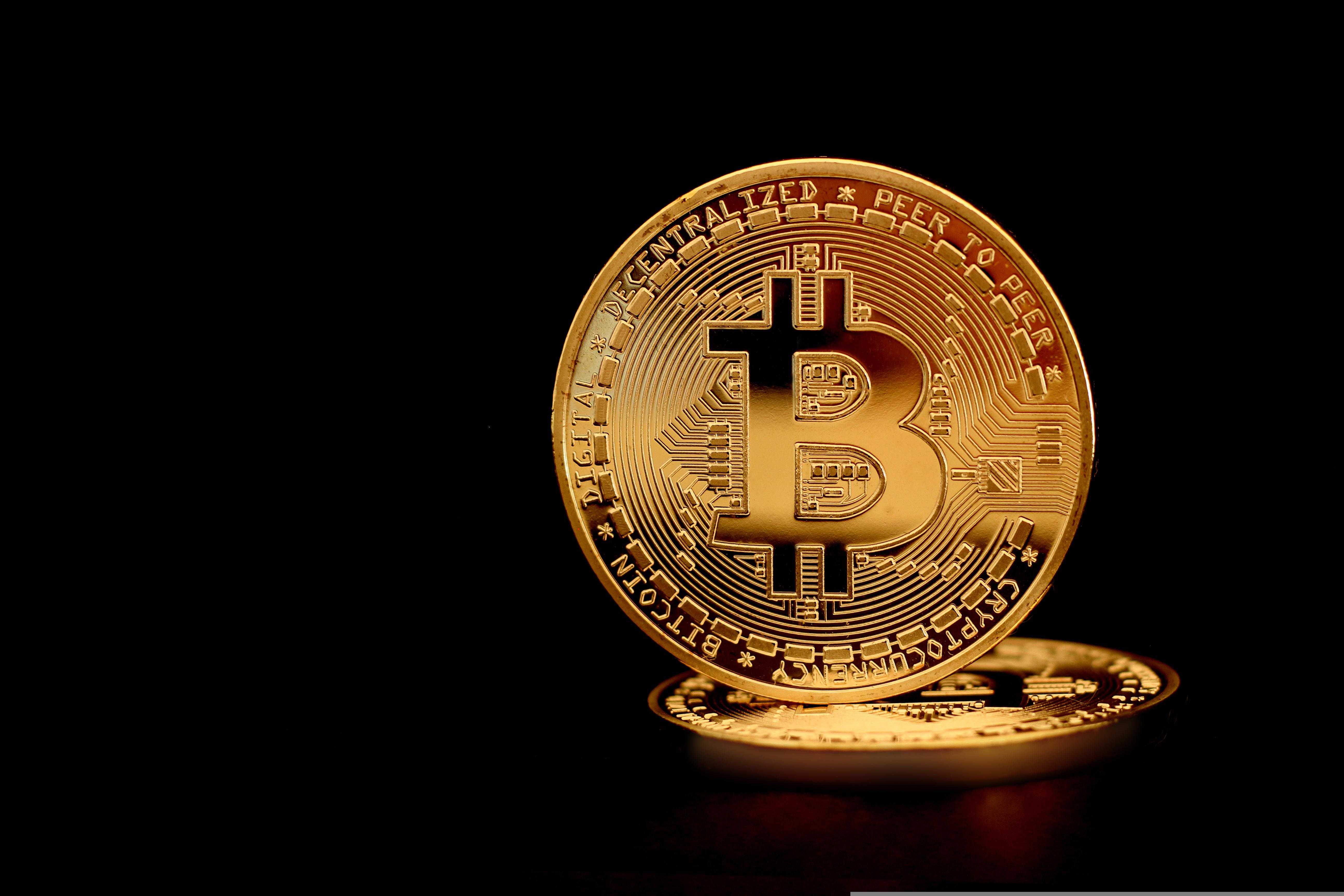
Below are some of the most widely discussed crypto exchanges among traders in 2026.
1. Binance
Binance remains one of the largest cryptocurrency exchanges in the world by trading volume. The platform offers a wide range of products including spot trading, futures, staking services, and launchpad projects.
Its deep liquidity and extensive token listings make it attractive for active traders, although beginners may find the interface complex due to the large number of features.
For new users, Binance occasionally provides fee discounts and signup bonuses through referral programs. For example, using a referral code such as WZ9KD49N may offer reduced trading fees or promotional rewards depending on region and eligibility.
2. Coinbase
Coinbase is widely regarded as one of the most beginner-friendly exchanges, especially for users entering the crypto market through fiat onramps. The platform places strong emphasis on regulatory compliance and security.
While trading fees can be higher compared to some competitors, Coinbase continues to attract users looking for a straightforward entry into digital assets.
3. HiBT
Some emerging exchanges are focusing on simplifying the trading experience rather than expanding feature complexity. Platforms like HiBT (hibt.com) have gained attention among beginner communities by prioritizing transparent fee models and a cleaner trading interface.
Instead of emphasizing high leverage products, these platforms attempt to create more structured trading environments. A detailed overview of the platform’s approach can be found in this how to choose a crypto exchange in 2026.
4. Kraken
Kraken has built a reputation for security and reliability over multiple market cycles. The exchange offers spot and futures trading along with staking options for various cryptocurrencies.
Many traders appreciate Kraken’s strong risk management approach and relatively transparent fee structure.
5. Bybit
Bybit has become one of the most popular derivatives-focused exchanges in recent years. The platform provides advanced futures trading tools and high liquidity for leveraged trading.
However, derivatives platforms may be better suited for experienced traders rather than beginners.
6. KuCoin
KuCoin is known for offering a wide variety of altcoins and early-stage token listings. The exchange attracts traders who are looking for emerging digital assets before they reach major exchanges.
At the same time, the wide token selection means users should conduct careful research before trading.
7. OKX
OKX combines spot trading, derivatives markets, and Web3-related services within a single ecosystem. The platform has invested heavily in expanding its DeFi integrations and wallet infrastructure.
This hybrid approach allows traders to access both centralized and decentralized trading features.
For users exploring the platform, OKX also offers referral incentives. Using an invite code such as 26021839 may provide access to trading fee discounts or bonus programs, depending on the user’s region and current promotions.
Final Thoughts
As the crypto industry evolves, traders are placing increasing importance on security practices, cost transparency, and platform usability rather than simply choosing the largest exchange.
Whether trading major cryptocurrencies or exploring new digital assets, selecting an exchange with clear operational standards and strong liquidity remains essential for navigating the crypto markets in 2026.