

F2Pool Founder’s Staggering Loss: Sells Thai Apartment for 7 BTC After Buying for 2,900 BTC
BitcoinWorld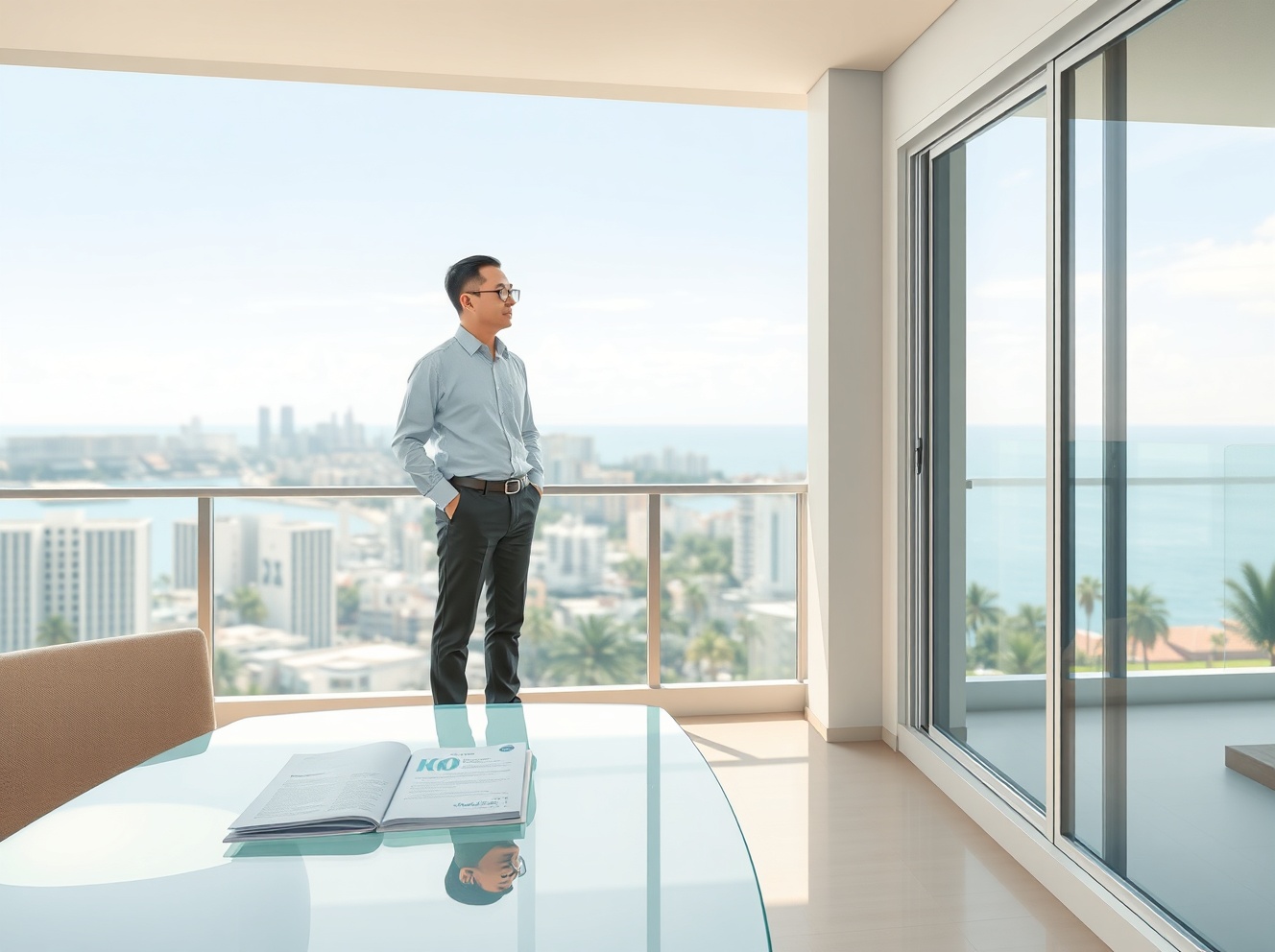
F2Pool Founder’s Staggering Loss: Sells Thai Apartment for 7 BTC After Buying for 2,900 BTC
In a transaction that starkly illustrates the extreme volatility and long-term narrative of cryptocurrency markets, Chun Wang, the founder of the major mining pool F2Pool, has sold a Pattaya, Thailand apartment for just 7 BTC—a mere fraction of the 2,900 Bitcoin he paid for it nearly a decade ago. This sale, confirmed in early 2025, represents a profound shift in valuation for an asset purchased at the dawn of a crypto era. Consequently, the story provides a unique, real-world case study on the intersection of digital and physical asset investment. Furthermore, it highlights the unpredictable journey of early Bitcoin adopters.
F2Pool Founder’s Cryptocurrency Real Estate Transaction
Chun Wang, a pivotal figure in the global Bitcoin mining ecosystem, recently finalized the sale of his Pattaya condominium. The property fetched a price of seven Bitcoin. At current valuations, this amounts to approximately $470,000. However, the historical context reveals the staggering scale of the change. Wang originally acquired the apartment in 2015 for 2,900 BTC. At that time, the Bitcoin price hovered around $224 per coin. Therefore, the initial outlay was roughly $650,000. The recent sale at 7 BTC, despite Bitcoin’s monumental price appreciation, results in a nominal dollar loss estimated at $180,000. This outcome underscores a critical investment principle: the unit of account matters immensely.
The 2015 Purchase: A Bet on Bitcoin’s Future
In 2015, the cryptocurrency landscape differed dramatically from today’s environment. Bitcoin was recovering from the Mt. Gox collapse. Its use as a direct medium of exchange for high-value goods like real estate remained rare. Wang’s decision to purchase a property with Bitcoin was both pioneering and symbolic. It demonstrated tangible faith in the asset’s long-term viability. The mining pool he co-founded, F2Pool, was already a dominant force in securing the Bitcoin network. This transaction, therefore, was not merely a personal investment but also a signal to the early crypto community. It showed that ‘digital gold’ could acquire physical assets.
Analyzing the Financial and Market Impact
The core of this story lies in the divergent value trajectories. While the Thai property’s market value in fiat currency may have experienced moderate appreciation, its value denominated in Bitcoin collapsed. To quantify this shift:
- 2015 Purchase: 2,900 BTC ≈ $650,000 (BTC ~$224)
- 2025 Sale: 7 BTC ≈ $470,000 (BTC ~$67,000)
- Nominal Fiat Difference: Loss of ~$180,000
- Bitcoin Denominated Difference: Loss of 2,893 BTC
This discrepancy highlights a common narrative among early Bitcoin holders. Many view their holdings in coin terms, not dollar terms. The loss of nearly 2,900 Bitcoin units, regardless of their current dollar equivalent, represents a significant depletion of a finite digital resource. For perspective, those 2,893 BTC held until 2025 would be worth over $190 million. This comparison, while retrospective, frames the opportunity cost inherent in such early spending.
Expert Perspective on Volatility and Investment Strategy
Financial analysts specializing in crypto assets often cite similar stories. They serve as powerful reminders of volatility. “This transaction is a textbook example of asset denomination risk,” explains a veteran crypto economist from a Singapore-based research firm. “An investor holds two assets: Bitcoin and real estate. The relative value between them can swing violently. In this case, the real estate failed to keep pace with Bitcoin’s historic appreciation. Therefore, measuring the trade in Bitcoin terms shows a drastic loss.” This perspective is crucial for understanding the mindset of early adopters. They frequently prioritize accumulating and holding Bitcoin units above all else.
The Broader Context of Crypto in Real Estate
Wang’s sale occurs within a maturing ecosystem for cryptocurrency real estate transactions. In 2025, using Bitcoin or Ethereum to purchase property is more streamlined. Specialized intermediaries and legal frameworks exist now. However, the fundamental volatility challenge persists. Sellers who accept crypto must decide whether to immediately convert to fiat or hold the digital asset. This decision carries its own financial risks and rewards. The Pattaya property market itself has seen increased interest from digital nomads and crypto entrepreneurs. Thailand has established clearer regulations for digital assets in recent years. This makes such transactions more feasible than in 2015.
F2Pool’s Role and the Mining Industry Evolution
Understanding Wang’s position requires knowledge of F2Pool’s history. Founded in 2013, it quickly became one of the world’s largest Bitcoin mining pools. It has consistently commanded a significant share of the network’s hash rate. Revenue from mining operations, earned in Bitcoin, provided the capital for purchases like the Pattaya apartment. The mining industry has undergone seismic shifts since 2015. It moved from individual enthusiasts to large-scale industrial operations. It also navigated China’s 2021 mining ban, which forced pools like F2Pool to relocate infrastructure and personnel. Wang’s personal investment story runs parallel to this industrial evolution.
Lessons for Investors and the Market Narrative
This event offers several key takeaways for the investment community. First, it reinforces the astronomical appreciation of Bitcoin over a ten-year horizon. An asset worth $224 in 2015 now trades above $67,000. Second, it illustrates the psychological aspect of ‘holding.’ Spending appreciated assets is often framed as a loss by long-term believers. Third, it shows that real estate, traditionally a stable store of value, can dramatically underperform a hyper-appreciative digital asset. Finally, the story humanizes the often-abstract figures in the crypto industry. It connects their financial decisions to tangible outcomes.
Conclusion
The sale of Chun Wang’s Pattaya apartment for 7 BTC concludes a notable chapter in cryptocurrency history. This F2Pool founder transaction transcends a simple property deal. It serves as a permanent data point in the study of Bitcoin’s volatility, early adopter behavior, and the real-world application of digital currency. While representing a significant loss in Bitcoin terms, the story ultimately underscores the transformative financial journey of the past decade. It reminds investors that value is relative and that the most disruptive assets can redefine traditional metrics of profit and loss. The legacy of this 2,900 BTC apartment purchase will continue to inform discussions about cryptocurrency as a medium of exchange and store of value for years to come.
FAQs
Q1: Who is Chun Wang and what is F2Pool?
Chun Wang is a Chinese entrepreneur and co-founder of F2Pool, one of the world’s oldest and largest Bitcoin and cryptocurrency mining pools. F2Pool contributes significant computational power to secure blockchain networks and earns block rewards in return.
Q2: Why is selling an apartment for 7 BTC considered a loss if Bitcoin’s price is higher?
The loss is measured in Bitcoin units, not US dollars. Wang spent 2,900 BTC to buy the apartment in 2015. By selling it for only 7 BTC in 2025, he effectively lost 2,893 BTC. Although those 7 BTC are worth more dollars today than his initial dollar outlay, the massive reduction in his Bitcoin holdings represents the core loss from a crypto-centric perspective.
Q3: How common are real estate purchases with Bitcoin?
While still niche, cryptocurrency real estate transactions have become more common since the mid-2010s. They are particularly prevalent in markets appealing to tech entrepreneurs and in countries with progressive digital asset regulations. However, volatility and legal complexities often necessitate third-party escrow services.
Q4: What does this sale say about Bitcoin as a currency for everyday purchases?
This transaction highlights one of Bitcoin’s enduring challenges as a daily currency: its price volatility. Using a rapidly appreciating asset to buy goods or services can lead to significant opportunity cost, as seen here. This is why many proponents view Bitcoin primarily as a long-term store of value rather than a transactional medium.
Q5: Could Wang have avoided this loss?
Only through perfect market timing, which is impossible. If he had sold the apartment for Bitcoin during a market peak or purchased a different asset that appreciated at a rate closer to Bitcoin’s, the outcome would differ. The story is less about a mistake and more about the unpredictable nature of valuing one volatile asset against another over a long period.
This post F2Pool Founder’s Staggering Loss: Sells Thai Apartment for 7 BTC After Buying for 2,900 BTC first appeared on BitcoinWorld.
You May Also Like

U.S. Labor Department Proposes Unconventional Assets for Retirement Plans

Rachel Maddow spots terrifying trend for GOP as Trump rocked by 'Red State spring'


