BitcoinWorld Revolutionary: How Daylight’s New Protocol Lets You Tokenize Electricity Revenue for Crypto Yield Imagine if the sun could power not just your home, but your cryptocurrency portfolio. This groundbreaking vision is now a reality. Blockchain startup Daylight has launched an innovative Ethereum-based DeFi protocol with one powerful mission: to tokenize electricity revenue. This move could fundamentally reshape how we finance renewable energy and interact with decentralized finance. What […] This post Revolutionary: How Daylight’s New Protocol Lets You Tokenize Electricity Revenue for Crypto Yield first appeared on BitcoinWorld.BitcoinWorld Revolutionary: How Daylight’s New Protocol Lets You Tokenize Electricity Revenue for Crypto Yield Imagine if the sun could power not just your home, but your cryptocurrency portfolio. This groundbreaking vision is now a reality. Blockchain startup Daylight has launched an innovative Ethereum-based DeFi protocol with one powerful mission: to tokenize electricity revenue. This move could fundamentally reshape how we finance renewable energy and interact with decentralized finance. What […] This post Revolutionary: How Daylight’s New Protocol Lets You Tokenize Electricity Revenue for Crypto Yield first appeared on BitcoinWorld.

Revolutionary: How Daylight’s New Protocol Lets You Tokenize Electricity Revenue for Crypto Yield
2025/12/09 22:45
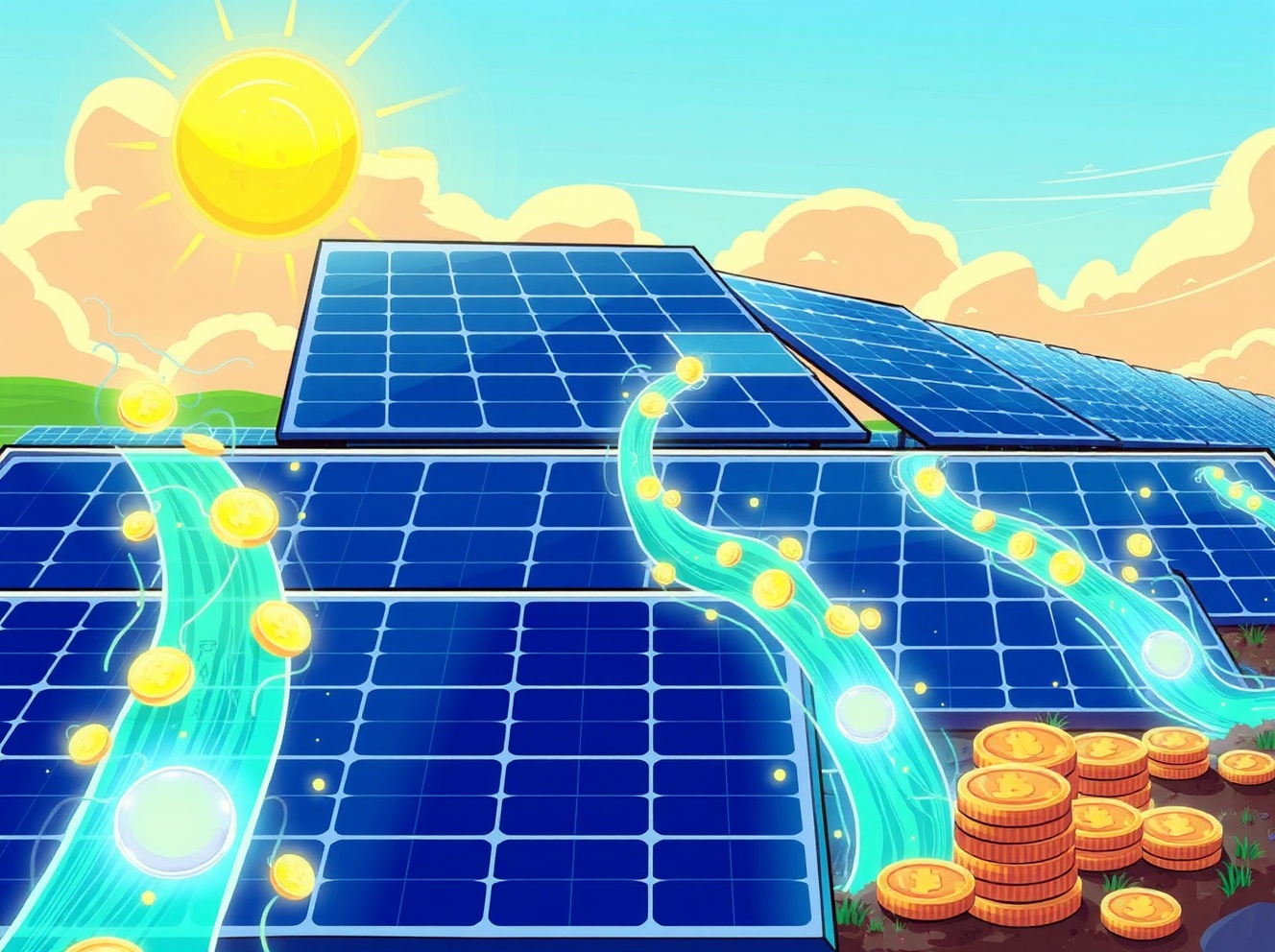
Cartoon illustration showing solar energy being converted into digital tokens to tokenize electricity revenue.

BitcoinWorld

Revolutionary: How Daylight’s New Protocol Lets You Tokenize Electricity Revenue for Crypto Yield

Imagine if the sun could power not just your home, but your cryptocurrency portfolio. This groundbreaking vision is now a reality. Blockchain startup Daylight has launched an innovative Ethereum-based DeFi protocol with one powerful mission: to tokenize electricity revenue. This move could fundamentally reshape how we finance renewable energy and interact with decentralized finance.

What Does It Mean to Tokenize Electricity Revenue?

At its core, Daylight’s new system, called DayFi, creates a bridge between physical infrastructure and digital assets. The protocol takes the predictable cash flows generated by new solar power facilities and converts them into crypto-based yield products. Therefore, investors can gain exposure to real-world energy assets through the familiar framework of DeFi.

The mechanism is elegant. When a solar farm generates electricity and sells it, that revenue stream is digitized. Daylight’s protocol then packages this financial value into tradable tokens on the Ethereum blockchain. This process allows capital to flow more efficiently into building new clean energy projects.

How Does the DayFi Protocol Actually Work?

The system relies on two primary tokens: the GRID stablecoin and the sGRID yield token. Think of GRID as a stable digital currency pegged to the value of the electricity produced. The sGRID token, however, is where the magic happens for yield seekers.

By holding sGRID, investors essentially earn a share of the revenue generated by the underlying solar assets. This setup provides a compelling answer to a critical question: How can DeFi generate sustainable, real-world yield? The answer is by anchoring it to a tangible, necessary commodity—electricity.

  • GRID Stablecoin: Acts as a stable medium of exchange, representing the base value of power.
  • sGRID Yield Token: Allows holders to earn passive income from solar farm revenue.
  • Capital Efficiency: Channels crypto investment directly into physical renewable energy expansion.

Why Is Tokenizing Energy Revenue a Game-Changer?

This model tackles two significant challenges simultaneously. First, it addresses the capital-intensive nature of building new solar infrastructure. By opening these projects to the global, 24/7 crypto market, fundraising can happen faster and from a broader pool of investors.

Second, it offers the DeFi ecosystem an asset class backed by real economic activity, not just speculative trading. This connection to the physical world could bring much-needed stability and legitimacy. Moreover, it aligns financial incentives with environmental progress—a powerful combination.

What Are the Potential Challenges and Considerations?

While the vision is transformative, the path has hurdles. Regulatory clarity around security tokens and real-world asset (RWA) tokenization is still evolving globally. The success of the protocol also depends on the reliable performance and revenue generation of the solar assets themselves.

Furthermore, the DeFi space is known for its complexity. Daylight must ensure the system is secure, transparent, and accessible enough for both crypto-native users and traditional green investors to participate confidently. Building this trust is paramount.

A Compelling Vision for a Sustainable Financial Future

Daylight’s launch represents more than just another DeFi protocol. It’s a bold step toward a future where financial markets directly fund the energy transition. The ability to tokenize electricity revenue creates a virtuous cycle: crypto capital builds solar farms, which generate clean power and revenue, which then flows back to token holders as yield.

This model has the potential to unlock trillions in value currently locked in illiquid infrastructure assets. It demonstrates how blockchain technology can move beyond digital speculation to solve real-world problems, creating a tangible impact on both our portfolios and our planet.

Frequently Asked Questions (FAQs)

Q: What does ‘tokenize electricity revenue’ actually mean?
A: It means converting the money earned from selling electricity (e.g., from a solar farm) into digital tokens on a blockchain. These tokens can then be traded, held, or used to earn yield, just like other cryptocurrencies.

Q: Is the GRID token a stablecoin?
A: Yes, the GRID token is designed as a stablecoin, meaning its value is pegged to the underlying revenue from electricity, aiming for price stability relative to that cash flow.

Q: How do I earn yield with sGRID?
A: By holding the sGRID token, you are entitled to a share of the revenue generated by the solar power facilities connected to the DayFi protocol. This revenue is distributed to holders, creating a yield.

Q: What are the risks involved?
A> Risks include smart contract vulnerabilities, regulatory changes, and the operational performance of the physical solar farms (e.g., less sunlight, maintenance issues affecting revenue).

Q: Can anyone invest in these tokens?
A: Access will depend on the platform’s requirements and local regulations. Typically, you would need a cryptocurrency wallet and likely need to interact with the protocol via a supported DeFi platform or exchange.

Q: How does this help the environment?
A: By providing a new, efficient way to fund the construction of new solar power facilities, the protocol directly channels investment into expanding renewable energy capacity, reducing reliance on fossil fuels.

Found this fusion of clean energy and crypto fascinating? Share this article on social media to spark a conversation about the future of sustainable finance! Let your network know how blockchain is powering real-world change.

To learn more about the latest trends in real-world asset (RWA) tokenization, explore our article on key developments shaping Ethereum’s role in institutional adoption and asset digitization.

This post Revolutionary: How Daylight’s New Protocol Lets You Tokenize Electricity Revenue for Crypto Yield first appeared on BitcoinWorld.

Piyasa Fırsatı
SUN Logosu
SUN Fiyatı(SUN)
$0.020225
$0.020225$0.020225
-0.98%
USD
SUN (SUN) Canlı Fiyat Grafiği
Sorumluluk Reddi: Bu sitede yeniden yayınlanan makaleler, halka açık platformlardan alınmıştır ve yalnızca bilgilendirme amaçlıdır. MEXC'nin görüşlerini yansıtmayabilir. Tüm hakları telif sahiplerine aittir. Herhangi bir içeriğin üçüncü taraf haklarını ihlal ettiğini düşünüyorsanız, kaldırılması için lütfen service@support.mexc.com ile iletişime geçin. MEXC, içeriğin doğruluğu, eksiksizliği veya güncelliği konusunda hiçbir garanti vermez ve sağlanan bilgilere dayalı olarak alınan herhangi bir eylemden sorumlu değildir. İçerik, finansal, yasal veya diğer profesyonel tavsiye niteliğinde değildir ve MEXC tarafından bir tavsiye veya onay olarak değerlendirilmemelidir.

Ayrıca Şunları da Beğenebilirsiniz

The Channel Factories We’ve Been Waiting For

The Channel Factories We’ve Been Waiting For

The post The Channel Factories We’ve Been Waiting For appeared on BitcoinEthereumNews.com. Visions of future technology are often prescient about the broad strokes while flubbing the details. The tablets in “2001: A Space Odyssey” do indeed look like iPads, but you never see the astronauts paying for subscriptions or wasting hours on Candy Crush.  Channel factories are one vision that arose early in the history of the Lightning Network to address some challenges that Lightning has faced from the beginning. Despite having grown to become Bitcoin’s most successful layer-2 scaling solution, with instant and low-fee payments, Lightning’s scale is limited by its reliance on payment channels. Although Lightning shifts most transactions off-chain, each payment channel still requires an on-chain transaction to open and (usually) another to close. As adoption grows, pressure on the blockchain grows with it. The need for a more scalable approach to managing channels is clear. Channel factories were supposed to meet this need, but where are they? In 2025, subnetworks are emerging that revive the impetus of channel factories with some new details that vastly increase their potential. They are natively interoperable with Lightning and achieve greater scale by allowing a group of participants to open a shared multisig UTXO and create multiple bilateral channels, which reduces the number of on-chain transactions and improves capital efficiency. Achieving greater scale by reducing complexity, Ark and Spark perform the same function as traditional channel factories with new designs and additional capabilities based on shared UTXOs.  Channel Factories 101 Channel factories have been around since the inception of Lightning. A factory is a multiparty contract where multiple users (not just two, as in a Dryja-Poon channel) cooperatively lock funds in a single multisig UTXO. They can open, close and update channels off-chain without updating the blockchain for each operation. Only when participants leave or the factory dissolves is an on-chain transaction…
Paylaş
BitcoinEthereumNews2025/09/18 00:09
SOLANA NETWORK Withstands 6 Tbps DDoS Without Downtime

SOLANA NETWORK Withstands 6 Tbps DDoS Without Downtime

The post SOLANA NETWORK Withstands 6 Tbps DDoS Without Downtime appeared on BitcoinEthereumNews.com. In a pivotal week for crypto infrastructure, the Solana network
Paylaş
BitcoinEthereumNews2025/12/16 20:44
Why The Green Bay Packers Must Take The Cleveland Browns Seriously — As Hard As That Might Be

Why The Green Bay Packers Must Take The Cleveland Browns Seriously — As Hard As That Might Be

The post Why The Green Bay Packers Must Take The Cleveland Browns Seriously — As Hard As That Might Be appeared on BitcoinEthereumNews.com. Jordan Love and the Green Bay Packers are off to a 2-0 start. Getty Images The Green Bay Packers are, once again, one of the NFL’s better teams. The Cleveland Browns are, once again, one of the league’s doormats. It’s why unbeaten Green Bay (2-0) is a 8-point favorite at winless Cleveland (0-2) Sunday according to betmgm.com. The money line is also Green Bay -500. Most expect this to be a Packers’ rout, and it very well could be. But Green Bay knows taking anyone in this league for granted can prove costly. “I think if you look at their roster, the paper, who they have on that team, what they can do, they got a lot of talent and things can turn around quickly for them,” Packers safety Xavier McKinney said. “We just got to kind of keep that in mind and know we not just walking into something and they just going to lay down. That’s not what they going to do.” The Browns certainly haven’t laid down on defense. Far from. Cleveland is allowing an NFL-best 191.5 yards per game. The Browns gave up 141 yards to Cincinnati in Week 1, including just seven in the second half, but still lost, 17-16. Cleveland has given up an NFL-best 45.5 rushing yards per game and just 2.1 rushing yards per attempt. “The biggest thing is our defensive line is much, much improved over last year and I think we’ve got back to our personality,” defensive coordinator Jim Schwartz said recently. “When we play our best, our D-line leads us there as our engine.” The Browns rank third in the league in passing defense, allowing just 146.0 yards per game. Cleveland has also gone 30 straight games without allowing a 300-yard passer, the longest active streak in the NFL.…
Paylaş
BitcoinEthereumNews2025/09/18 00:41