

The Inevitable Shift: How US Banks Are Racing Toward an On-Chain Future
BitcoinWorld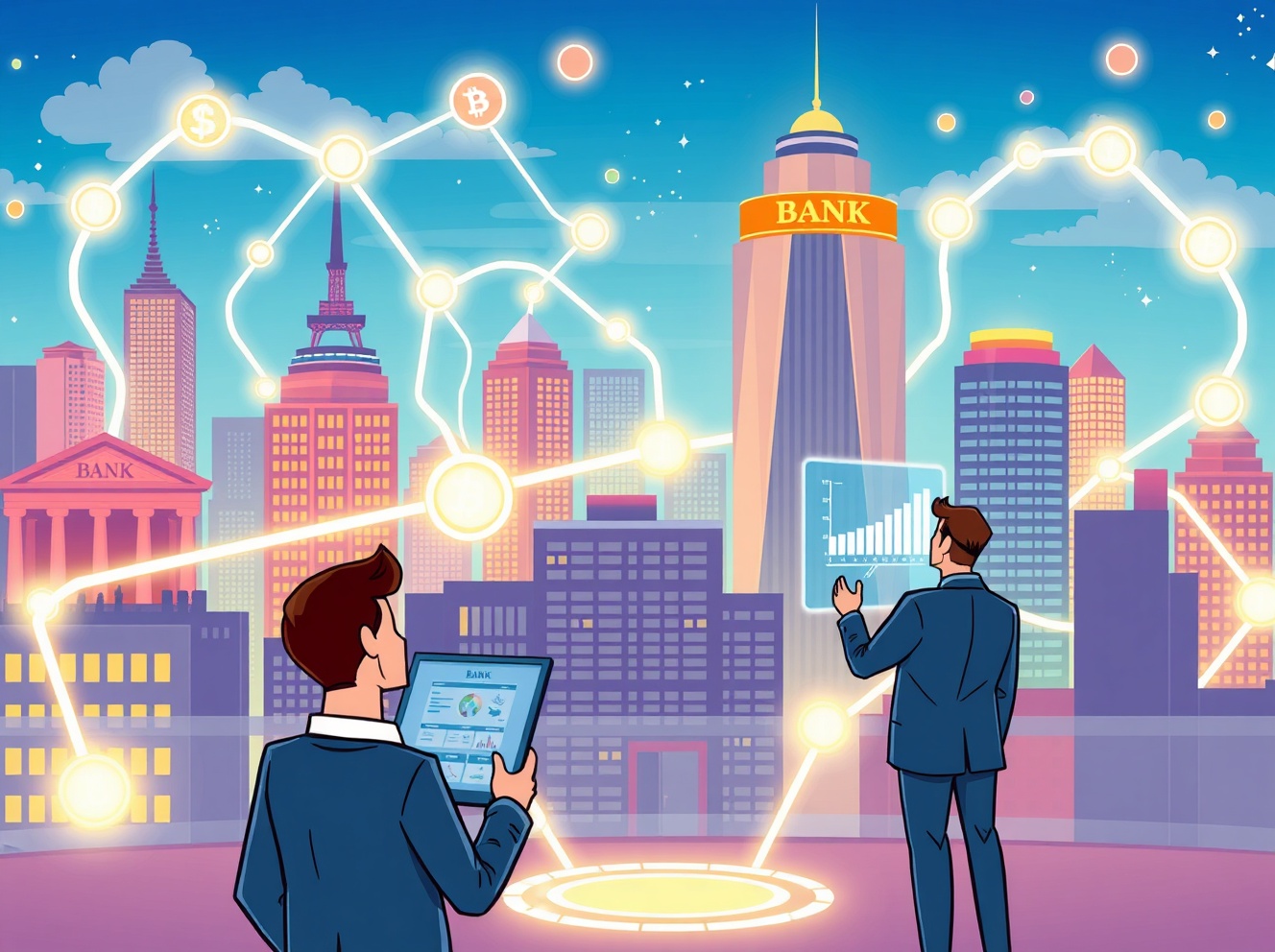
The Inevitable Shift: How US Banks Are Racing Toward an On-Chain Future
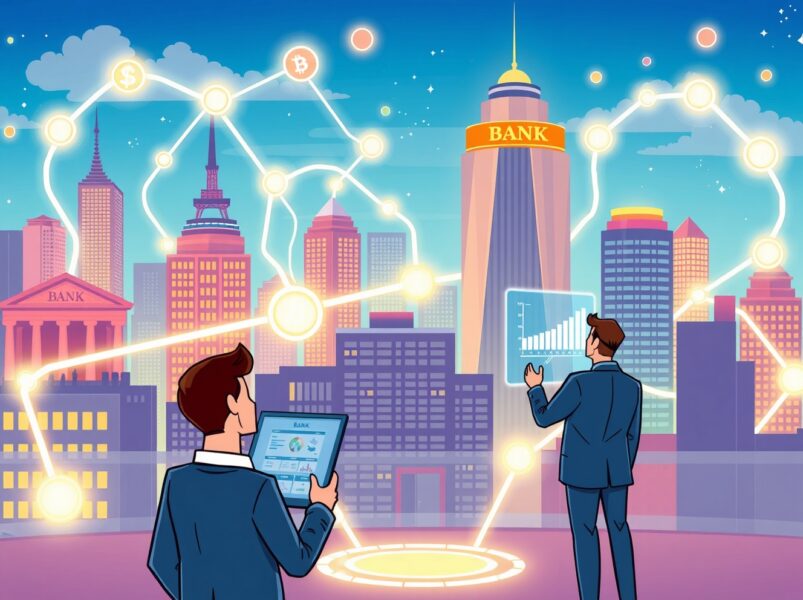
Imagine a financial system where settling a cross-border payment or trading a bond is as instant and transparent as sending a text. This isn’t science fiction; it’s the on-chain future that Bank of America analysts now see as an inevitable destination for U.S. banks. A powerful convergence of regulatory progress and technological maturity is pushing the entire traditional finance sector toward a multi-year transformation. Let’s explore what this seismic shift means.
What Exactly Is This “On-Chain Future” for Banks?
Bank of America’s analysis points to a fundamental change. The on-chain future means moving real-world financial activities—things we use every day—onto blockchain networks. Think of bonds, stocks, and even the money in money market funds becoming digital tokens on a shared, programmable ledger. This shift promises to overhaul systems that have operated the same way for decades.
However, this transition hinges on one critical factor: regulatory clarity. Recent U.S. developments are creating the rulebook banks need to proceed with confidence.
How Is Regulation Paving the Way for an On-Chain Shift?
For years, regulatory uncertainty was the biggest brake on bank adoption. That’s changing fast. BofA highlights that clear rules for stablecoins and deposit tokens are acting as a catalyst. These regulated digital currencies are the essential bridge between traditional dollars and blockchain networks.
- Stablecoins: Digital tokens pegged to assets like the U.S. dollar.
- Deposit Tokens: Digital representations of bank deposits issued by regulated institutions.
With these pieces in place, banks can start building. The report suggests this clarity will accelerate the migration of payment systems and other assets to the blockchain.
What Real-World Assets Will Move On-Chain First?
Bank of America’s forecast isn’t abstract. They point to specific areas primed for this on-chain future. The initial wave will likely focus on assets and processes where blockchain’s benefits are most obvious.
- Bonds and Stocks: Tokenization can make issuance faster and trading more efficient.
- Money Market Funds: These could become programmable, liquid digital assets.
- Cross-Border Payments: Blockchain can slash the time and cost of sending money internationally.
This migration will be supported by new, institutional-grade infrastructure designed for security and compliance, making the on-chain future a practical reality for major banks.
What Are the Tangible Benefits of This Transition?
Why would banks undertake such a massive change? The potential rewards are transformative. Moving toward an on-chain future offers solutions to long-standing industry pain points.
First, it promises radical efficiency. Processes that take days could settle in minutes or seconds, reducing costs and operational risk. Second, it unlocks new levels of transparency and auditability for complex financial instruments. Finally, it creates the potential for entirely new financial products and services that are programmable and interoperable by design.
Conclusion: A New Financial Era Is Being Built
The message from Bank of America is clear: the journey to an on-chain future is no longer a speculative debate but a strategic imperative. Accelerating regulation is providing the map, and institutional infrastructure is laying the tracks. While challenges around scalability and final regulatory frameworks remain, the direction is set. The next decade in finance will be defined by this gradual, powerful integration of blockchain technology into the heart of the global banking system.
Frequently Asked Questions (FAQs)
What does “on-chain” mean in banking?
“On-chain” refers to recording and executing financial transactions or holding digital assets on a blockchain network, a shared and immutable digital ledger, instead of using traditional, centralized databases.
Why are US banks moving toward an on-chain future now?
The shift is accelerating due to increasing regulatory clarity, particularly around stablecoins and digital assets, which gives banks the confidence and legal framework to invest in and adopt blockchain technology.
What are the biggest benefits for everyday people?
People could see faster payment settlements (especially internationally), potentially lower fees, increased transparency in financial products, and access to new, innovative digital asset services through their existing banks.
Are my deposits safe if my bank goes “on-chain”?
The core principle of bank regulation—protecting customer deposits—remains. An “on-chain” system would be the new technological infrastructure operating under the same stringent safety and capital rules that govern banks today.
What’s the difference between a stablecoin and a bank deposit token?
A stablecoin is typically issued by a private company and backed by reserves. A bank deposit token is a digital liability issued directly by a regulated bank, representing a claim on that specific bank, just like a traditional digital deposit.
How long will this transition take?
Bank of America describes it as a “multi-year transition.” It will happen in phases, starting with specific use cases like payments and tokenized assets, rather than a sudden, complete overhaul of all systems.
Found this insight into the banking sector’s on-chain future fascinating? Share this article on social media to spark a conversation about the next evolution of finance!
To learn more about the latest cryptocurrency trends, explore our article on key developments shaping institutional adoption and market dynamics.
This post The Inevitable Shift: How US Banks Are Racing Toward an On-Chain Future first appeared on BitcoinWorld.
Ayrıca Şunları da Beğenebilirsiniz

The Channel Factories We’ve Been Waiting For

SOLANA NETWORK Withstands 6 Tbps DDoS Without Downtime
