

PM, Cabinet not involved in picking public prosecutor under new bill
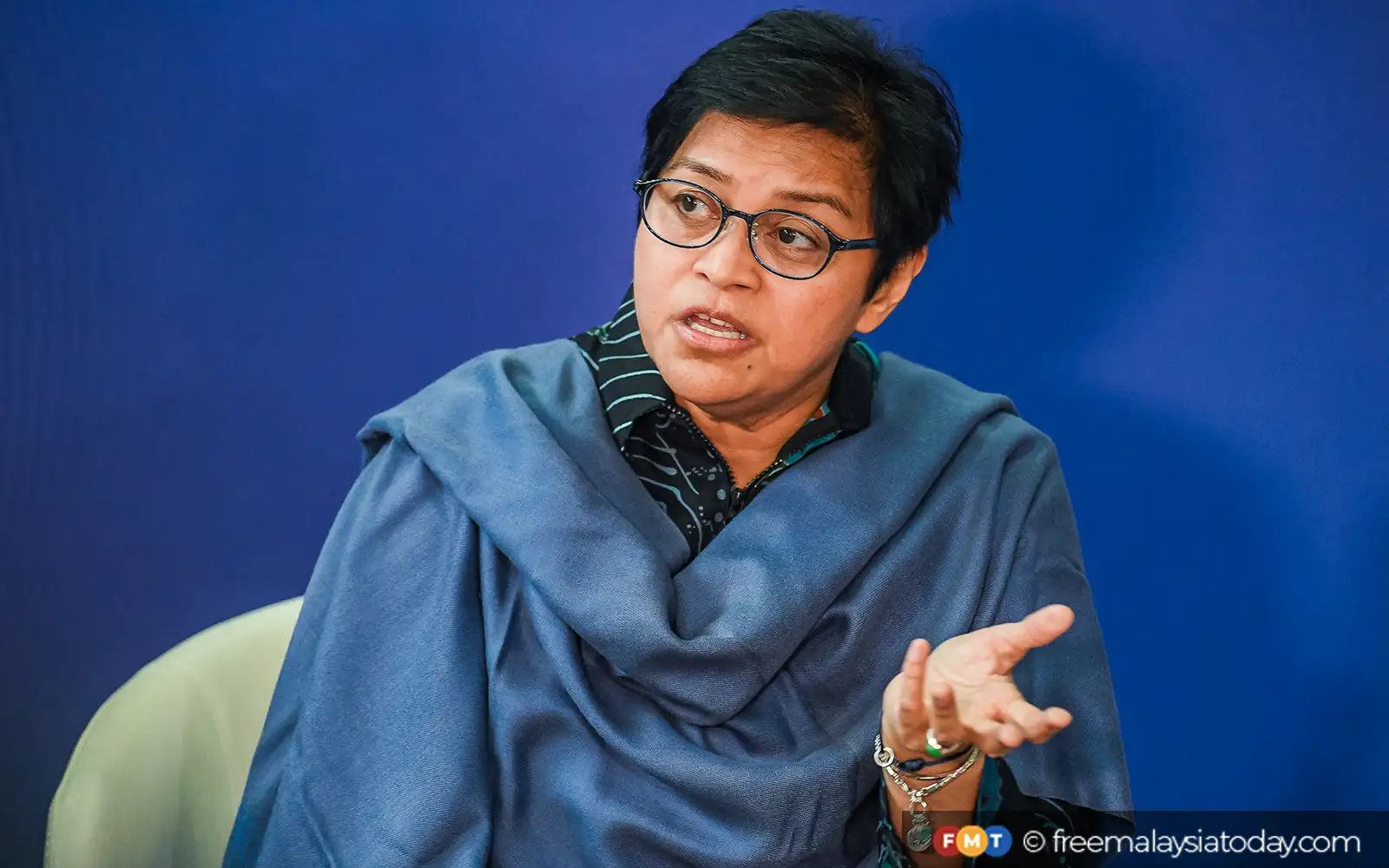 Law and institutional reform minister Azalina Othman Said said Parliament will be informed of the list of names for scrutiny and allow MPs to provide their views.
PETALING JAYA: The bill to separate the attorney-general and public prosecutor’s roles will propose that the public prosecutor be appointed by the Yang di-Pertuan Agong without the involvement of the prime minister or the Cabinet.
Law and institutional reform minister Azalina Othman Said said that if the Constitution (Amendment) (No 2) Bill 2026 is passed, the king will select a public prosecutor only from a list of names provided by the Judicial and Legal Service Commission to ensure the appointment process is free of executive influence.
Azalina said Parliament will also be informed of the list of names for scrutiny and allow MPs to provide their views.
“The names will not come from the prime minister or the Cabinet. The more important thing is the role of Parliament in the matter.
“A special select committee will be established for Parliament to evaluate the names and for MPs to debate them, whether in the Dewan Rakyat or within the committee,” she said in a press conference at Parliament today.
Azalina said the committee has also recommended that the public prosecutor serve a fixed seven-year term without reappointment, submit an annual report to Parliament, and be bound by a specific code of ethics, the violation of which could be grounds for removal.
She said the committee’s recommendations were the result of seven meetings, during which the committee obtained views from external stakeholders, including NGOs, academics, legal experts and professional bodies.
Previously, several NGOs had raised concerns over the original bill first tabled on Feb 23, saying the proposed appointment process risked concentrating discretion within a narrow institutional framework.
They argued that while the bill transfers the appointment power from the prime minister to the Yang di-Pertuan Agong, the underlying influence of the executive remained through advisory mechanisms, “inadvertently exposing the monarchy to political pressures”.


You May Also Like

ArtGis Finance Partners with MetaXR to Expand its DeFi Offerings in the Metaverse

Ethereum Stablecoin Supply Contracts: USDT Down 2.83%, USDC Down 2.72% Over 30 Days

Morgan Stanley Undercuts Rivals — Launches Ethereum and Solana ETFs


Trending News
More24/7 Live News
MoreQuick Reads
More
