

NFT Gaming vs Crypto Gaming: What’s Actually Different?
SPONSORED POST*
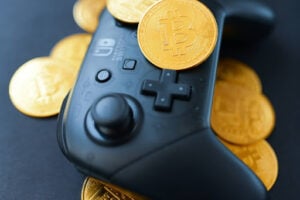
A video game controller surrounded by bitcoins photo – Free Gaming Image on Unsplash
People throw around “NFT gaming” and “crypto gaming” like they’re the same thing. They’re not. Both use blockchain technology, but that’sessentially where the similarity ends. One’s about owning unique items, the other’s about currency moving through a game’s economy. The way both NFT and crypto gaming systems work, and how players actually use them, couldn’t be any more different.
What Crypto Gaming Actually Looks Like
Crypto gaming is very similar to using digital currencies, almost like cash. Games use cryptocurrencies like Bitcoin, Dogecoin, or their own custom tokens for payments, earnings, and trades. These currencies are fungible. This means that a token is just a token, just like a dollar bill. You earn them through matches or missions, then spend them on upgrades, access, or entry fees.
Most players don’t even think about the blockchain side of things. Wallets run in the background, and it feels pretty similar to using credits in any online game. The real benefit for many is speed and flexibility. Crypto payments settle much faster compared to traditional banking methods and work without needing the bank in the middle.
Specific games also work differently. For instance, crypto casino gaming, like blackjack, poker, or even pokies voted by Kiwis and many international players as fair and easy to play, come in all varieties, video pokies, classic 3-reel machines, progressive jackpots, you name it. Many of these online casinos now accept crypto for deposits and withdrawals. When you spin, you’re using fungible tokens from your balance. Each spin costs the same type of token, and winnings come back in that same currency.
The use of blockchain and crypto results in provably fair gaming systems. A server seed gets set beforehand, combines with your player seed, and generates the symbols on each reel. After you spin, you can actually verify the result yourself to confirm that absolutely nothing was tampered with. It’s relatively straightforward since crypto and the blockchain handle the wagers, results, and payouts all in one go.
NFT-based pokie games work similarly for the actual spinning part, but rewards are very different. You still use crypto to place bets, but certain wins give you unique digital items instead of just padding your balance. If you win a bonus round on a pokie game, you could potentially win a limited edition themed asset recorded as an NFT. This includes all its rarity and design details stored on the blockchain. The outcome of the game is still verifiable, but now the reward becomes about ownership. You can hold onto these NFT rewards, trade them, or sell them separately, adding a whole collectible option that goes further than just playing the game.
How NFTs Are Different
NFT gaming takes a completely different approach. Instead of focusing on currency, it’s all about owning individual items. These are non-fungible tokens, which means each one is unique. That character, weapon, or skin you own, has its own traits, history, and market value that sets it apart from every other one.
Players in NFT games typically trade items directly with each other on marketplaces. Smart contracts handle the ownership transfers, and the blockchain keeps a permanent record of who owns what. Owning a rare item isn’t just having a fat token balance; it’s proof of time invested or genuine skill.
The play-to-earn model put NFT gaming on the map, with players viewing digital items as actual income sources. That initial hype has cooled off, but NFT gaming hasn’t died; rather it’s just evolved. Now it’s more about long-term ownership and strategic trading rather than quick cash grabs.
Where crypto gaming feels like traditional online economies, NFT gaming is closer to collecting rare sneakers or trading cards. Players value items not just for their in-game function, but for how scarce they are and how they look.
Ownership vs. Currency
Here’s where crypto gaming and NFT gaming really split. In crypto gaming, you own a balance, whether it’s Bitcoin, Tether, or a specific-in game token. The value can go up or down, you can move the currencies around, but every unit is identical to every other unit.
In NFT gaming, you own specific, individual items. Each one has its own identity tied to the blockchain, sometimes including details about when it was created or how it’s been used. This appeals to players who get a kick out of trading and collecting rather than just chasing token rewards.
This basic difference also influences how people actually play. Crypto gaming encourages constant activity and turnover; tokens move through the system quickly. NFT gaming encourages patience and timing; items might sit in your wallet for months before you find the right buyer or trade.
Which Is Easier?
Ease of entry makes a massive difference in popularity. Crypto gaming usually has way lower barriers. You can jump in with small amounts and learn as you go. Tokens feel familiar to anyone who’s ever used credits or points in games.
NFT gaming asks more from you upfront. Buying an NFT can cost real money, and prices swing significantly. This can feel risky and confusing. Some games have tried lowering this barrier with starter items or free NFTs, but there’s still a steeper learning curve.
Because of this, crypto gaming tends to attract bigger crowds, especially on mobile and browser platforms. NFT gaming tends to attract smaller but more dedicated communities who really value ownership and trading.
The Hybrid Approach
Most successful blockchain games don’t pick just one model. They use crypto tokens for payments and rewards, while NFTs handle characters and special items. This lets developers support active economies without forcing everyone to become NFT traders.
In these hybrid games, you might earn tokens through matches, then use those tokens to buy or upgrade NFTs. The systems serve different purposes and attract different play styles. Casual players stick with tokens for quick sessions. Trading enthusiasts focus on items. This approach shows how the market has actually settled.
So Which One’s Actually More Popular?
Depends on how you measure it. Crypto gaming wins hands down when it comes to the number of players. Token-based systems appear in way more games and reach far more users, especially in casual and mobile spaces.
But if you’re measuring by spending, attention, and community discussion, NFT gaming holds its own. High-value trades and visible marketplaces gain attention even with fewer players involved. What really matters is that neither model has replaced traditional gaming, and neither has completely reinvented how games work.
*This article was paid for. Cryptonomist did not write the article or test the platform.
You May Also Like

SOL Moves Sideways While Ozak AI Token Targets Life-Changing Gains for Presale Investors

Metaplanet Sets Up Shop In Miami As Stock Price Slumps
