

At tech events like ATS 2026, applause is easy, but real work is not
If you attended the African Tech Summit (ATS) 2026 in Nairobi on February 11 and 12, or simply felt the buzz through your social media feed, you probably left with that familiar mix of exhilaration and “what now?” that follows big ecosystem moments.
Nairobi, Kenya’s sprawling capital, is learning and improving at hosting such gatherings. Now in its eighth edition, ATS is usually held in February, when the Nairobi skies are bright, activities are agog, and traffic is a bit brutal.
Kenya remains one of Africa’s top three startup markets by funding, usually trading places with Nigeria and South Africa. If you believe the numbers floating around the floor, African startups raised north of $2–3 billion in 2025 (depending on who’s counting and how they classify debt), still less than the 2021 highs, but no longer in retreat.
At ATS 2026, the mood felt steadier, with more homework for all stakeholders, from regulators to founders and consumers.
Since its first edition, ATS has grown into one of the continent’s more consistent Q1 convenings. Hundreds of founders, dozens of funds, corporates, policymakers, and Development Finance Institutions (DFIs)— all compressed into two days of panels, sideline meetings, and social media follow-ups that even begin before the first keynote ends.
What survives after ATS 2026?
A more sober tone
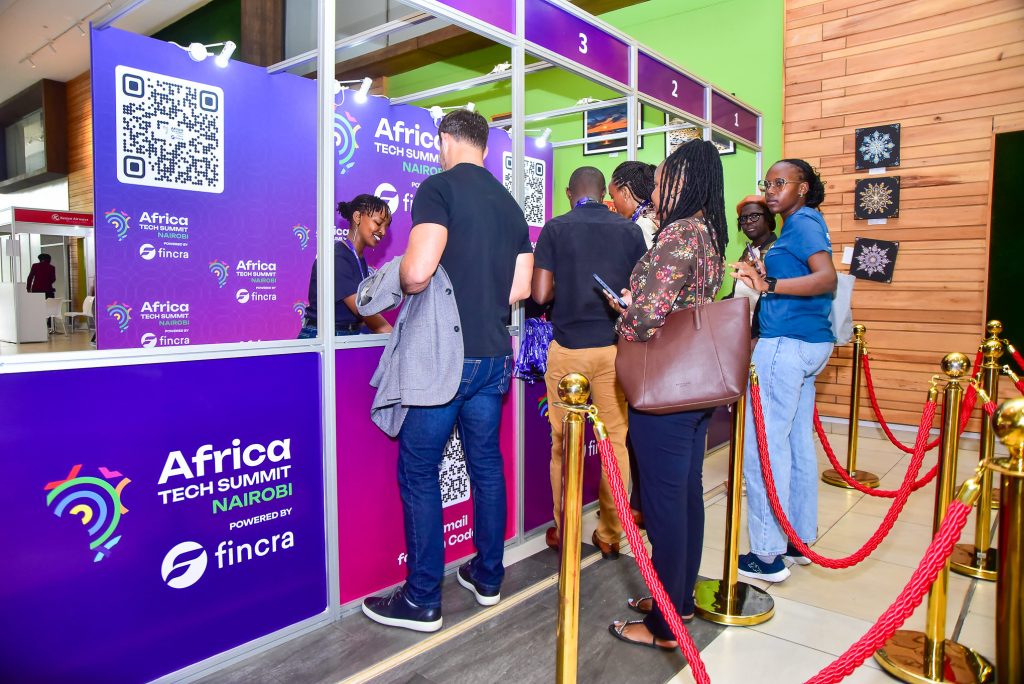 Image source: ATS
If you have attended previous ATS editions, you can feel the shift (this is my third). The language has changed.
This has been constantly chorused, but it’s worth repeating because it’s a recurring theme in most tech events. A few years ago, panel discussions and pitches were about disruption and scale at any cost. And this was because money was cheap. This year, the words you hear most often are “profitability,” “cash flow,” “regulation/compliance,” and “unit economics.” Founders are seeking sustainable approaches built on strong discipline, even if it means slower growth and no longer apologising for it if it means stronger margins. On the flip side, investors are asking more complex questions and no longer pretending that capital is cheap.
That is not a bad thing; it means the market is learning. Africa’s digital infrastructure has improved immensely over the past decade. Digital transactions amount to billions of dollars annually, while smartphone penetration continues to rise. Broadband is expanding, signalling that the foundations are strong. The question, therefore, is whether local founders can build solutions that create millions of jobs for the continent’s youthful population and generate billions in revenue.
The founder’s test
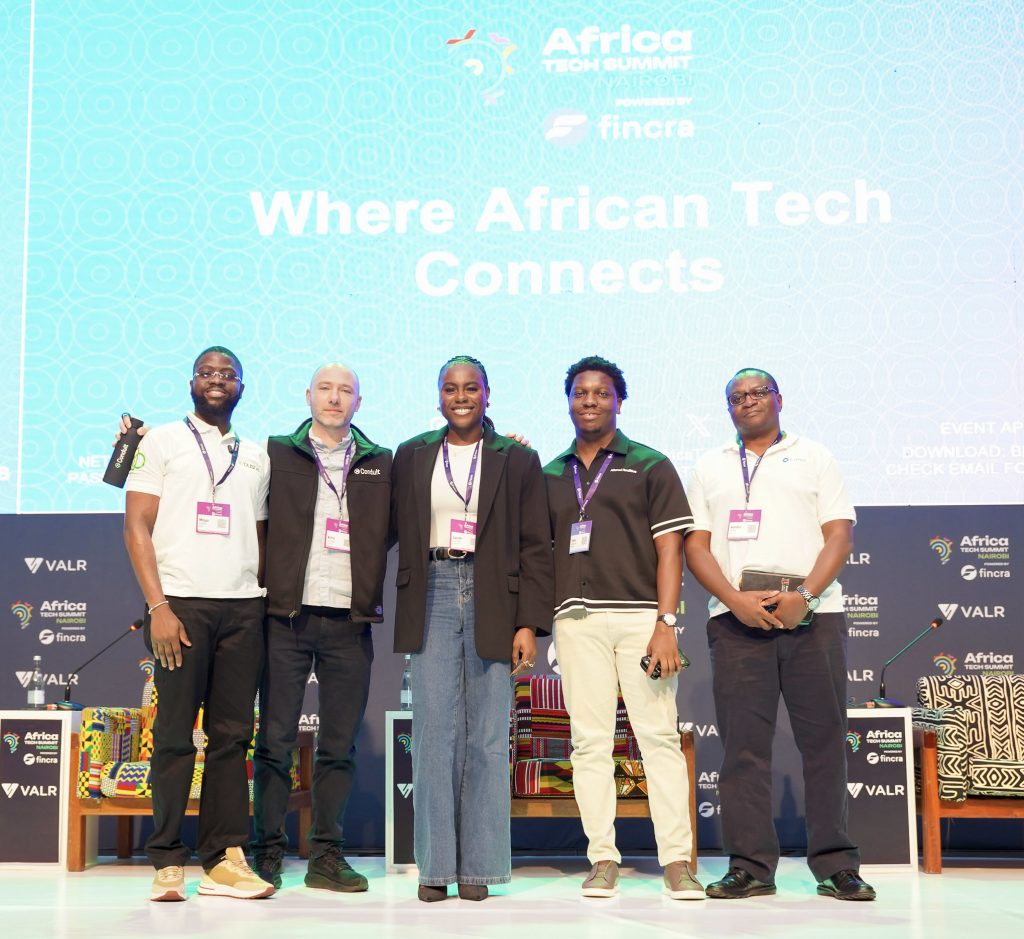 Image source: ATS
Nigerian startups and founders have mastered the art of building relationships, making them a permanent feature in most tech events across the continent. Tech events like ATS are a chance to be visible. I know that visibility is not the same as progress, but it’s the first step.
Two days of meetings can easily become two weeks of delay if follow-ups are slow or vague. The difference between a polite investor conversation and a term sheet is usually clarity, meaning precise numbers, clear risks, and clear use of funds. This is replicated in conversations with the other builders in the ecosystem, including regulators, journalists, and customers.
We need to see similar vim from founders across the continent.
Capital is cautious, not absent
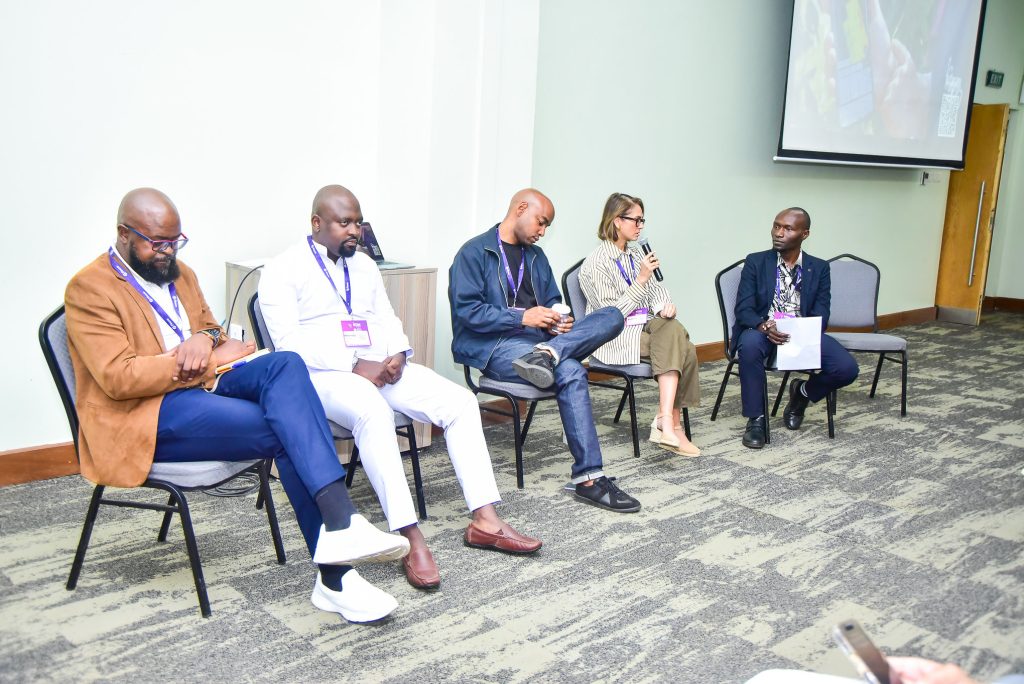 Image source: ATS
This is another recurring theme across many tech events. There is a tendency to say that money has dried up. Based on conversations at ATS, that is not quite true. Capital is still moving, but more carefully.
At a sideline session at the Nairobi Securities Exchange (NSE), hosted by Enza Capital, speakers reiterated that investors are still writing cheques. However, due diligence is taking longer, and co-investments are becoming more common. Investors are looking for greater discipline, not just passion, to build.
At ATS, you can sense that many funds are still interested in fintech, climate, and logistics. But the bar is higher. A payments startup now needs more than growth. A climate company needs more than a strong story about impact. Everyone is interested in paying customers.
That change in tone is not unique to Africa; it mirrors global markets. But in a continent where the ecosystem and capital markets are still young, the adjustment feels sharper.
The reality
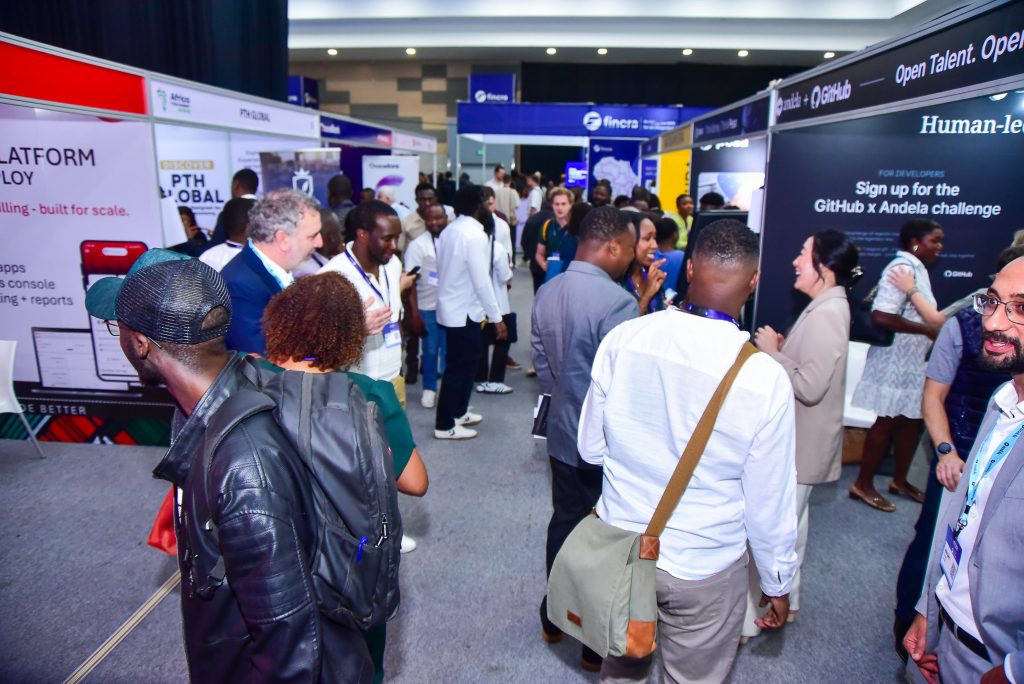 Image source: ATS
There is always a risk that summits turn into performances. After all, panels are polished, and the stages are well-lit for great photos. The air-conditioned rooms, exhibition booths, and the rooftop garden just at the entrance of Sarit Expo Centre have optimism in abundance.
But the truth is, ecosystems are not built on applause and standing ovations. Building in Africa, like most emerging markets, requires consistency and repetition, which can be boring.
That is: the repetition of founders who build again after failure, the repetition of investors who back the same market through different cycles, and the repetition of predictable policies, even if imperfect.
Africa still produces fewer large exits than more developed markets. That limits the recycling of capital and experience. Until exits become routine rather than rare, growth will feel episodic.
The objective measure of ATS 2026 will be the number of deals closed after initial meetings, the partnerships that materialise, and the companies that turn a profit or report growth.
You May Also Like

Uber, Bolt drivers in Lagos and Ogun to embark on 3-day strike from tomorrow

The illusion of movement: How Coinbase’s 800,000 BTC migration exposes the flaw in raw Bitcoin age metrics
