SpaceX, Elon Musk's rocket company, is creating a striking paradox on the Nasdaq-100: even though it has climbed into the ranks of the index's largest companies by market cap, its actual weighting still lags far behind where it "should" sit. That gap could close fast after the Q3 rebalance, which takes effect in late September.
What makes this notable is that the shift could unleash a wave of "forced buying" from passive funds tracking the Nasdaq-100. This demand isn't coming from an earnings beat or a fresh growth story, it's purely a mechanical byproduct of how the index gets reallocated.
So for anyone watching or trading SPCX, whether through equities, tokenized stock, or futures, this is an event worth paying close attention to.
Key Takeaways
SpaceX stands to benefit from mechanical buying pressure once the Nasdaq-100 rebalances.
Rising free float is the main driver pushing SpaceX's weighting higher.
Forced buying" doesn't guarantee the price goes up.
Supply from unlocked shares could create a countervailing headwind.
The event is likely to amplify SPCX volatility around the rebalance date.
1. Why Call It "Forced Buying"?
The Nasdaq-100 is a market-cap-weighted index. When a component's weighting changes after a scheduled rebalance, ETFs tracking the index, such as QQQ, must adjust their holdings to match the new weighting. Otherwise, they create tracking error against the benchmark.
That's why "forced buying" has become a key phrase in recent analyst notes. If SpaceX's weighting rises by 1 percentage point on a roughly $1.7 trillion asset base, that implies about $17 billion in mandatory buying. JPMorgan's estimate is more conservative at $15.5 billion, likely based on assets specifically tracking QQQ and related ETFs.
The important point is that this flow is mechanical rather than discretionary. A fund manager can decide a stock is overvalued and refuse to buy it, but an index fund cannot. Its mandate is to replicate the benchmark, so when Nasdaq raises SpaceX's official weight, the funds tracking the index must adjust regardless of their view on the company's valuation.
This also makes rebalancing flows different from buying driven by news or earnings. Those events change how investors assess a company's future, while index-related demand carries no such judgment. The buying happens because the benchmark weight changed.
Timing is another key difference. Organic buying can spread over days or weeks as investors reach independent conclusions. Rebalancing is scheduled around a specific effective date, so funds tend to execute near that session to minimize tracking error. The result is a large, concentrated order flow, which is why traders in both equities and crypto derivatives pay close attention to these dates.
2. The "3x Free Float" Bottleneck
To understand why a company that ranks 6th-7th by total market cap in the index only sits at 19th by weighting, you need to look at Nasdaq's unique weighting methodology: each component's weight is based on the lower of (a) total market capitalization, or (b) three times its free-float market cap (the portion of shares actually available to trade freely, not locked up).
The rule exists by design, to stop massive IPOs with a high proportion of locked-up shares from dominating the index the moment they list, no matter how large their valuation is.
SpaceX went public on June 12, 2026 at $135 a share, raising tens of billions of dollars and closing its first trading day at a valuation of roughly $2.1 trillion. But because the bulk of its shares, including Elon Musk's stake (which carries most of the voting power) and pre-IPO investor holdings, were locked up on schedules ranging from 180 to 366 days, initial free float sat below 10%. That triggered the "3x free float" cap, limiting SpaceX's weighting to only about 1.25% even though its raw market cap should have placed it in the top 6-7.
The turning point came in August: roughly 911.5 million shares unlocked on August 6, followed by about 319 million more on August 20. Both unlock events landed before the August 31 reference date Nasdaq uses to lock in data for the Q3 rebalance, pushing SpaceX's free float up to nearly 30%. It's this loosening of the free-float bottleneck, not any change to the underlying business, that directly produced the $15.5 billion figure.
3. Timeline to Watch Closely
Worth noting: most passive-fund buying tends to concentrate in the Market-On-Close (MOC) auction on the day Nasdaq announces the adjustment, to minimize tracking error before the new weighting kicks in. That's exactly why short-term traders watch closing-auction volume so closely around these dates.
4. The Costly Lesson From July: "Forced Buying" Doesn't Mean "Price Goes Up"
This is the part many newer investors tend to overlook. When SpaceX first joined the Nasdaq-100 in early July 2026 under the fast-track rule (reserved for IPOs that land in the top 40 by market cap), JPMorgan estimated around $4.3 billion in passive buying would flow in. What actually happened? SPCX dropped more than 6% on the very day the new weighting took effect.
Analysts pointed to insider selling and profit-taking as the culprits, completely overwhelming the passive demand from index funds. It's a clear illustration of a broader principle: mechanical flow from rebalancing is just one of many variables driving price, not the only one, and certainly not a "sure thing."
Comparing the two opposing forces heading into this September's rebalance:
Passive demand: roughly $15.5 billion from index funds and ETFs, concentrated almost entirely into a single trading session.
Potential insider supply: over 2.3 billion shares expected to unlock between now and the end of December 2026, spread out continuously, including one large tranche tied to Q3 earnings.
In theory, this September's $15.5 billion is more than triple July's figure, and the much-improved free-float base (nearly 30% versus under 10% before) should help the market absorb the buying more smoothly, easing the "scarcity of tradeable shares" effect that amplified volatility last time. But that doesn't mean a repeat of July's decline is off the table. TD Securities has even floated a scenario where the weighting tops 3.5%, implying $30-40 billion in forced buying, though that number hinges heavily on the actual free float at the cutoff date and whether Nasdaq chooses to phase the adjustment across multiple stages.
5. Why Does This Matter to the Crypto Market Too?
For traders more at home in crypto, the SpaceX story is a rare case study in how the line between traditional finance (TradFi) and digital assets keeps blurring. Since listing, SPCX has become one of the most closely watched "cross-asset" instruments on digital trading platforms, letting users get exposure to the price swings of one of the most valuable private companies on the planet without ever opening a traditional brokerage account. On MEXC,
SPCX has been one of the most actively traded products since the IPO, with SPCX futures volume seeing an explosive spike right after the stock began trading. MEXC users can gain exposure to SPCX price action in multiple ways: trading futures to take leveraged positions in either direction, or through RealStocks-style products for those looking to hold long-term and potentially receive corresponding dividend entitlements when eligible. All of it happens within a single account, settled entirely in USDT, removing the friction of currency conversion or opening an international brokerage account.
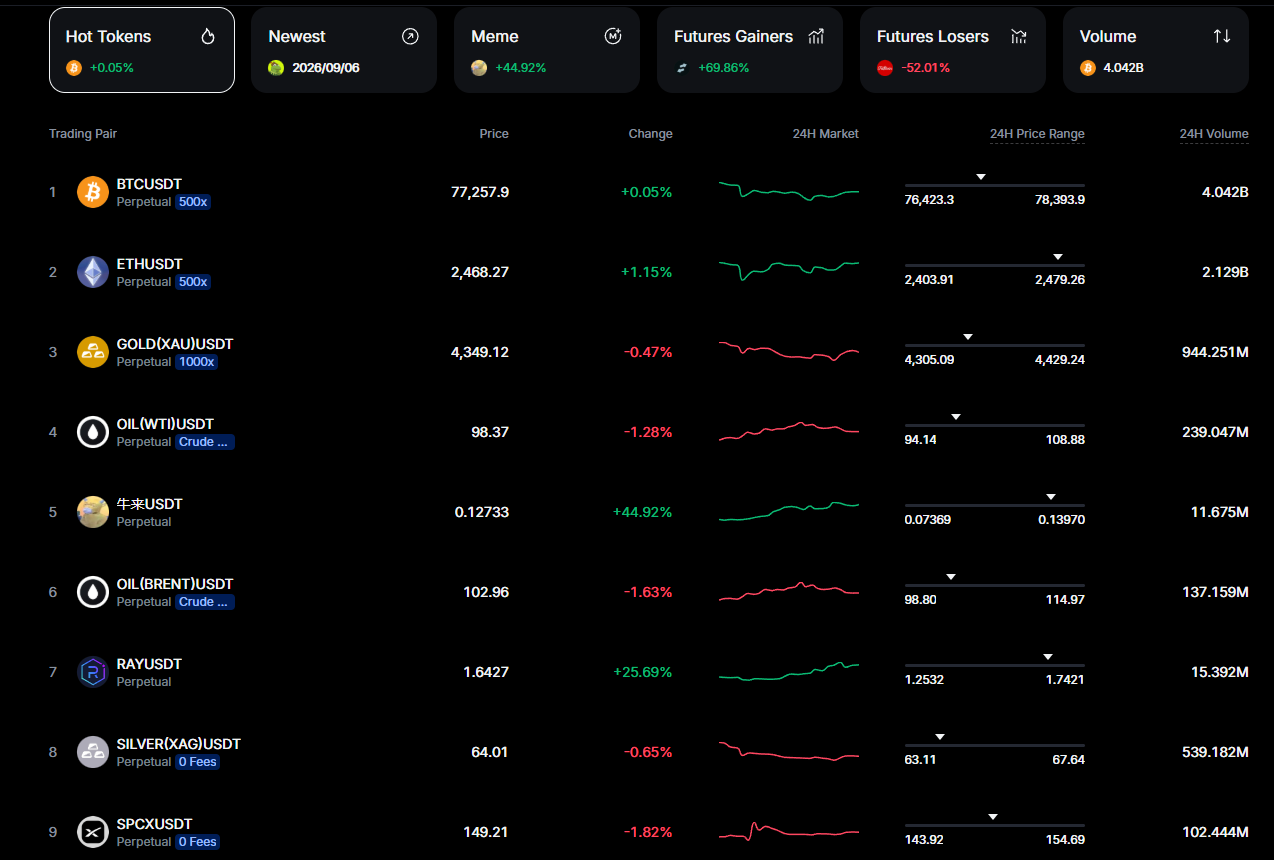
That has real implications for the upcoming rebalance. Price action around September 18-21 won't just play out on the traditional Nasdaq exchange, it will also show up almost instantly in crypto derivatives markets that trade 24/7, including outside Wall Street's regular hours. For anyone holding SPCX exposure through tokenized channels or futures, keeping a close eye on volume and index-weighting developments this week is close to mandatory, since the price gap between the crypto market (continuous trading) and the equity market (session-based closes) could widen or narrow unexpectedly right around the MOC.
6. The Bottom Line: Opportunity Exists, But So Does Risk
Putting it all together, three factors converged to produce the attention-grabbing $15.5 billion figure: (1) the 3x free-float rule that has held down SpaceX's true weighting since it listed, (2) back-to-back August unlocks that released most of the previously locked-up supply, and (3) the sheer scale of assets tracking the Nasdaq-100 (roughly $1.7 trillion).
That said, as July's lesson showed, forced buying from an index rebalance is not a commitment about price direction. With more than 2.3 billion shares still set to unlock between now and year-end, selling pressure from insiders could easily outweigh, or even reverse, the impact of passive inflows in the short term. Investors and traders should treat this event as a clearly timeable volatility catalyst, not as a guaranteed long-term trend signal.
For anyone looking to capitalize on the volatility around this event, whether going long to front-run the passive buying or going short to hedge against insider selling pressure, having access to a flexible, liquid trading venue that can react quickly to a 24/7 market will be a key advantage heading into the high-stakes window around September 18-21, 2026.
Conclusion
The SpaceX and Nasdaq-100 story drives home an important point: price moves sometimes come from the market's own plumbing, not just from fundamentals. Rising free float can trigger a large mechanical buy from index-tracking funds, but that demand is no guarantee SPCX will rally. On the flip side, share unlocks could generate enough supply pressure to flip the flow of money entirely. That's why the late-September rebalance should be viewed as a catalyst for volatility, not a guaranteed buy signal.