Prediction-Market

Prediction Markets are decentralized platforms where users trade shares based on the outcome of future events, ranging from elections to sports and crypto prices.By leveraging the "wisdom of the crowd," platforms like Polymarket provide highly accurate, censorship-resistant forecasting data. In 2026, these markets serve as a primary source of sentiment analysis and risk hedging. This tag covers the technology behind decentralized oracles, event-based liquidity, and the growing role of prediction markets in global information discovery.

910 Articles
Created: 2026/02/02 18:52
Updated: 2026/02/02 18:52
Revolutionary: Opinion Labs Secures Multi-Million Dollar Boost for BNB Chain Prediction Market

Revolutionary: Opinion Labs Secures Multi-Million Dollar Boost for BNB Chain Prediction Market

BitcoinWorld Revolutionary: Opinion Labs Secures Multi-Million Dollar Boost for BNB Chain Prediction Market The decentralized finance landscape just received a significant confidence boost. At a major Binance Blockchain Week event, Opinion Labs announced a multi-million dollar investment to fuel its ambitious vision. This capital injection, co-hosted with partners ASTER and World Liberty Financial, signals strong institutional belief in the future of decentralized forecasting. The core mission? To build […] This post Revolutionary: Opinion Labs Secures Multi-Million Dollar Boost for BNB Chain Prediction Market first appeared on BitcoinWorld.

Author: bitcoinworld
Prediction Markets News: Kalshi Makes Tokenization Effort

Prediction Markets News: Kalshi Makes Tokenization Effort

The post Prediction Markets News: Kalshi Makes Tokenization Effort appeared on BitcoinEthereumNews.com. Kalshi is now offering tokenized versions of its event-contract wagers on Solana, the company told CNBC, marking its clearest bid yet to attract crypto traders who have gravitated to on-chain platforms like Polymarket. The setup tokenizes Kalshi’s existing event markets, spanning politics to macro data, and makes them tradable on Solana, according to the Monday report. Tokenized contracts work the same as Kalshi’s traditional products, but on-chain trading adds anonymity and aligns the exchange more closely with Polymarket’s model, the report said. Tokenization is the process by which real-world assets are converted into blockchain-based tokens. Support is already live, according to CNBC, with decentralized finance (DeFi) protocols DFlow and Jupiter connecting Kalshi’s off-chain order book to Solana liquidity. Kalshi’s head of crypto, John Wang, told CNBC the move is designed to tap deeper pools of capital as prediction-market activity accelerates. Tokenization gives Kalshi access to “billions of dollars of liquidity,” lets developers build third-party front ends, and helps maintain competitive pricing, Wang said. Founded in 2018, Kalshi became the first exchange to offer federally regulated event contracts tied to U.S. congressional races in 2024 after a protracted fight with the Commodity Futures Trading Commission (CFTC), the report noted. The firm now runs about 3,500 markets and closed a $1 billion funding round last month that valued the company at $11 billion, according to a TechCrunch report. As Polymarket presses into the U.S., CNBC noted Kalshi will need more liquidity to keep pace, something crypto-native traders may be uniquely equipped to provide. Read more: State of Crypto: Kalshi and Prediction Markets Face a Setback Source: https://www.coindesk.com/business/2025/12/01/kalshi-launches-tokenized-event-bets-on-solana-blockchain-cnbc

Author: BitcoinEthereumNews
Kalshi Plans Solana Tokenization for Event Contracts to Boost Prediction Market Liquidity

Kalshi Plans Solana Tokenization for Event Contracts to Boost Prediction Market Liquidity

The post Kalshi Plans Solana Tokenization for Event Contracts to Boost Prediction Market Liquidity appeared on BitcoinEthereumNews.com. Kalshi’s Solana integration tokenizes thousands of event contracts on the blockchain, bridging off-chain order books with on-chain liquidity to attract crypto traders. This move enhances scalability and taps into the $3 trillion digital asset market, offering seamless trading of tokenized wagers while maintaining regulatory compliance. Kalshi partners with DFlow and Jupiter for institutional liquidity on Solana. The integration allows crypto-native users to trade tokenized event contracts with blockchain benefits like faster settlements. Polymarket gains CFTC approval for US re-entry, enabling intermediated trading and boosting competition in prediction markets with over 3,500 active contracts. Kalshi Solana integration revolutionizes prediction markets by tokenizing event contracts for crypto traders. Discover enhanced liquidity, regulatory wins, and market growth. Explore now for insights into blockchain’s role in finance. What is Kalshi’s Solana Integration? Kalshi’s Solana integration involves tokenizing thousands of its event contracts on the Solana blockchain, connecting the platform’s traditional off-chain order book to on-chain liquidity pools. This strategic move, announced exclusively to CNBC, enables users to buy and sell tokenized versions of wagers, preserving the functionality of original contracts while unlocking blockchain advantages such as improved accessibility for crypto holders. By partnering with decentralized finance protocols DFlow and Jupiter, Kalshi aims to scale operations amid rising demand for prediction markets. How Does Polymarket’s US Re-Entry Impact Prediction Markets? Polymarket’s recent US re-entry, facilitated by an amended CFTC order, allows the platform to operate an intermediated trading system compliant with federal regulations, directly challenging Kalshi’s position. This development permits Polymarket to onboard brokerages and users through futures commission merchants (FCMs), integrating traditional market infrastructure for custody and reporting. According to Shayne Coplan, Polymarket’s Founder and CEO, the approval underscores the platform’s commitment to transparency and maturity in the regulatory landscape. Enhanced surveillance systems and clearing procedures ensure robust market supervision, potentially increasing liquidity as…

Author: BitcoinEthereumNews
Sony Bank Targets 2026 U.S. Launch for Dollar-Pegged Stablecoin Tied to Its Entertainment Ecosystem

Sony Bank Targets 2026 U.S. Launch for Dollar-Pegged Stablecoin Tied to Its Entertainment Ecosystem

Sony Bank plans to launch a US dollar-pegged stablecoin in the US by fiscal 2026, targeting payments in games/anime. The post Sony Bank Targets 2026 U.S. Launch for Dollar-Pegged Stablecoin Tied to Its Entertainment Ecosystem appeared first on Crypto News Australia.

Author: Cryptonews AU
Kalshi Tokenizes Prediction Markets on Solana to Boost Crypto Liquidity

Kalshi Tokenizes Prediction Markets on Solana to Boost Crypto Liquidity

The post Kalshi Tokenizes Prediction Markets on Solana to Boost Crypto Liquidity appeared on BitcoinEthereumNews.com. Kalshi has tokenized its prediction market event contracts on the Solana blockchain, enabling seamless access to the crypto economy with non-custodial, instant trading. This integration aggregates on-chain and off-chain liquidity into a unified global pool, revolutionizing prediction markets for users worldwide. Kalshi’s Solana event contracts allow predictions on events like elections, weather, and economics directly on the blockchain. The platform leverages Solana’s infrastructure for fast, low-cost transactions, tapping into crypto’s liquidity. With $2 million in grants via the Kalshi Builders Program, the firm supports developers building tools around these markets, including trading bots and analytics. Kalshi Solana event contracts unlock tokenized predictions in the crypto economy. Aggregate liquidity, earn via builder programs. Discover how this boosts global trading—explore now! (148 characters) What Are Kalshi’s Tokenized Event Contracts on Solana? Kalshi’s tokenized event contracts on Solana represent a major advancement in prediction markets, allowing users to bet on real-world outcomes using blockchain technology. Announced on Monday, this initiative brings Kalshi’s established event contracts onto the Solana network, where they are tokenized for non-custodial ownership and instant settlement. By integrating with Solana’s high-speed blockchain, Kalshi enables crypto users to participate in markets for elections, economic indicators, weather events, and more, all while benefiting from aggregated liquidity pools that combine traditional and on-chain sources. How Does Kalshi Aggregate Liquidity Using Solana Infrastructure? Kalshi aggregates liquidity by pooling on-chain and off-chain resources into a single global venue, powered by Solana’s efficient trading infrastructure. The firm partners with established Solana ecosystem players like the DEX aggregator Jupiter and trading infrastructure provider DFlow to facilitate this unified pool. This setup ensures deep liquidity for users, reducing slippage and enabling competitive pricing across international and U.S. markets. According to Kalshi’s Head of Crypto, John Wang, the strategy addresses a core challenge in exchanges: liquidity as the ultimate…

Author: BitcoinEthereumNews
Kalshi Tokenizes Event Contracts on Solana, Potentially Boosting Anonymity in Prediction Markets

Kalshi Tokenizes Event Contracts on Solana, Potentially Boosting Anonymity in Prediction Markets

The post Kalshi Tokenizes Event Contracts on Solana, Potentially Boosting Anonymity in Prediction Markets appeared on BitcoinEthereumNews.com. Kalshi’s integration with Solana enables users to trade tokenized event contracts on the blockchain, offering enhanced anonymity and liquidity for predictions on elections, sports, and more. This move taps into crypto’s vast resources, allowing seamless tokenized buys and sales while bridging traditional prediction markets to decentralized finance. Kalshi now supports tokenized versions of its event contracts on Solana, making bets tradeable as digital assets. The platform targets crypto enthusiasts by providing greater privacy through blockchain-based transactions. With a valuation reaching $11 billion, Kalshi competes directly with platforms like Polymarket, backed by significant investments including $1 billion from Sequoia Capital and CapitalG. Discover how Kalshi’s Solana tokenization revolutionizes prediction markets with anonymous crypto trading on events like US elections. Boost your insights—explore the future of tokenized bets today. (142 characters) What is Kalshi’s Tokenization on Solana? Kalshi’s tokenization on Solana allows users to buy and sell digital versions of its event contracts directly on the blockchain, transforming traditional prediction markets into crypto-compatible assets. This innovation, now live, enables tokenized trades for outcomes in US elections, sports events, and other categories, drawing in cryptocurrency users with added privacy and liquidity. According to a CNBC report, the platform aims to leverage Solana’s speed and low costs to expand its reach. How Does Kalshi’s Solana Integration Enhance User Anonymity? Kalshi’s move to Solana provides users with greater anonymity compared to conventional platforms, as tokenized contracts operate on the blockchain without revealing personal details in trades. DeFi protocols like Jupiter and DFlow are bridging Kalshi’s offchain orderbook to Solana’s liquidity pools, facilitating seamless access to decentralized exchanges. This setup minimizes traceability in transactions, appealing to privacy-conscious traders in the crypto space. The integration builds on Solana’s proven scalability, handling thousands of transactions per second at minimal fees, which supports high-volume prediction trading. Experts note that…

Author: BitcoinEthereumNews
Kalshi Launches Tokenized Prediction Markets On Solana

Kalshi Launches Tokenized Prediction Markets On Solana

The post Kalshi Launches Tokenized Prediction Markets On Solana appeared on BitcoinEthereumNews.com. Kalshi has moved fully on-chain with the launch of tokenized prediction markets on Solana, marking its strongest challenge yet to Polymarket in the fast-growing prediction sector. The shift turns Kalshi’s event contracts into Solana-based tokens that users can trade with greater speed and privacy. Solana Integration Delivers Faster, Cheaper and More Private Trading The new tokenized contracts work like regular Kalshi markets but now exist as digital assets on Solana’s ledger. Every contract will become a token that individuals can obtain or exchange through Solana wallets. This allows the users to buy or sell SOL tokens without the traditional interface of Kalshi. Hence, it eliminates friction points like creating an account and checks. The company believes that the structure provides greater privacy and at the same time offers event markets operating under Federal regulations. According to CNBC, Kalshi chose Solana because of it charges lower fees compared to other networks and huge transaction capability. These features matter for prediction markets that require fast execution and deep liquidity. Regulators are also monitoring tokenization trends. For instance, the SEC is preparing to review new rules around tokenized assets. Kalshi said that decentralized finance protocols like DFlow and Jupiter will support institutional access by linking their systems to the platform’s off-chain orderbook. This links the regulated structure of Kalshi with the open liquidity pool from Solana. Growing Volumes Drive Kalshi Toward Deeper On-Chain Liquidity Demand for this model has increased as prediction markets continue to experience rising activity. Data cited by the company shows that industry-wide trading volumes reached nearly $28 billion through October. Weekly volumes touched fresh highs in late October as more traders turned to event-based contracts for political and economic forecasts. Kalshi is aware of the fact that such growth needs more liquidity to ensure price remains accurate in thousands…

Author: BitcoinEthereumNews
Vanguard Opens Platform to Crypto ETFs in Major Shift: Bloomberg

Vanguard Opens Platform to Crypto ETFs in Major Shift: Bloomberg

Finance Share Share this article

Copy linkX (Twitter)LinkedInFacebookEmail
Vanguard Opens Platform to Crypto

Author: Coindesk
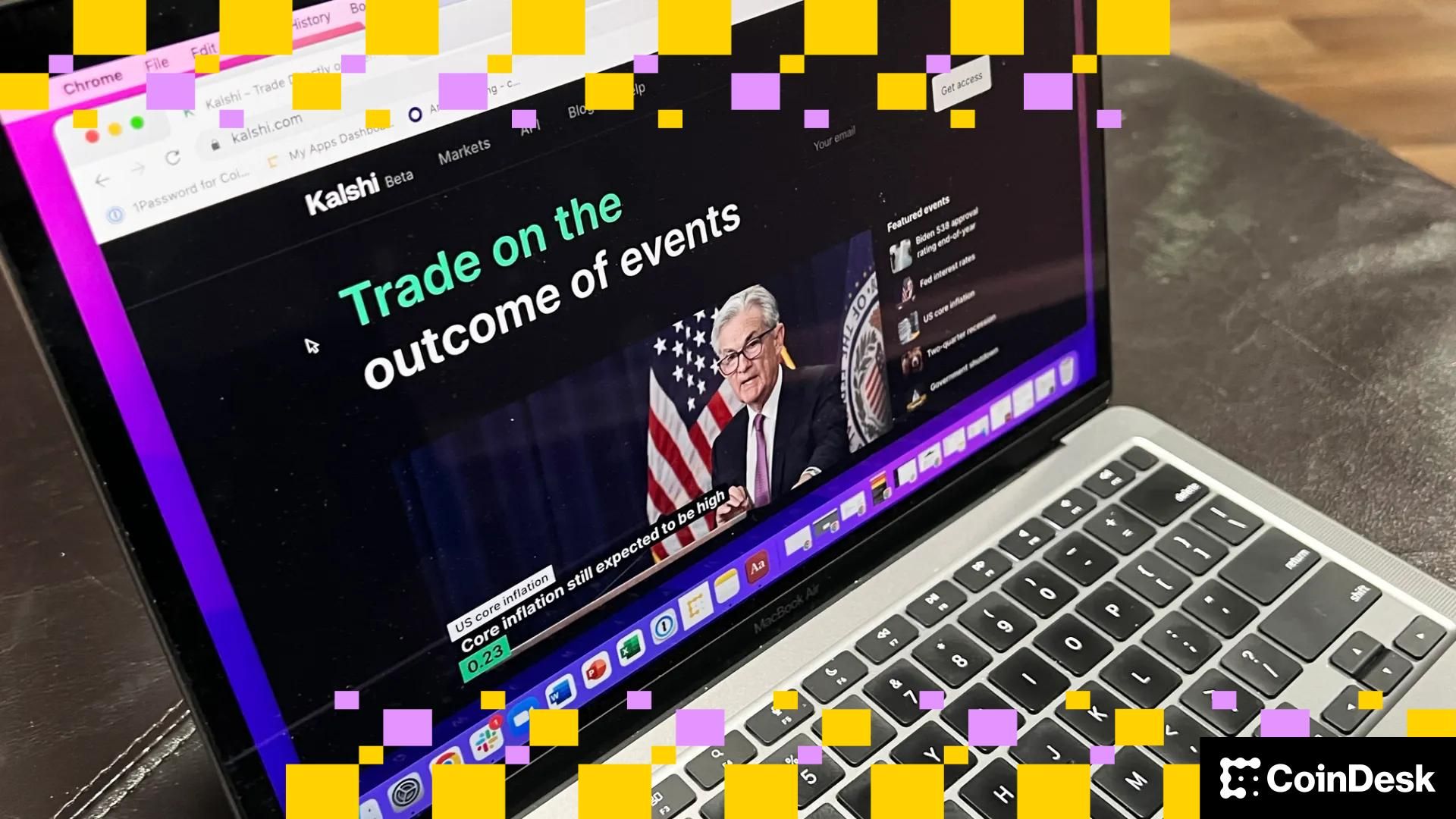
Kalshi Launches Tokenized Event Bets on Solana Blockchain: CNBC

Kalshi Launches Tokenized Event Bets on Solana Blockchain: CNBC

Finance Share Share this article

Copy linkX (Twitter)LinkedInFacebookEmail
Kalshi Launches Tokenized Event Be

Author: Coindesk
Prediction markets are coming to your brokerage

Prediction markets are coming to your brokerage

The post Prediction markets are coming to your brokerage appeared on BitcoinEthereumNews.com. If you open your brokerage this year and a “Markets” tab seems to be sprouting unfamiliar yes/no questions (“Will the Fed cut rates in March?”, “Will a major ETF get approved this quarter?”), you wouldn’t necessarily be hallucinating. The recent regulatory green-light for Polymarket via a cleared path under its newest acquisition of an exchange and its clearinghouse means those kinds of event-contracts might soon appear inside mainstream trading apps. Meanwhile, a court in Nevada has tightened the lines around what counts as “financial trading” vs. “gambling,” complicating the view on sports or athlete-based markets. Prediction markets plug into brokerage Polymarket’s comeback doesn’t arrive on the strength of hype or speculation alone. Earlier this year, the firm acquired QCX LLC and QC Clearing, entities already licensed under the Commodity Futures Trading Commission (CFTC). That maneuver laid a firm regulatory foundation for their bold expansion plans. In September 2025, the CFTC then issued a no-action letter that provided relief to QCX/QC Clearing under certain recordkeeping and reporting exemptions for event contracts. That relief effectively restored a legal avenue for Polymarket to serve US customers under the traditional exchange and clearing framework. Finally, in late November 2025, Polymarket received an “Amended Order of Designation,” formally permitting it to operate in the US as a regulated exchange. Under this order, brokerages and futures commission merchants (FCMs) can list and clear Polymarket contracts. That path is critical, as it launches Polymarket from a niche, quasi-black-market website into the orbit of mainstream finance, meaning familiar apps your friends use for stocks or ETFs could theoretically integrate these event-based bets. Brokers won’t need to build entirely new infrastructure to enable the well-loved and frequently-used prediction markets we know in crypto; they just tap into existing derivatives clearing and custody rails. It slots into what’s already there…

Author: BitcoinEthereumNews